The cinematic debut of "The Mandalorian," a live-action Star Wars series previously exclusive to television, has garnered attention not only for its narrative continuation but also for a striking shift in its portrayal of female characters. While the original Disney+ show was lauded for its diverse and robust female cast, the film adaptation, "The Mandalorian and Grogu," notably minimizes the presence of women with substantial speaking roles, leading to considerable discussion among viewers and critics alike. This cinematic transition, despite aiming to broaden the franchise's reach, paradoxically appears to have narrowed its gender inclusivity, prompting questions about the evolving landscape of representation within the beloved science fiction saga.
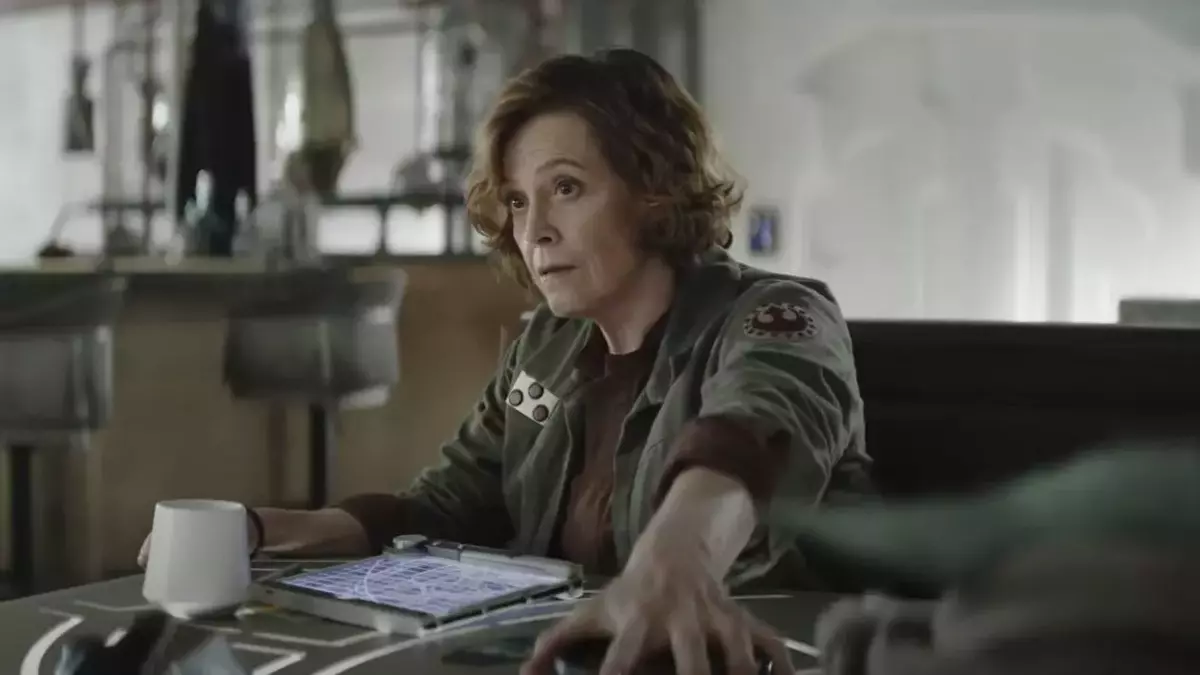
Since its inception, the Star Wars franchise has faced ongoing scrutiny regarding the inclusion and prominence of its female characters. While the Disney era has made strides in addressing this historical imbalance through projects like "Ahsoka," "The Acolyte," and "Andor," which feature complex female relationships and storylines, "The Mandalorian and Grogu" seemingly regresses in this aspect. Beyond the brief appearance of Sigourney Weaver's Colonel Ward and one of the Hutt Twins, the film offers a surprising scarcity of women actively contributing to the dialogue or plot, a stark contrast to the rich tapestry of female personalities in the antecedent television series.
The original "The Mandalorian" television series, under the creative guidance of Dave Filoni and Jon Favreau, was celebrated for introducing a multitude of new female faces into the Star Wars universe. Characters like Cara Dune, despite subsequent controversies surrounding the actress, provided a compelling backstory rooted in the Rebellion and Alderaan's tragic fate. The Armorer, a formidable Mandalorian warrior, played a crucial role in elucidating the tenets of the Mandalorian Creed, offering a fascinating counterpoint to the more jaded Bo-Katan Kryze, a character with roots in the animated "Clone Wars" series. These figures, alongside others such as Imperial intelligence officer Elia Kane, mechanic Peli Motto, and the enigmatic Duchess, showcased a diverse spectrum of female roles beyond the typical warrior archetype. Even the unnamed 'Frog Lady' became memorable for her distinctive design and the humorous interactions she had with Grogu.
The strength of these female characters in the television series lay in their individuality and the fact that none bore the sole burden of representing their gender. They formed a vibrant ensemble, each contributing uniquely to the narrative, regardless of whether they were central figures or background players across multiple seasons. This created a sense of a living, breathing galaxy where women occupied various stations and roles. In contrast, the cinematic rendition's limited female cast, particularly the character of Ward and the female Hutt Twin, appears to lack the depth and multifaceted portrayals seen in the series, reducing their impact and significance within the broader story.
Bringing a television series to the big screen inherently presents both opportunities and challenges. While a theatrical release can introduce "The Mandalorian" to new global audiences and allow for a grander scale of storytelling, it risks sacrificing the nuanced character development and expansive world-building that are often afforded by a longer-form television format. The television series thrived on its ability to weave in eccentric, minor characters, many of whom were women, adding layers of personality and charm to the Star Wars galaxy. The film, despite introducing new memorable characters like Rotta the Hutt, Zeb, and Embo, seemingly overlooked the importance of maintaining this diverse representation, inadvertently conveying a message that only male characters are essential for grand cinematic adventures. It's crucial for creators to remember that storytelling should resonate with all audiences, ensuring that young girls, just as much as young boys, see themselves reflected and celebrated on screen.