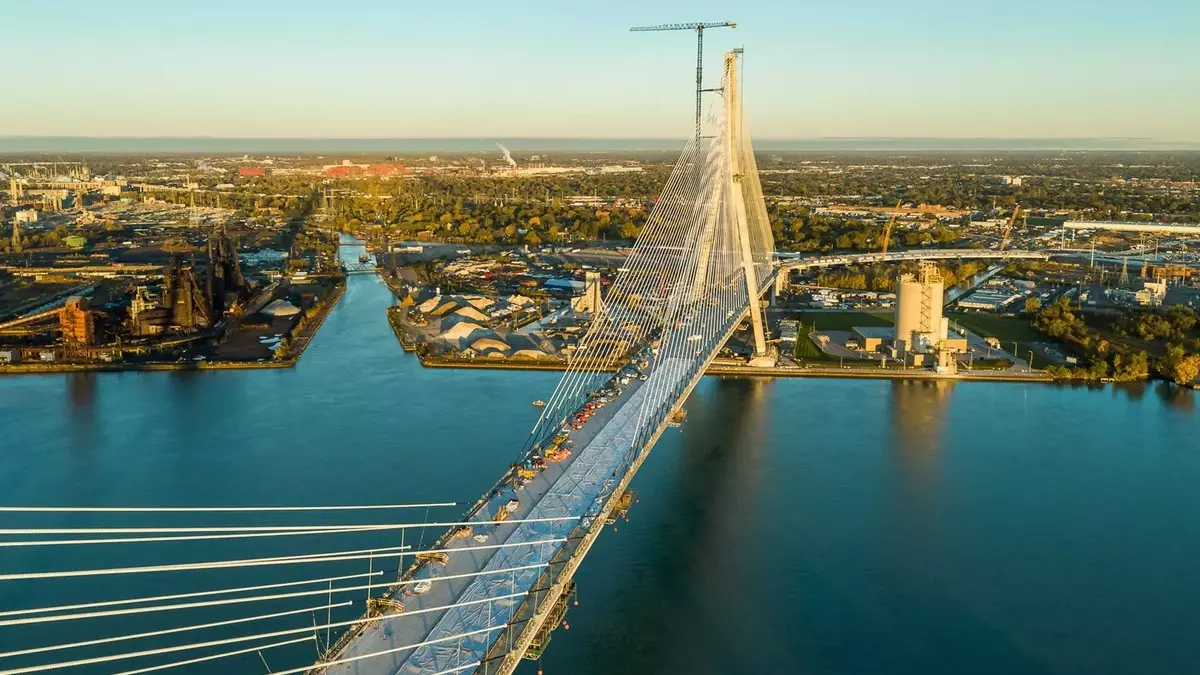
The North American automotive manufacturing sector is precariously dependent on an intricate, just-in-time supply network spanning both the United States and Canada. This reliance means that the uninterrupted flow of goods across the border, primarily through the aging Ambassador Bridge connecting Detroit and Windsor, is critical. Disturbances to this vital artery, such as the 2022 trucking blockade which cost the industry approximately $1 billion, can halt production lines swiftly, demonstrating the severe vulnerability of this century-old infrastructure. The construction of the new six-lane Gordie Howe International Bridge is therefore essential to modernize this corridor, providing a much-needed alternative and bolstering the resilience of the continent's automotive supply chain.
Despite the undeniable economic imperative for the new Gordie Howe Bridge, its completion and operation are fraught with geopolitical challenges. Former President Donald Trump's recent threats to delay the bridge's opening over disputes regarding toll revenues and ownership rights highlight the political entanglement. This stance has been met with resistance, with officials like Windsor Mayor Drew Dilkens advocating for a delay rather than accepting unfavorable trade terms. This infrastructure gridlock is exacerbated by broader protectionist policies, including billions of dollars in tariffs imposed on manufacturers and retaliatory import duties on American vehicles by Canada, further complicating cross-border commerce and driving up assembly costs for car factories.
Using such a vital, multi-billion-dollar trade route as a political bargaining chip is a dangerous game for the automotive sector, especially as it navigates significant market downturns. With experts forecasting a substantial drop in North American vehicle sales and European brands freezing their port inventories, the industry can ill afford additional disruptions. Hindering critical supply chains amidst declining demand and escalating production costs threatens the economic well-being of both nations. Therefore, leaders on both sides of the border must set aside political rhetoric, finalize the necessary permits, and ensure the swift operationalization of the Gordie Howe International Bridge to prevent further economic damage and foster a more stable and competitive continental automotive landscape.
The successful completion and efficient operation of the Gordie Howe International Bridge are crucial for the future of North American automotive manufacturing. It is a symbol of progress and interconnectedness, promising to alleviate bottlenecks and enhance the resilience of supply chains. By embracing collaboration and prioritizing economic stability over political disputes, both the United States and Canada can unlock the full potential of this vital infrastructure, safeguarding jobs, fostering innovation, and driving mutual prosperity in an increasingly complex global economy.