
Cypriot filmmaker Tonia Mishiali's latest cinematic endeavor, 'The Lion at My Back,' currently featured in the Crystal Globe competition at the esteemed Karlovy Vary Film Festival, powerfully addresses the intricate themes of immigration, patriarchal societal norms, and the indomitable spirit of women. Drawing from her personal history as a refugee and her dedication to social justice, Mishiali meticulously crafts a narrative that explores the profound connection between two women from vastly different backgrounds. The film highlights the enduring strength and positive outlook of those who navigate hardship, showcasing a unique perspective on resilience.
Filmmaker Tonia Mishiali's Visionary Work at Karlovy Vary Film Festival
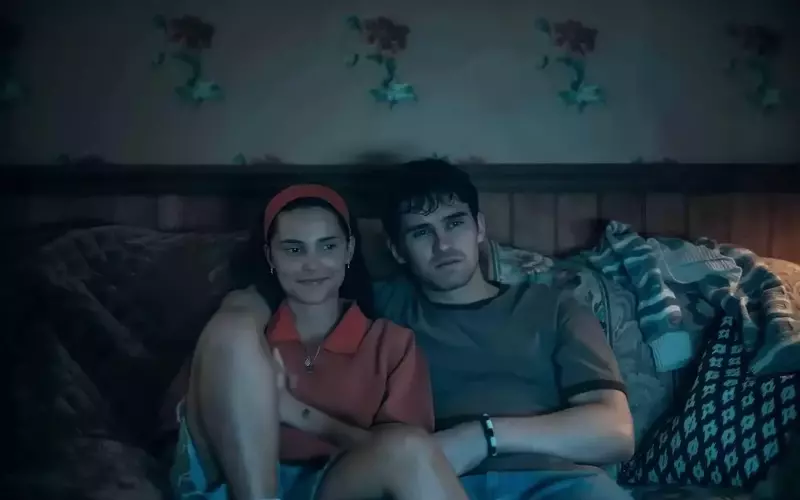
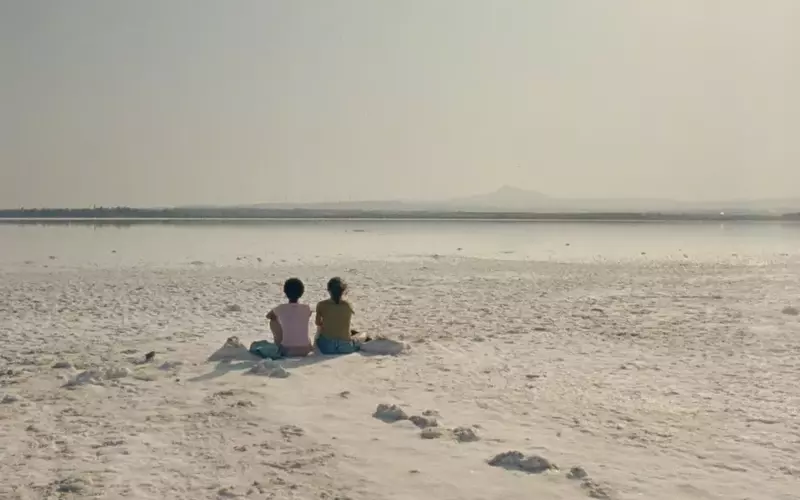
In a compelling showcase at the Karlovy Vary Film Festival on July 5, 2026, Cypriot director Tonia Mishiali presented her thought-provoking film, 'The Lion at My Back.' This feature explores the burgeoning relationship between Mariama, a Senegalese immigrant portrayed by Sokhna Diallo, and Stella, an employee at a Cypriot immigration facility, played by Elena Kallinikou. Mishiali, discussing her second feature, articulated her intention to build upon the narrative techniques established in her debut work, 'Pause.' She structured the film with parallel storylines, allowing the characters' relationship to develop organically through their intermittent encounters. The film delicately unveils the pasts of both characters, presenting a holistic portrayal of women who have faced and overcome societal challenges, including racism and patriarchal pressures, without resorting to overly critical depictions of male characters.
A significant aspect of 'The Lion at My Back' is its exploration of motherhood, as Stella battles to regain custody of her daughter, inadvertently forming a maternal bond with Mariama. Mishiali revealed that the inspiration for this theme stemmed from her own experiences as a mother to a teenage daughter, reflecting on the intricate dynamics inherent in mother-daughter relationships. Furthermore, her personal history as a child refugee during the 1974 Turkish invasion of Cyprus profoundly influenced the film's refugee narrative. Despite the trauma of displacement, Mishiali was deeply moved by the unwavering optimism and resilience she observed in African asylum seekers in Cyprus. This striking contrast between her family's lingering bitterness and the refugees' positive outlook inspired her to intertwine the stories of Mariama and Stella, demonstrating how various forms of adversity can be met with profound strength and gratitude. Mishiali's unwavering commitment to spotlighting the stories of marginalized women, challenging societal disrespect, and addressing patriarchal structures remains a driving force in her filmmaking, further solidified by her admiration for Chantal Akerman's seminal feminist work, 'Jeanne Dielman, 23 quai du Commerce, 1080 Bruxelles.' The film is a collaborative production involving Bark Like a Cat Films (Cyprus), Iris Prods. (Luxembourg), and Avalon Films (Greece), with Yellow Affair managing international distribution.
Mishiali's film offers a timely and poignant reflection on the human spirit's capacity to endure and thrive amidst adversity. Her deliberate choice to center stories of women, particularly those navigating the complexities of immigration and societal expectations, resonates deeply in today's global landscape. The film encourages viewers to reconsider preconceived notions about refugees and to appreciate the profound resilience that can emerge from challenging circumstances. It's a powerful reminder that empathy and understanding can bridge divides, fostering connections that transcend cultural and personal struggles. Ultimately, 'The Lion at My Back' serves as a testament to the strength found in human bonds and the enduring power of hope, urging us to look beyond labels and recognize the shared humanity in us all.