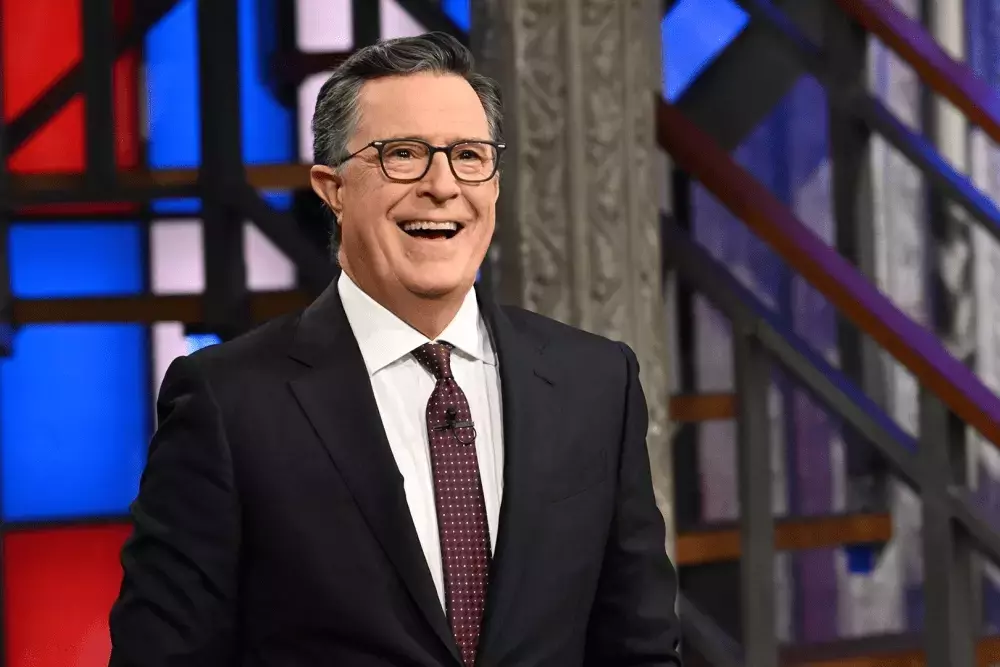
Stephen Colbert's impactful eleven-season run as the host of CBS's "The Late Show" is drawing to a close, marking the end of an era that saw him navigate some of the most tumultuous cultural and political landscapes in recent history. Having transitioned from a sharp satirical character to a more authentic self, Colbert redefined the late-night format by combining humor with insightful commentary and profound human connection. His ability to engage deeply with guests and address critical national and global events, including presidential elections, the January 6 Capitol riot, and the COVID-19 pandemic, has cemented his legacy as a significant voice in American media, helping audiences process complex realities through both laughter and earnest reflection. As his final show approaches, these defining moments illustrate the breadth of his influence and his unique contribution to the late-night talk show tradition.
Throughout his tenure, Colbert demonstrated a remarkable versatility, shifting between comedic segments and serious discussions with an impressive ease. He cultivated an environment where genuine emotion and thoughtful dialogue could coexist with sharp wit and political satire. Whether it was through empathetic interviews that touched on personal tragedy, spontaneous live broadcasts during pivotal political events, or adapting his show to a new, isolated format during the pandemic, Colbert consistently rose to the occasion. His commitment to addressing societal challenges, often with his signature blend of gravitas and humor, has left an indelible mark on his audience, showcasing a rare talent for both entertainment and meaningful discourse during a period of profound change.
The Evolution of Colbert's Interview Style and Political Engagement
From his debut, Stephen Colbert swiftly distinguished himself from his previous persona by embracing a more nuanced and empathetic interviewing approach. Early in his tenure, specifically with then-Vice President Joe Biden, Colbert demonstrated a remarkable ability to foster deep, personal conversations. This interview, occurring shortly after the tragic loss of Biden's son, revealed Colbert's own vulnerability as he shared his past experiences with grief, setting a precedent for the show's capacity to delve into serious subject matter. This candid exchange not only showcased Colbert's evolving skill as an interviewer but also signaled to viewers that "The Late Show" would not shy away from profound, human moments amidst its comedic offerings. Such instances highlighted his dedication to genuine connection and his growing comfort in navigating emotionally charged topics, distinguishing his show from traditional late-night formats.
Colbert's willingness to engage with political and social issues extended beyond personal narratives, as evidenced by his interview with civil rights icon John Lewis. In 2016, following the devastating Pulse nightclub shooting, Lewis's appearance on the show underscored the need for social action. Lewis passionately urged audiences to embrace "good trouble" through nonviolent protest, culminating in a memorable moment where he crowd-surfed, symbolizing a leap of faith and community engagement. Furthermore, Colbert's live election night specials, particularly during the 2016 and 2024 presidential campaigns, showcased his improvisational talents and his knack for addressing real-time political developments. The palpable tension and raw emotion from the 2016 election night special, described as the "late-night equivalent of a wake," captured the nation's collective shock and uncertainty, illustrating Colbert's pivotal role in helping Americans process complex political outcomes during a turbulent period in history.
Adapting to Crisis and Personal Connections
The global COVID-19 pandemic presented an unprecedented challenge for late-night television, forcing hosts to innovate and adapt their formats rapidly. Stephen Colbert's response to this crisis, particularly his 15-month period performing without a live studio audience, stands out as a testament to his resilience and creativity. Initially broadcasting from his South Carolina home, and later from his office at the Ed Sullivan Theater, Colbert maintained a continuous dialogue with his audience, offering a sense of normalcy and connection during widespread uncertainty. This period also saw some of his most potent and emotionally charged broadcasts, notably an episode following the January 6, 2021, Capitol riot, where his raw anger and impassioned commentary resonated deeply with viewers, showcasing his ability to lead public discourse during moments of national turmoil.
Beyond political and societal commentary, Colbert's personal life became an endearing feature of "The Late Show" through the recurring appearances of his wife, Evie McGee Colbert. Their "First Drafts" segment, a playful riff on rejected greeting card concepts, brought a heartwarming and authentic dimension to the show, highlighting their enduring partnership and mutual affection. Evie's visible joy on camera, complemented by Stephen's evident love and appreciation for her, humanized the often-serious host. Colbert himself has credited his wife's support as crucial during the challenging pandemic period, underscoring the deep personal connection that enriched his broadcasts. Even in the show's final moments, a segment with predecessor David Letterman, which involved humorously dismantling CBS furniture, provided a cathartic and symbolic farewell, reinforcing the playful yet meaningful legacy Colbert leaves behind as "The Late Show" concludes its chapter under his leadership.