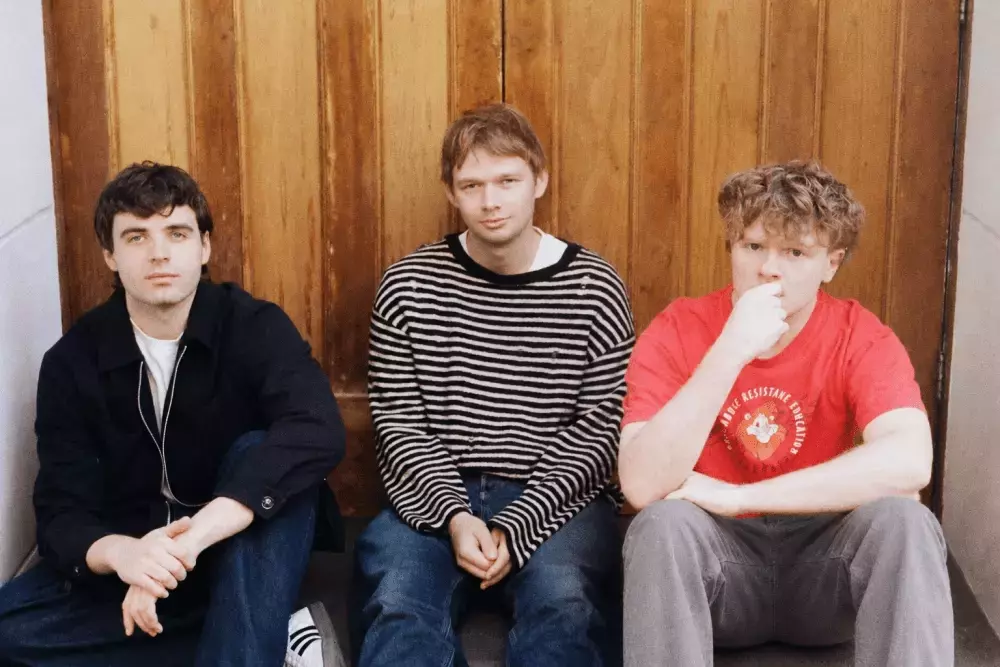
Rover, a groundbreaking streaming service, is set to transform the world of independent filmmaking by providing an unprecedented level of access to the creative process behind short films. This innovative platform, established by Alec Green and co-founders Jack Zimmerman and Will Gibb, aims to democratize moviemaking by offering a carefully curated selection of short films, accompanied by in-depth resources such as screenplays, technical details, and exclusive director commentaries. By doing so, Rover seeks to bridge the knowledge gap for aspiring filmmakers and provide a sustainable outlet for short-form cinematic art, ensuring that valuable works no longer fade into obscurity after their initial festival runs.
The concept for Rover originated from founder Alec Green's personal experience as an aspiring filmmaker. Despite the common wisdom that short films are a crucial stepping stone in the industry, Green observed a significant lack of accessibility to these works. Many acclaimed short films, after premiering at prestigious festivals like Sundance or Cannes, would quickly disappear from public view, making it challenging for students and emerging artists to study and learn from them. This barrier to access prompted Green, a graduate of the Australian Film Television and Radio School, to envision a platform that not only showcases short films but also demystifies their creation. Launched in November 2025, Rover addresses this need by providing a comprehensive learning environment for its users.
Rover's unique value proposition lies in its holistic approach to content. Each short film in its catalog is complemented by a suite of educational materials. This includes the film's complete screenplay, a detailed breakdown of the equipment and cameras utilized during production, and, most notably, extended, podcast-style interviews with the directors. These in-depth discussions cover various aspects of the filmmaking journey, from development and festival strategies to practical challenges like directing non-actors or working with children. As Green emphasizes, it's akin to having a direct conversation with the filmmaker, offering invaluable insights that traditional streaming platforms do not provide. The platform's highly curated collection currently features 55 films, including works featuring prominent actors like Emma D'Arcy and Lux Pascal, and executive produced by industry luminaries such as Luca Guadagnino, Patty Jenkins, Matt Damon, and Ben Affleck.
The founders, all aspiring filmmakers themselves, built Rover with the intention of creating a resource they genuinely wished they had access to. Their objective extends beyond mere viewership; they aim to provide filmmakers with a “meaningful release” for their work. Unlike platforms where short films might get lost in a sea of content or receive minimal engagement, Rover's focused environment ensures that each film is “engaged with and respected.” The company acquires films through licensing fees, offering fair compensation to creators, particularly for works not yet available online. This approach not only supports filmmakers financially but also helps to establish short films as a more viable and less debt-inducing endeavor. Rover's commitment to slow, deliberate curation, rather than simply amassing a large library, ensures that every piece of content offers substantial educational value, preventing users from being overwhelmed by an excessive number of choices.
Despite the film industry's reputation for being exclusive and reliant on insider connections, the Rover team has found that directors are largely enthusiastic about sharing their knowledge. This willingness underscores a collective desire within the filmmaking community to nurture the next generation of talent. Green notes that this openness is particularly impactful given that such insights are often inaccessible without significant financial investment in film education. With subscription prices starting at an affordable $4.99 a month, Rover endeavors to democratize film education, making it accessible to a broader audience of emerging filmmakers who may not follow traditional career paths. The platform's founders believe that by opening up the creative process, Rover is actively contributing to the evolution of the industry, making it more inclusive and transparent for all.