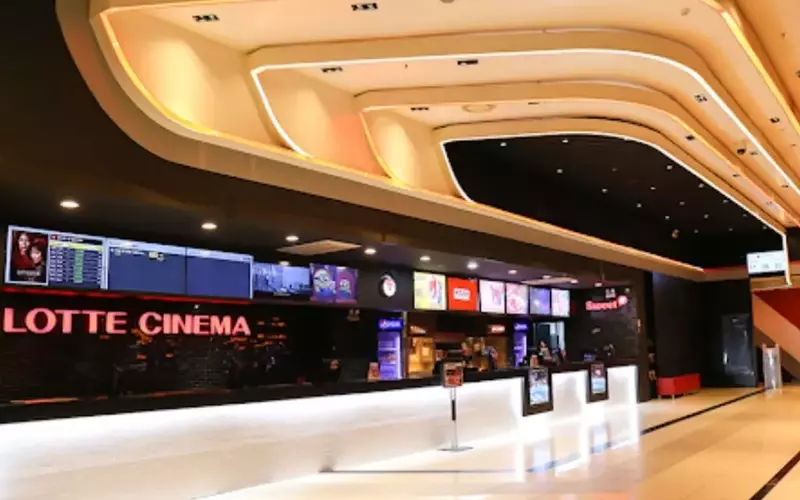

The long-anticipated consolidation between two major players in South Korea's cinematic exhibition landscape, Lotte Cinema and Megabox, has been called off. After more than a year of intricate discussions, the proposed merger, which aimed to establish the nation's dominant theater chain, ultimately unraveled. The primary cause for this cessation of talks is attributed to the escalating financial distress within JoongAng Group, the corporate entity overseeing Megabox.
On Wednesday, a joint statement from Lotte Shopping and Contentree JoongAng confirmed the expiration of their Memorandum of Understanding. This agreement, initially forged in May 2025 to facilitate the union of Lotte Cultureworks and Megabox JoongAng, had undergone three extensions as both parties strived to finalize the terms. The final deadline of June 30 passed without a resolution, bringing an end to the ambitious venture.
Had the merger proceeded, the newly formed entity would have commanded nearly half of South Korea's screen share, surpassing the long-standing market leader, CJ CGV. Instead, the country's film exhibition sector will maintain its current three-way rivalry among CGV, Lotte Cinema, and Megabox. This outcome reflects the inherent complexities and financial hurdles that proved insurmountable.
The Korean film industry experienced a downturn in 2025, with theatrical revenue declining by 12.4% to KRW1.047 trillion ($673.1 million) and admissions dropping by 13.8% to 106.09 million, marking the second consecutive annual decrease. However, data from KOBIS ticketing indicates a significant recovery in the first half of 2026, with box office revenue reaching an estimated KRW539.7 billion ($347 million) from 53.19 million admissions, a notable increase from the KRW407.9 billion ($262.3 million) and 42.5 million admissions recorded during the same period in the previous year.
A critical point of contention in the negotiations revolved around the financing structure for the prospective combined company, including aspects such as credit enhancement and collateral. Megabox's business model, heavily reliant on leased theater properties, left it with limited assets to offer as collateral to potential investors. Concurrently, its parent company, Contentree JoongAng, and its holding counterpart, JoongAng Holdings, were unable to provide the necessary credit guarantees demanded by external investors due to their own severe liquidity issues. The merger required approximately KRW400 billion ($257.2 million) in external funding, which could not be secured under these circumstances.
The situation escalated on June 14, when Contentree JoongAng and Megabox JoongAng initiated court-supervised rehabilitation proceedings. This action necessitated a comprehensive reevaluation of Megabox's assets, rendering the initial proposal for an equal partnership in the merger unsustainable. The rehabilitation filing was a direct consequence of a broader financial crisis that engulfed JoongAng Group following broadcaster JTBC's default on KRW20.6 billion ($13.2 million) in securitized borrowings on June 12. This led to a significant downgrade in JTBC's credit rating by NICE Investors Service and Korea Ratings. Subsequently, JoongAng Holdings, JoongAng P&I, and JTBC itself also filed for court protection. The group's vice chair, Hong Jeong-do, publicly apologized, citing a prolonged capital market contraction exacerbating the company's existing financial burdens.
The roots of this crisis can be traced to JTBC's substantial and ultimately unsuccessful investment in broadcasting rights for major sporting events, including the 2026-2032 Olympic Games and the 2026-2030 FIFA World Cup. This costly gamble, coupled with a struggling advertising market, placed immense pressure on the network's finances. Although JTBC managed to resell a portion of its World Cup rights to KBS for KRW14 billion ($9 million), it failed to secure similar agreements with other broadcasters.
On June 30, the Seoul Bankruptcy Court granted JTBC a one-month deferral until July 30 to negotiate with its creditors. For the other affected affiliates, formal rehabilitation proceedings commenced, with existing management retained as court-appointed administrators. Final rehabilitation plans for Megabox JoongAng, Contentree JoongAng, JoongAng P&I, and JoongAng Holdings are scheduled for submission between December 1 and December 22.
Amidst this turmoil, JoongAng Ilbo, the group's flagship newspaper, is pursuing a separate creditor-led restructuring plan, highlighting its financial independence and 13 consecutive years of operating profit. Content production arm SLL JoongAng has also avoided rehabilitation and recently repaid a KRW5 billion ($3.2 million) short-term bond, sparking speculation that JoongAng Group might consider divesting this unit as part of its wider reorganization efforts.
With the merger definitively off the table, Lotte Cultureworks is now focusing on its individual growth trajectory. The company reported a consolidated revenue of KRW124.6 billion ($80.1 million) and an operating profit of KRW7.9 billion ($5.1 million) in the first quarter, making it the only major multiplex operator in Korea to achieve profitability in its domestic operations this year. Lotte Cinema's future strategy includes enhancing recliner seating, upgrading projection technology, developing specialized sound auditoriums, and expanding its own intellectual property content business.
Meanwhile, Megabox is prioritizing cost efficiency and financial stability as it navigates the rehabilitation process. There remains a possibility that Lotte could still acquire Megabox at a later stage through a pre-approval M&A process. This approach would allow a buyer to take over Megabox's valuable assets while mitigating much of its debt under court supervision. However, such a move would likely face intense antitrust scrutiny from Korea's Fair Trade Commission, given that a combined entity would command an audience share of approximately 55%.