
In the mid-1980s, Costco initiated a remarkably successful strategy by offering an affordable hot dog and drink combo, which quickly became a defining symbol of its commitment to customer value. This tradition has been fiercely protected by its founders and subsequent leaders, who prioritized this symbolic offering over direct profitability, generating immense customer loyalty and billions in annual revenue. This unwavering stance highlights a business model that understands the power of perceived value and brand identity beyond immediate financial returns.
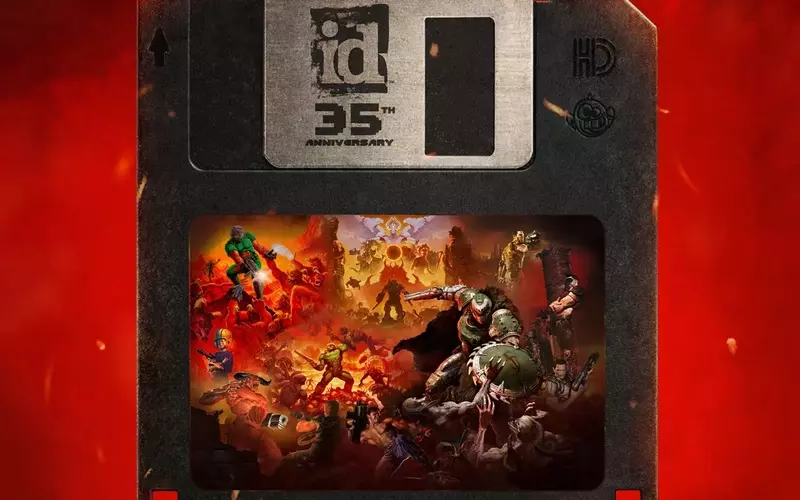
Conversely, id Software, a pioneer in the video game industry, revolutionized first-person shooters with titles like Doom and Quake, profoundly influencing game development and culture. Their innovative id Tech engine became a cornerstone for numerous games and fostered countless careers through its open-source releases. However, recent actions by Microsoft, the current owner of id Software through Bethesda, including significant layoffs, suggest a disconnect from this rich legacy. Despite id Software's enduring impact and the recent success of new titles that proudly carry on its tradition, Microsoft's focus appears to be on financial restructuring rather than nurturing this invaluable creative asset.
The contrasting approaches of Costco and Microsoft illuminate a critical debate: how should a company value its heritage and cultural impact? While Costco steadfastly maintains symbols of its customer commitment, Microsoft's treatment of id Software raises questions about its appreciation for a legacy that has shaped an entire industry. The intrinsic value of id Software's contributions extends far beyond mere financial metrics, encompassing a vibrant community of modders, developers, and players whose experiences are deeply tied to the studio's innovations. Recognizing and cultivating such a profound legacy is not just about preserving history, but about understanding its ongoing power to inspire and drive future success, demonstrating that true stewardship involves honoring both commercial viability and cultural significance.
Ultimately, the decisions made by corporate giants regarding their acquired creative entities reflect a broader philosophy about business and culture. A company that prioritizes short-term financial optimization over the profound, long-term impact of its assets risks alienating its community and diminishing the very essence that makes those assets valuable. True leadership involves a holistic vision that cherishes innovation, acknowledges cultural resonance, and fosters an environment where creative legacies can continue to thrive, enriching both the company and the world it serves.