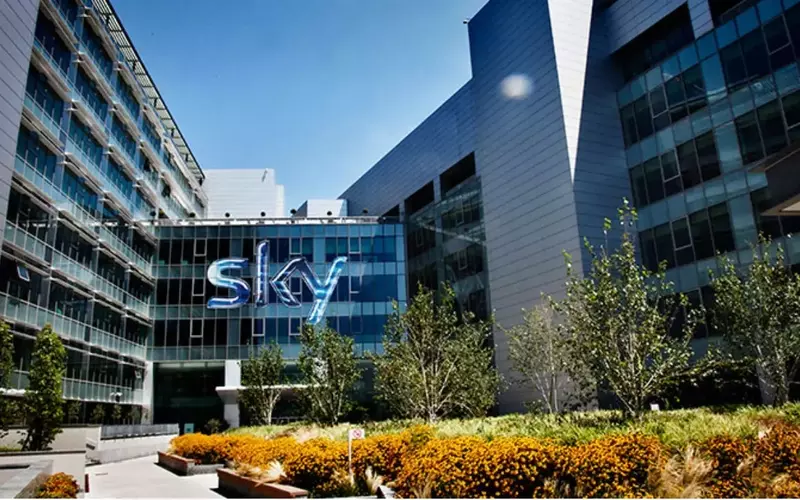

The proposed £1.6 billion acquisition of ITV's broadcast and streaming divisions by Comcast-owned Sky signals a significant transformation in the British media landscape. This strategic maneuver aims to forge a formidable national broadcasting and streaming powerhouse, combining Sky's expansive pay-TV and internet services with ITV's mass-reach free-to-air network and its burgeoning ITVX platform. The leadership from Sky, notably CEO Dana Strong, has emphasized the compelling rationale behind this consolidation, highlighting the potential to create a scaled operator in the UK by integrating ITV's 40 million monthly viewers and 16 million active ITVX users with NBC's global streaming infrastructure, Peacock. This merger is poised to redefine competition, audience engagement, and advertising dynamics within the UK, though it also brings forth complex questions regarding regulatory oversight, potential market dominance, and the safeguarding of public service broadcasting values.
Furthermore, the deal's implications extend to the structural future of ITV Studios, which is slated to become an independent entity. This separation underscores a broader industry trend towards specialization and scale, as production arms increasingly seek to operate distinct from their broadcasting counterparts. The market is closely observing how this new landscape will balance commercial objectives with public interest, particularly concerning news plurality and local content provision. The discussions around this acquisition reveal a keen awareness of the evolving media consumption habits and advertising trends, as traditional broadcasters adapt to a digital-first environment dominated by global tech giants. The outcome of this merger will not only reshape the operations of Sky and ITV but also set precedents for future consolidations in the global media sector.
Strategic Alignment and Market Dominance
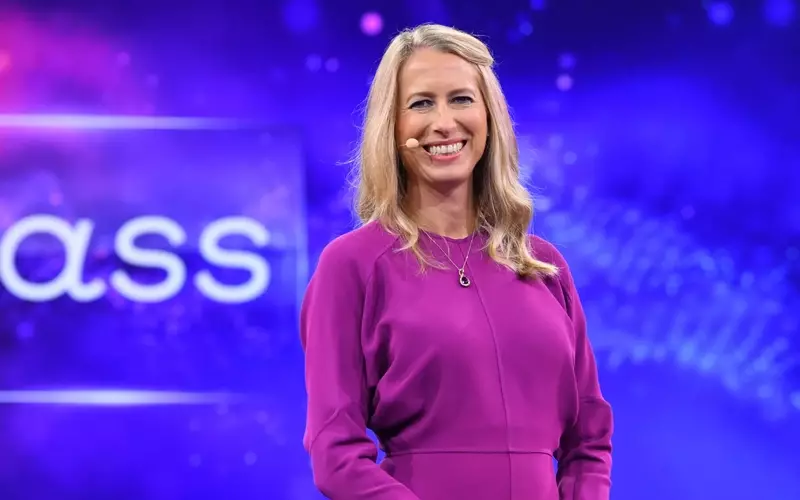
Sky's Chief Executive Officer, Dana Strong, recently addressed the media regarding the transformative £1.6 billion acquisition of ITV's broadcasting and streaming assets by Comcast, Sky's parent company. This pivotal move is designed to establish a leading national streaming and television entity in the United Kingdom. Strong highlighted the strategic brilliance of uniting two iconic, yet complementary, British media brands. The merger aims to significantly bolster their combined reach and operational efficiency by leveraging NBC's global Peacock streaming platform, integrating ITV's extensive monthly viewership of 40 million, and harnessing the 16 million active users of ITVX. This integration is expected to create a formidable presence in the UK's competitive media market, enabling them to better contend with the pervasive influence of global digital platforms and redefine the landscape of British broadcasting.
The integration of Sky and ITV's networks is anticipated to create a media conglomerate with substantial market power, particularly in advertising and content distribution. This alignment is presented as a logical response to the evolving media consumption habits, where audiences and advertising revenues are increasingly shifting towards large global tech companies. The combined entity is poised to command a significant share of the UK's television and streaming viewership, directly challenging the dominance of platforms like YouTube and Netflix. Regulatory bodies, such as the Competition and Markets Authority, are expected to meticulously scrutinize the deal to ensure fair competition, especially given the potential impact on the UK's advertising market. Strong, however, emphasized that their combined share of the UK advertising market would still be a minority, suggesting that the merger primarily addresses the need for scale to compete effectively against international digital giants rather than to monopolize the domestic market.
Navigating Regulatory and Cultural Considerations
The acquisition has sparked considerable debate regarding regulatory approval, the future of public service broadcasting, and the strategic independence of ITV Studios. Strong, joined by other Sky executives, outlined that the approval process is projected to take approximately one year, with a strong focus on addressing concerns related to news plurality and local content provision. Despite the commercial imperatives, there's a clear commitment to preserving the distinct editorial voices of Sky News and ITV News, with plans to enhance ITV's regional news offerings through digital platforms. This commitment is crucial for allaying fears about the American ownership of a significant British public service broadcaster and maintaining the cultural integrity of UK programming. The company aims to underscore Comcast's positive track record as Sky's owner, citing continued investment in local productions and the sustained journalistic excellence of Sky News.
Beyond regulatory hurdles, the deal also highlights the strategic spin-off of ITV Studios as an independent production company. This move is indicative of a broader trend within the media industry to unbundle content creation from distribution channels, allowing specialized production houses to thrive in a global marketplace increasingly characterized by mergers and acquisitions among content providers. While this creates a potent, standalone content creation entity, it also raises speculation about future consolidation, with ITV Studios potentially becoming an attractive target for other global production powerhouses. Strong also clarified that there are no intentions to place ITV's popular free-to-air content behind a paywall, reaffirming the commitment to broad accessibility and the value of advertising-supported models for these programs. This assures viewers and advertisers that the core offerings will remain widely available, fostering continued engagement and supporting the advertising ecosystem.