
Unveiling Europe's Animation Frontier: Catalonia's Creative Explosion
The Dynamic Growth of Catalan Animation
Once an emerging prospect, Catalan animation has achieved remarkable consolidation. In 2025 alone, six animated feature films from Catalonia are scheduled for cinematic release, a stark contrast to just one in 2017. This surge follows the 2023 Oscar nomination for "Robot Dreams," produced by Barcelona's Arcadia Motion Pictures, and is further underscored by 11 Catalan titles selected for the prestigious Annecy International Animation Film Festival and MIFA market, including the Contrechamp contender "Winnipeg, Seeds of Hope."
Leveraging Intellectual Property for Global Reach
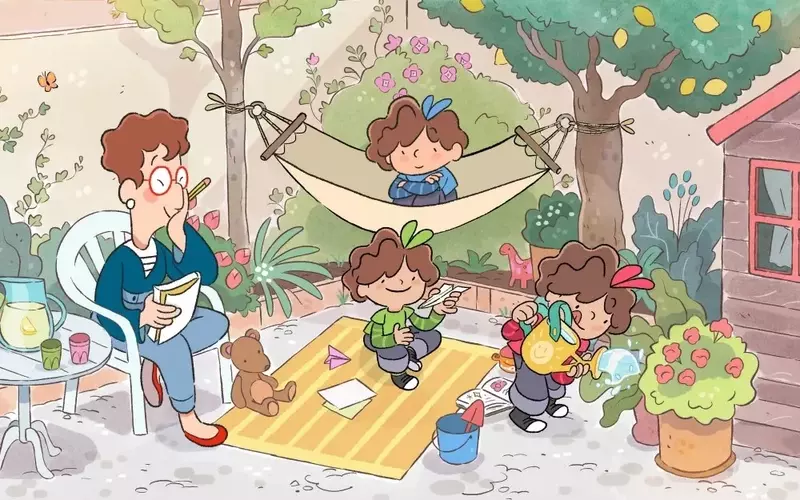
A key strategy behind Catalonia's animation boom is the strategic development and revitalization of intellectual property (IP). A prime example is the modernized reboot of the highly successful 1990s TV series, "The Triplets," set to launch on Catalan state TV network 3Cat in December 2026. This initiative by Barcelona's Peekaboo Animation and B Animation aims to refresh the beloved characters for a new generation while retaining the original's charm, emphasizing themes of girls' empowerment, diversity, and inclusion. Such strong IP is crucial in an evolving market where broadcasters and streamers prioritize content with proven appeal and commercial viability.
Diverse Creative Offerings at Annecy
Catalonia's presence at Annecy showcases a wide array of original animated productions. The selection spans various genres and artistic styles, from the art-house 2D historical drama "Winnipeg, Seeds of Hope" to the comedic, family-oriented high-school mystery "Monster Mia." Other notable projects include "The Factory Beyond the Hill," a thought-provoking feature film pitch exploring rampant capitalism, and several short films such as the psychological portrait "Because Today Is Saturday" and the post-apocalyptic horror-thriller "Hunger." This diversity demonstrates the region's commitment to both commercial success and artistic innovation, with creators utilizing a blend of traditional and cutting-edge animation techniques.
The Power of Established Franchises and Toy-Based Creations
Beyond original IP, Catalonia's animation sector is also capitalizing on successful franchises and toy lines. The upcoming "Tad and the Magic Lamp," the fourth installment in the "Tad the Lost Explorer" series, is poised to be a major box office success, building on the franchise's $118 million worldwide gross. Similarly, "Superthings Rivals of Kaboom: Kazoom Power" is a feature film inspired by the popular toy franchise from Catalonia's Magic Box Toys. This strategy underscores the industry's understanding of market demands, where high-quality productions linked to established brands offer a more direct path to international returns.
Driving Factors: Talent, Infrastructure, and Innovation
The growth of Catalonia's animation sector extends beyond IP. Between 2018 and 2023, the number of animation companies in Catalonia increased by 27%, reaching 717. This expansion is supported by an influx of new talent, nurtured by excellent art, animation, and VFX schools. The region benefits from a thriving creative community of graphic artists, writers, and storytellers, further bolstered by Barcelona's emergence as a hub for the Spanish video game industry. Francisco Vargas, head of the audiovisual area at ICEC film fund, emphasizes that this growth is a confluence of robust governmental support, abundant talent, and a strong industrial base.
Crucial Role of Public Funding and Strategic Co-Productions
Consistent public investment has been instrumental in the rise of Catalan animation. The Catalan government's ICEC film fund significantly increased its allocation to the audiovisual sector, with animation funding rising from €1.45 million in 2017 to over €5 million last year. This funding acknowledges the unique demands of animation, including longer production timelines and multi-territory financing. Furthermore, international co-productions are a cornerstone of Catalan animation. All Catalan films screening at Annecy are co-productions, demonstrating a global outlook. This collaborative approach, combined with specific animation funding lines and minority production funds, has made Catalonia a leading exporter of animation, with 70% of its animation revenues coming from international markets by 2023.
The Advantage of Tax Incentives and Artistic Freedom
Tax credits ranging from 25% to 30% for projects with significant spending in Spain further enhance Catalonia's appeal. These fiscal incentives, along with similar facilities in co-producing countries, have become crucial alternatives to traditional TV financing. This environment allows for the production of animated films by auteurs with greater artistic freedom, often with budgets between €2 million and €4 million. Projects like "Pink Punk Delta," a Catalonia-Slovakia-Chile-Colombia co-production, exemplify this trend, blending 2D aesthetics with advanced techniques like shaders, motion capture, and 3D character modeling in Blender.
The YouTube Influence and Future Prospects
While the decline in traditional TV series sales is noted due to the rise of platforms like YouTube, the digital giant also serves as a source of inspiration and talent discovery. The success of shorts like Bruno Simões' "Pip," which garnered over 540 million views on YouTube and led to a film adaptation, highlights the potential of online content to attract buyers and foster new creative ventures. Looking ahead, Catalonia's animation sector aims to further scale internationally competitive projects, positioning itself alongside established animation hubs such as Belgium, Ireland, and the Canary Islands. The region's commitment to innovation, international collaboration, and a highly skilled workforce solidifies its promising future in the global animation industry.