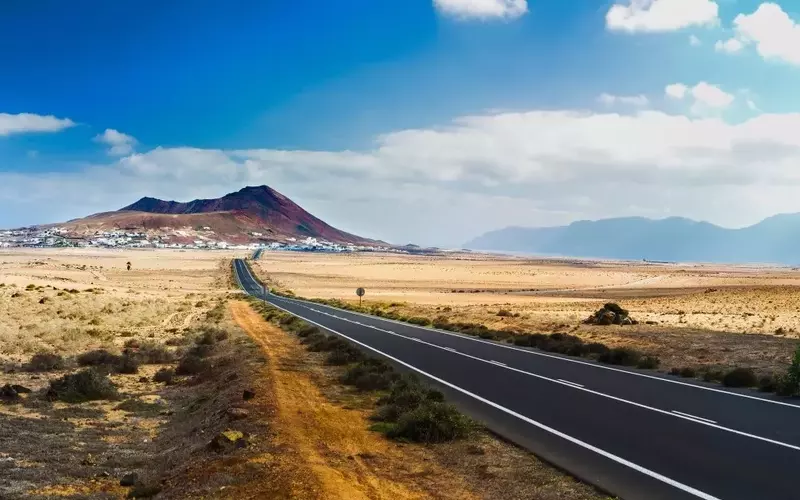

The Canary Islands are rapidly becoming a prominent center for documentary production, leveraging their distinctive history, rich natural environment, and a thriving creative industry. Bolstered by generous tax incentives and an expanding infrastructure, the archipelago is transforming into an irresistible magnet for filmmakers globally. This strategic evolution, moving beyond its traditional tourism-focused economy, positions the islands as an untapped reservoir of compelling narratives waiting to be brought to the screen. The burgeoning local talent pool and a proactive government approach to supporting the creative sector are key drivers in this promising development.
This growth is not just about attracting external projects; it's fostering a vibrant local ecosystem capable of initiating and delivering high-quality documentaries. The islands offer a diverse palette of genres, from historical insights into the Atlantic to poignant nature stories and even complex true-crime investigations. This diverse range of topics, combined with the financial benefits and the commitment to nurturing local expertise, creates a fertile ground for both established and emerging documentary filmmakers. The aspiration is to match these unique local stories with global distribution channels, ensuring the islands' distinctive voice resonates worldwide.
The Ascent of Documentary Filmmaking in the Canary Islands
The Canary Islands are quickly gaining recognition as an ideal destination for documentary production, driven by a combination of unique stories, robust financial incentives, and a rapidly evolving industry. Historically, the islands have been known for tourism, but a strategic shift over the past 17 years has focused on diversifying the economy through screen production. This initiative is now seeing significant success in the documentary sector, where local and international filmmakers are discovering a wealth of untapped narratives. The region's commitment to fostering this growth is evident in its attractive rebate schemes and a burgeoning ecosystem of skilled professionals, making it an increasingly appealing hub for non-fiction storytelling.
The growth of the Canary Islands' documentary sector is a testament to its strategic investment and natural advantages. Offering a substantial 45-54% tax rebate and a low 4% corporate income tax, the islands provide a significant financial draw for productions. This economic stimulus, combined with the islands' diverse landscapes and historical depth, makes them a fertile ground for a wide array of documentary genres. Local production companies like Videre and Las Hormigas Negras are at the forefront, developing projects that range from historical explorations of the Atlantic's past to pressing contemporary issues like natural disasters and true-crime stories. These productions are not only finding success in local markets but are also securing international distribution deals with major platforms such as HBO, Amazon Prime Video, ESPN, and Disney+, demonstrating the global appeal and quality of content originating from the Canary Islands.
A Goldmine of Untold Stories and Developing Infrastructure
The Canary Islands possess an extraordinary collection of untapped stories, ranging from profound historical accounts to significant scientific breakthroughs and compelling social narratives, making them an unparalleled resource for documentary filmmakers. The president of the Canary Islands Special Zone (ZEC), Pablo Hernández, aptly describes the region as a "goldmine of stories." These narratives, deeply embedded in the islands' unique heritage and strategic location, offer a fresh perspective on Atlantic history, scientific exploration, and human experiences. This rich content, combined with the islands' strategic efforts to bolster their production capabilities, creates an environment ripe for cinematic exploration, attracting filmmakers eager to uncover and share these narratives with a global audience.
Beyond the compelling stories, the Canary Islands are diligently building a robust industrial infrastructure to support the burgeoning documentary sector. This includes a growing pool of local talent proficient in cinematography, archival research, sound design, and post-production, increasingly meeting international standards. Noteworthy initiatives, such as the partnership between Buendía Estudios and local vocational schools, are actively mentoring students through full productions, enriching the talent pipeline. While challenges like the perception of the islands as merely a filming location rather than a creative hub persist, ongoing efforts to enhance professional training and accessibility of fiscal incentives are steadily transforming this view. The consistent backing from local authorities and the proven growth in other screen production sectors indicate that the documentary industry in the Canary Islands is on a clear path to becoming a significant global player, turning "when" into "now" for its full emergence.