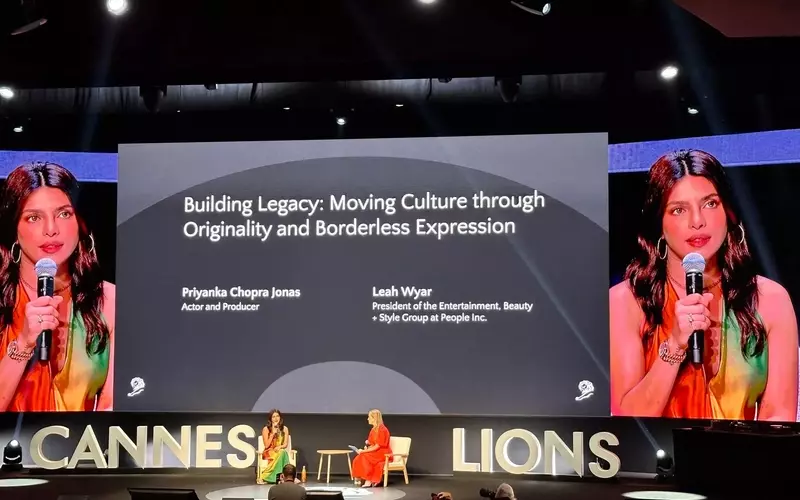

In the vibrant setting of the French Riviera, a distinguished gathering of marketing and advertising leaders from prominent global enterprises convened to delve into the dynamic shifts shaping their industries. These top executives, representing powerhouses such as Netflix, Unilever, Lego, and Electronic Arts, participated in a series of insightful dialogues. Their collective focus was on pioneering new approaches to elevate brand presence, forge stronger bonds with diverse consumer groups—especially the elusive Gen Z demographic—and adeptly utilize novel content avenues for greater impact.
Insightful Exchanges from the Heart of Cannes Lions
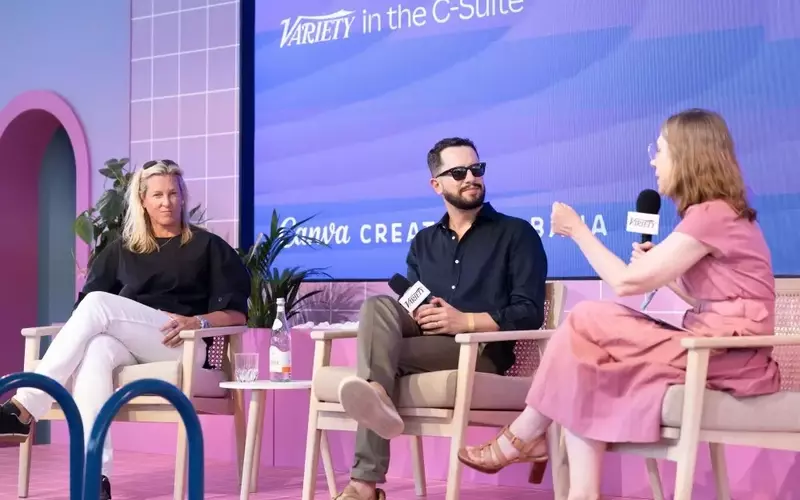
On June 24, 2026, amidst the radiant French Riviera, the inaugural day of the three-day interview series at the Cannes Lions festival saw key figures converge at the Canva Creative Cabana beachfront on the Croisette. Executives such as Julia Goldin, Chief Marketing Officer of Lego; David Tinson, Chief Experience Officer at Electronic Arts; Amy Reinhard, President of Advertising at Netflix; Leandro Barreto, CMO of Unilever; Chris Beresford-Hill, Global Chief Creative Officer at BBDO Worldwide; Mark Kirkham, CMO of PepsiCo U.S. Beverages; Leonardo Aizpuro, CMO of Nespresso; and Fabiola Torres, CMO of the Gap brand, shared their perspectives.
A central theme revolved around evolving brand experiences. Lego's Julia Goldin and Electronic Arts' David Tinson elaborated on their companies' transformations beyond traditional products. EA, once solely a gaming company, and Lego, renowned for its physical toys, now envision their brands as comprehensive ecosystems of entertainment and community. Tinson articulated that consumer engagement transcends mere gameplay, encompassing content creation, observation of others playing, and fostering social connections. Goldin echoed this, emphasizing a holistic approach where product development, activations, social media strategies, and potential gaming integrations are conceived in unison, creating multifaceted touchpoints for consumers.
The discourse then shifted to the potent influence of entertainment in brand building, featuring Netflix's Amy Reinhard and Unilever's Leandro Barreto. Barreto underscored that the contemporary objective isn't merely visibility but amplifying brand relevance within target audiences. He cited the successful collaboration between Unilever's Dove and Netflix's “Bridgerton,” which saw a remarkable surge in new Dove shoppers and rapid product sell-outs. Barreto highlighted Netflix's role as a cultural epicenter, where content fosters entire worlds that brands can tap into. Reinhard, in turn, stressed the importance of social conversation quality and creative partner feedback as metrics for successful marketing alignments, ensuring authenticity and brand elevation.
The conversation expanded to the role of audience participation with Chris Beresford-Hill of BBDO Worldwide and Mark Kirkham of PepsiCo U.S. Beverages. They recounted Pepsi's audacious and successful Super Bowl advertisement, “The Choice,” which playfully challenged conventional marketing wisdom by featuring a competitor's mascot. Kirkham noted that the calculated risk aimed to generate new data, not just adhere to old rules. Beresford-Hill added that the ad's success was amplified by its ability to spark widespread online debate, illustrating how readily available tools empower consumers to create parodies and memes, turning brand narratives into cultural phenomena.
Finally, the challenge of engaging Gen Z consumers was addressed by Nespresso's Leonardo Aizpuro and Gap's Fabiola Torres. Both executives agreed on the imperative of recruiting this demographic, not only as the future consumer base but also for their profound influence on older generations. Torres stressed that becoming a modern brand necessitates constant dialogue with new audiences and earning their affection. Aizpuro highlighted the “Nespresso Girlies” online community, showcasing how passionate creators, seen as peers rather than transactional partners, can organically amplify brand voice. Gap's partnership with girl group Katseye for “Better in Denim” exemplified this, generating billions of impressions. For both brands, the strategy for Gen Z and Gen Alpha is rooted in entertainment, while for millennials, it's about sustaining engagement through compelling content.
This illuminating series of discussions at Cannes Lions vividly illustrated the advertising and marketing industries' current trajectory. It underscores a fundamental pivot towards strategies that prioritize authentic engagement, cultural resonance, and innovative collaborations to connect with evolving consumer landscapes. The key takeaway is the increasing importance of integrated, entertainment-driven approaches that empower consumers to be active participants in a brand's narrative, rather than passive recipients of messages.