In a significant move to bolster national culture and audiovisual production, Brazil has inaugurated 'Tela Brasil,' a complimentary streaming service. This platform, launched by President Luiz Inácio Lula da Silva, aims to bring a diverse array of Brazilian films and television series to a broader audience. With an initial collection of over 500 titles, it represents a concerted effort to celebrate and disseminate the country's rich artistic heritage.
Brazil's New Streaming Service: A Deep Dive into 'Tela Brasil'
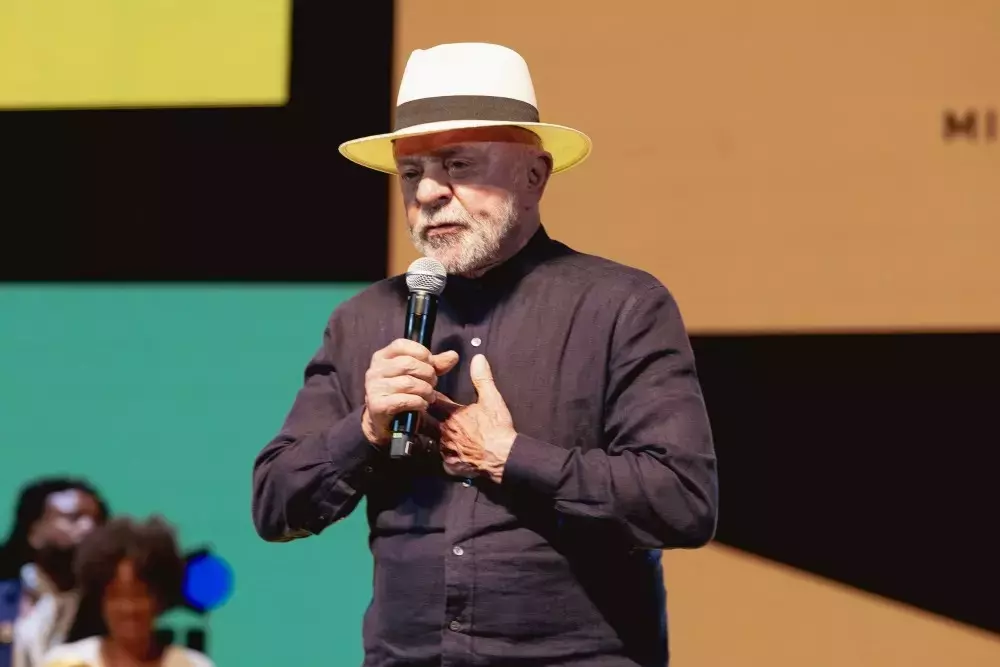
On May 30, 2026, during the prestigious Rio2C event, Brazilian President Luiz Inácio Lula da Silva unveiled 'Tela Brasil' (Screen Brazil), a groundbreaking, free-of-charge public streaming service. This innovative platform is designed to house a vast catalog of Brazilian audiovisual content, making it accessible to all citizens with a Gov.br digital government account.
The service launched with an impressive initial offering of 555 Brazilian productions, meticulously curated from 1910 through 2025. This extensive library includes 139 feature films, 85 medium-length films or television movies, 267 short films, and 64 series. President Lula articulated the vision behind this initiative, stating, "Tela Brasil will deepen public understanding of our nation. My hope is for it to become a vital conduit, connecting Brazilians more intimately with their own cultural narratives. It is paramount that we recognize and appreciate our own people's creations." He further emphasized the exceptional and dynamic selection available on the platform.
The official launch ceremony, held in Rio de Janeiro, was attended by key figures from the film and television industries, alongside high-ranking governmental officials. Among them were Margareth Menezes, Brazil's Minister of Culture and a renowned vocalist; Eduardo Cavaliere, the Mayor of Rio de Janeiro; and Ricardo Couto, the interim Governor of the State of Rio. A pivotal moment during the event was the signing of an agreement between the Ministry of Culture and the Brazilian Communication Company (EBC), which will see EBC contribute its extensive archive of over 150 titles, equating to approximately 3,000 hours of content, to 'Tela Brasil.' This includes popular television programs like the talk show “Sem Censura,” and celebrated feature films such as Glauber Rocha's "Black God, White Devil" (1964), Cacá Diegues' “Xica da Silva” (1976), Fábio Barreto's Oscar-nominated “O quatrilho” (1995), Suzana Amaral's “Hour of the Star” (1985), Bruno Barreto's Oscar-nominated “Four Days in September” (1997), Hector Babenco's “Carandiru” (2003), Jayme Monjardim’s “Olga” (2004), and Lúcia Murat’s “Almost Brothers” (2005).
The federal government has allocated a substantial investment of R$9 million (approximately $1.8 million USD) across 2024 and 2025 for the development and operation of 'Tela Brasil.' This funding covers content licensing, technological advancements, accessibility enhancements, curation, and comprehensive project management. The technical infrastructure of the platform was collaboratively developed by the Ministry of Culture and the Federal University of Alagoas (UFAL).
President Lula passionately articulated the broader impact of this cultural endeavor: "Culture unlocks minds, expands perspectives, and enables us to envision further. We must cultivate opportunities for all Brazilians to access every facet of our culture. We are home to extraordinary artists. Why should we not proudly exhibit what we create? Our nation must undergo a profound transformation to, once and for all, chart its unique trajectory and fully affirm its sovereignty."
Echoing this sentiment, Márcio Elias Rosa, Brazil’s Minister of Industry, Commerce, and Services (MDIC), highlighted the strategic inclusion of the audiovisual industry within the 'Nova Indústria Brasil' (New Industry Brazil) program, the federal government's overarching plan for industrial development. An MDIC working group has pinpointed 11 critical areas for advancing Brazil's audiovisual sector. Rosa noted, "The audiovisual industry currently contributes 0.6% to Brazil’s GDP and supports over 680,000 direct jobs, employing a highly skilled workforce. Our ambition is to elevate its GDP contribution to 1%. This is an audacious goal, but our professionals possess the capability, and we are dedicated to achieving it." He further announced a seminar on June 17, where representatives from federal public banks—Caixa Econômica Federal, BNDES, and Banco do Brasil—along with other public entities like Finep, will convene to devise bespoke credit lines for the audiovisual industry.
The launch of 'Tela Brasil' underscores a profound commitment to national identity and cultural sovereignty. By offering a free and accessible platform for Brazilian creative works, the government is not merely providing entertainment but also fostering a deeper sense of cultural appreciation and unity among its citizens. This initiative also represents a strategic economic investment, recognizing the audiovisual industry's potential for job creation and significant contributions to the national economy. It's a bold statement that culture is a vital pillar of national development, worthy of substantial public support and strategic integration into industrial policy. The success of 'Tela Brasil' could serve as a powerful model for other nations seeking to promote their indigenous artistic expressions on a global stage while reinforcing local pride and identity.