The DTM racing series is experiencing a significant technological leap with the integration of 5G connectivity, transforming how data is transmitted from its race cars. This advancement enables real-time, high-speed data transfer, significantly enhancing broadcast capabilities and potentially streamlining the work of race officials. The system, supplied by Riedel, is also being adopted by other championships, marking a new era for motorsport data management.
This innovative shift began subtly with U-shaped attachments appearing on car roofs during pre-season tests, swiftly becoming a standard feature across the grid. Beyond live broadcasting, the deployment of 5G technology opens doors for future developments, such as consolidating multiple camera systems into a single, real-time data stream, which could revolutionize incident review and overall race management.
5G Integration Boosts DTM Onboard Data Capabilities
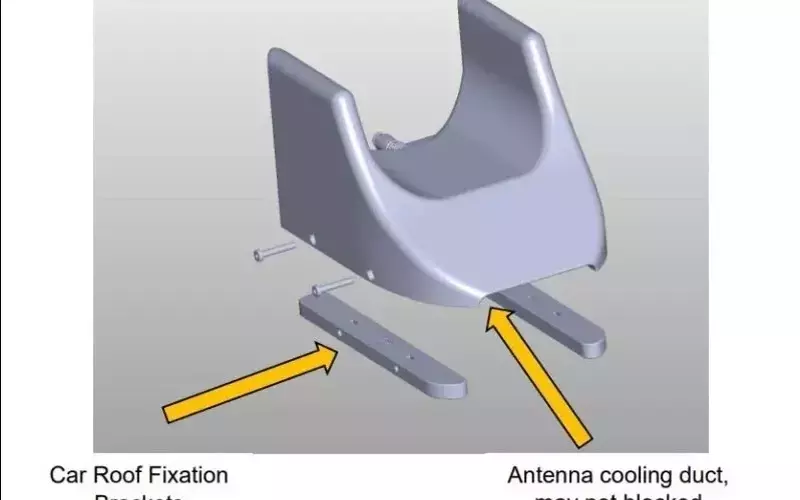
The DTM racing series has introduced groundbreaking 5G technology, significantly upgrading its onboard data transmission systems. This innovative implementation allows for the real-time, high-speed transfer of large volumes of data from race cars, a critical enhancement for both broadcast quality and operational efficiency. Initially observed as distinct U-shaped attachments on vehicle roofs during pre-season testing, these 5G antennas, equipped with integrated routers, have since been seamlessly incorporated into every car, signaling a major step forward in motorsport connectivity. The primary goal is to leverage 5G's advanced capabilities, which provide virtually instantaneous data transmission, to elevate the viewer experience and support race management more effectively. This marks DTM as a pioneer in adopting cutting-edge wireless standards for competitive racing.
The system's core component is a roof-mounted antenna, strategically placed to minimize interference and connected to access points around the circuit. This setup facilitates the transmission of onboard camera footage through a dedicated wireless network, a significant departure from older, conventional signal technologies. While currently only about a third of the cars are outfitted with active onboard cameras for live TV, running dummy units for weight balance on others, the long-term vision is to equip every vehicle with live broadcasting capabilities. Beyond DTM, this advanced 5G system, developed by Riedel, is also being rolled out in the ADAC GT Masters and GT4 Germany championships. Further refinements include efforts to make the antennas less visually obtrusive, with some units painted to match team colors and their positions adjusted for aesthetic integration, demonstrating a commitment to both performance and presentation.
Refined Antenna Design and Future Prospects
Following initial observations during pre-season testing, the visual aspect of the newly introduced 5G antennas on DTM cars underwent significant refinement. Organizers actively worked to integrate the U-shaped devices more discreetly, with teams repositioning them and even painting them to align with their car liveries. For instance, the Mercedes-AMG GT3 saw its antenna relocated further rearward on the roof by the start of the season, showcasing a commitment to balancing technological advancement with vehicle aesthetics. This attention to detail ensures that the technological upgrades enhance the racing experience without detracting from the visual appeal of the cars, demonstrating a thoughtful approach to innovation within the sport.
The deployment of 5G technology in DTM race cars opens up exciting avenues for future advancements beyond mere data transmission. A significant potential development lies in streamlining the multiple camera systems currently in use. At present, cars can be equipped with up to three distinct camera setups: one for broadcast, one for team analysis, and a specialized incident camera for stewards. The incident cameras traditionally store footage on sealed memory cards, which are manually retrieved and downloaded after each session. However, with the robust, real-time transmission capabilities of the new 5G system, there's a strong possibility of consolidating these into a single, unified camera system capable of live-streaming all necessary video data. This would not only simplify the technical infrastructure but also provide immediate access to critical footage for race officials, potentially speeding up incident reviews and enhancing the overall fairness and efficiency of race management. This strategic move highlights DTM's forward-thinking approach to leveraging technology for continuous improvement in motorsport.