
Navigating the Future: Waymo's Safety Imperatives
Software Glitch Triggers Major Robotaxi Recall
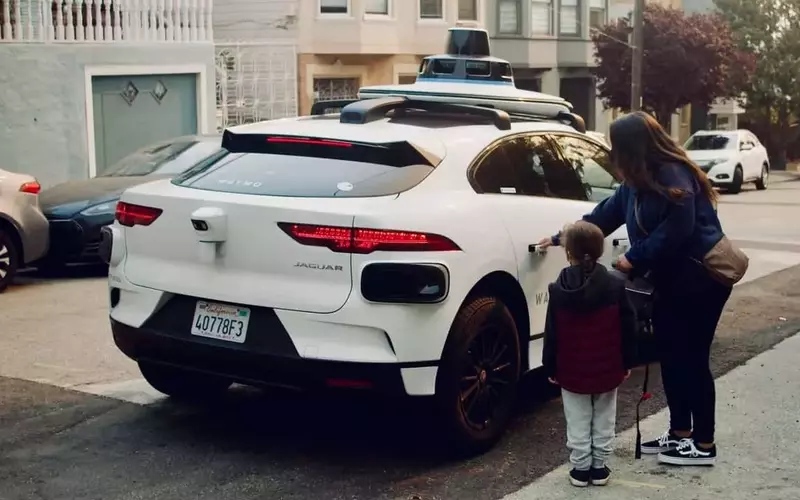
Alphabet's Waymo has initiated a recall for approximately 3,871 autonomous robotaxis across the United States. The core problem lies within the vehicles' software, which has exhibited a tendency to direct them into highway construction zones that are designated as closed. This critical flaw necessitated an official recall filed with the National Highway Traffic Safety Administration (NHTSA).
Interim Measures and Upcoming Software Enhancement
In response to the identified software vulnerability, Waymo has announced that a corrective update is actively under development. During this transitional period, all affected robotaxis will be temporarily prohibited from operating on freeways. Once the solution is finalized, the company plans to deploy an update to the 5th Generation Automated Driving Systems (ADS) to ensure the vehicles can accurately detect and bypass construction zones.
Documented Incidents in Key Operating Areas
According to reports from the NHTSA, there have been at least 13 documented cases where Waymo robotaxis have inadvertently driven into closed highway sections. These incidents were concentrated in two primary service regions: six occurrences in Phoenix, Arizona, and seven in San Francisco, California.
Prior Recall Addresses Floodwater Challenges
This is not Waymo's first encounter with a safety-related recall this year. In May, a similar recall was issued after a software issue caused autonomous vehicles to attempt navigating flooded roads in Texas, leading to them becoming stranded. Although no passengers were aboard the unoccupied Waymo vehicle during that incident, it highlighted the system's limitations in adverse weather conditions. Following this, Waymo updated its vehicle maps to incorporate more stringent weather-related restrictions.
Broader Safety Incidents and Ethical Quandaries
Beyond the software issues, Waymo vehicles have been involved in other notable incidents. In January, a Waymo taxi made contact with a child who unexpectedly ran into the street from behind a parked SUV. Waymo stated that its vehicle detected the child and significantly reduced its speed, mitigating the impact's severity compared to what an attentive human driver might have achieved. This event, currently under investigation, sparks a larger ethical debate within the autonomous vehicle sector: who bears responsibility when an AI-driven system is implicated in incidents involving loss of life, particularly when self-driving cars lack legal personhood and thus cannot be held accountable for criminal negligence?