
The Volkswagen Group has declared a comprehensive overhaul of its product strategy, revealing plans to halve its vehicle offerings and significantly reduce available customization options. This bold initiative is set to streamline the company's operations, focusing on profitability and efficiency by concentrating on the most successful and revenue-generating models across its extensive brand portfolio. The immediate implementation of these changes underscores the urgency of the group's strategic redirection in a challenging automotive landscape.
This major strategic shift by the Volkswagen Group comes as a direct response to evolving market dynamics and the need for enhanced financial performance. The decision to cut up to 50% of its model lineup and 75% of optional equipment signifies a departure from its historical approach of offering a wide array of choices. The conglomerate aims to channel its resources into "products and technologies that deliver the greatest added value for customers and the highest value contribution to the Group." This means a renewed emphasis on vehicles that are not only popular but also generate substantial profit margins, ensuring a more focused and sustainable business model.
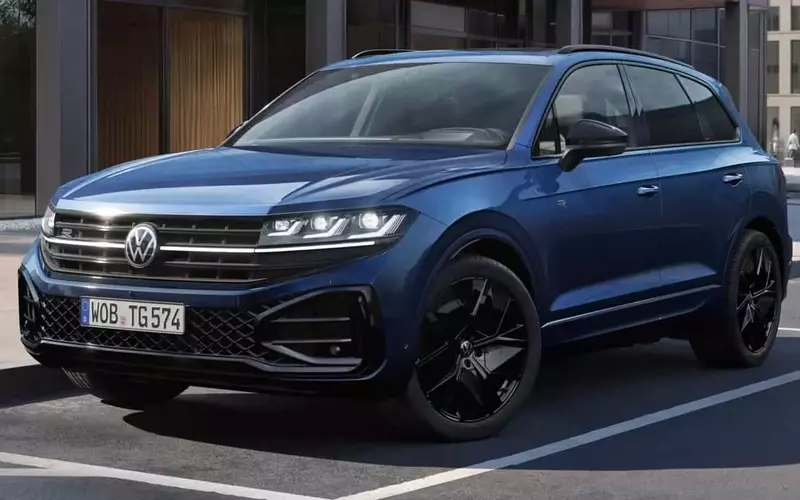
Evidence of this strategic reorientation is already visible with several models facing discontinuation. The Touareg SUV and Touran minivan are confirmed to be phased out, with the T-Roc Convertible following suit in 2027. Luxury brands under the VW umbrella are also affected; Audi has already removed the A1 supermini and Q2 subcompact crossover, alongside previous exits of the TT, R8, and Q8 E-Tron. Porsche has ceased production of the 718 Boxster and Cayman, and the original Macan will conclude its run shortly. These actions highlight a concerted effort across all brands to prune less profitable or less popular models.
In parallel with reducing its product variety, the Volkswagen Group is also scaling back its manufacturing capabilities. The annual production capacity is slated to drop to nine million units. This marks a significant reduction from the pre-pandemic capacity of approximately 12 million vehicles, and a further million-unit cut after an initial two-million reduction post-COVID-19. Despite reports circulating in German business publications about potential plant closures in locations like Zwickau, Emden, Hanover, and Neckarsulm, and a projected increase in layoffs to 100,000, the VW Group has maintained silence on these specific claims, only confirming the previously announced 50,000 job reductions. The ongoing discussions about divesting certain brands, such as Ducati, or publicly listing Lamborghini, though unconfirmed by the group, indicate the far-reaching nature of the strategic review currently underway.
The Volkswagen Group's move to significantly reduce its vehicle offerings and production capacity demonstrates a profound commitment to streamlining its operations and enhancing profitability. By focusing on core models and optimizing production, the automotive giant aims to secure its future competitiveness in a rapidly changing global market.