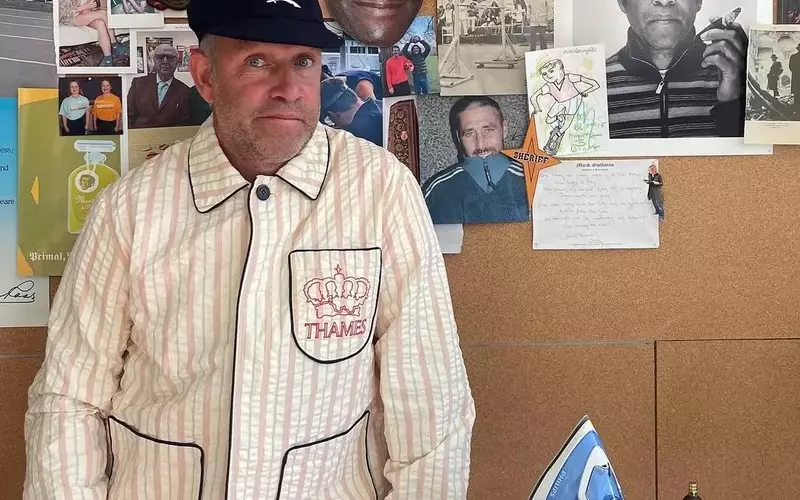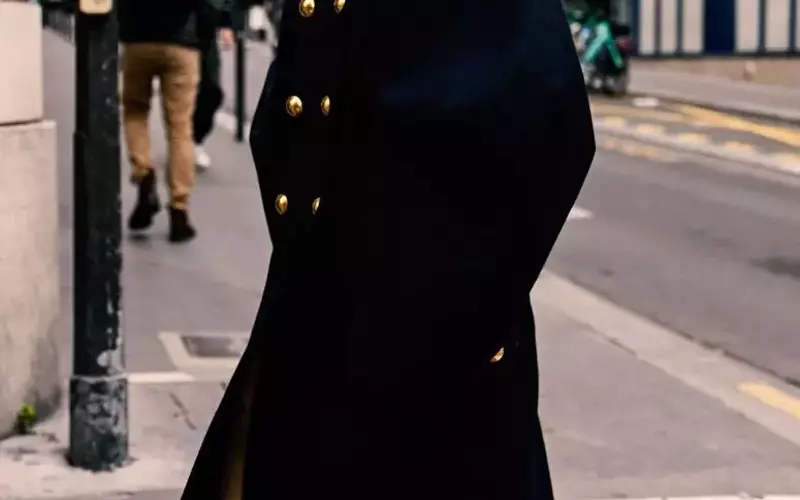

The luxury menswear market is undergoing a significant reevaluation of its target demographic. Historically, brands have heavily pursued younger shoppers, captivated by the allure of influencers, celebrity endorsements, and social media buzz, especially during the streetwear surge. However, as consumer spending habits evolve and the growth of streetwear slows, industry experts suggest a strategic pivot towards older generations, specifically Gen X and Baby Boomers. These demographics, often underestimated and underserved, represent a powerhouse of purchasing potential, driven by distinct values that prioritize enduring quality and personalized service.
During the recent Pitti Uomo men's trade fair in Florence, a noticeable presence of older, impeccably dressed men, often dubbed "Pitti peacocks," highlighted the substantial influence of Gen X and Baby Boomer consumers in the menswear landscape. These individuals, encompassing brand founders, buyers, journalists, and influencers, are known for their sophisticated tastes, preferring classic tailoring, high-quality footwear, and refined accessories. Cultural insights expert Bia Bezamat from Kantar emphasizes that despite marketers' preoccupation with Gen Z, older menswear consumers are an exceptionally valuable audience. They contribute over a quarter of global spending, demonstrating a notable disparity between marketing focus and actual purchasing power. These seasoned consumers tend to display greater brand loyalty, make decisive choices, and are less swayed by ephemeral trends.
The financial clout of older menswear consumers is undeniable. McKinsey's 2025 luxury outlook identifies "silver spenders"—affluent individuals over 50—as a primary driver of growth, accounting for nearly half of the global spending increase. The World Economic Forum reported that Gen X alone was responsible for a staggering $15.2 trillion in global spending in 2025, solidifying its position as the highest-spending generation worldwide. Furthermore, Federal Reserve data indicates that Baby Boomers control half of the current household wealth in the United States. Brands like Brunello Cucinelli, Zegna, and Loro Piana have already successfully engaged this demographic by featuring older male models and ambassadors, such as 60-year-old actor Mads Mikkelsen for Zegna, positioning themselves as intergenerational luxury labels. This approach acknowledges the significant economic power and sophisticated preferences of mature buyers.
Industry veterans like menswear consultant Nick Wooster commend houses like Chanel and Hermès for their intergenerational marketing strategies. However, Wooster points out that many major luxury brands under LVMH and Kering continue to heavily target millennials and Gen Z, often missing the mark with older cohorts who are their actual purchasing base. The preferences of mature consumers extend beyond mere representation; they value genuine retail experiences, exceptional service, and established style rather than fleeting fashion trends. Hirofumi Kurino, co-founder of United Arrows, exemplifies this shift, noting his own evolution towards investing in experiences and deliberately selecting brands with visionary leadership and a strong heritage. Similarly, Joo Woo of Saks Fifth Avenue and Neiman Marcus highlights that Gen X and Baby Boomer men approach shopping with clear intentions, seeking personalized service, superior quality, craftsmanship, exclusivity, and a rich brand history.
Kantar's Bezamat further elaborates that older shoppers are less motivated by transient trends and more focused on curating a wardrobe with clarity and confidence. They appreciate brands that acknowledge their discernment through transparent communication, high-quality products, and seamless retail interactions. For instance, Bruce Pask, also from Saks Fifth Avenue and Neiman Marcus, describes his own mature style as favoring a complete look with a jacket, whether tailored or unconstructed. Nick Wooster embraces a philosophy of combining classic pieces with unique elements to create intriguing ensembles. Harrods's fashion buying director, Simon Longland, notes that mature customers are foundational to their menswear business, making intentional purchases of refined Italian tailoring, sophisticated outerwear, and elevated essentials. These consumers are also a significant demographic for bespoke services, valuing the unparalleled quality, personalized experience, and expert craftsmanship that results in perfectly fitted garments.
A key characteristic distinguishing older male consumers is their detachment from rapid trend cycles. Experts agree that while social media shapes trends for younger generations, older men prioritize enduring style over fleeting fads. Young-Su Kim, director at Bergdorf Goodman, reflects on his own journey, moving from being influenced by celebrity culture and “must-have” items to a more intentional relationship with fashion that values personal and lasting pieces. Kurino adds that older men's fashion has shifted from status symbols to valuing the narrative and people behind brands, prioritizing quality over iconic, easily recognizable products. The decline of streetwear's influence and the evolving male image also contribute to this preference for unique, high-quality garments from brands like Auralee and The Row. This reflects a broader trend of aging being associated with experience and discernment rather than limitations, leading to older men setting benchmarks for enduring style, with brands like Saint Laurent and Kith featuring mature cultural figures in their campaigns.
Regarding retail channels, older male shoppers, often possessing more time and disposable income than their Gen Z counterparts, tend to prefer in-person luxury shopping experiences. Even if they engage with social media and omnichannel touchpoints for initial discovery, the final purchase often occurs in a physical store. GWI data shows that Gen X and Baby Boomer men in the UK undertake more out-of-home shopping trips than any other generation, a behavior that has remained consistent. Nick Wooster, for example, conducts 90% of his luxury purchases in-store, valuing the tactile experience and human interaction over online convenience. Harrods’s Longland emphasizes that these customers shop with conviction, engaging across multiple categories in a single visit, driven by clear choices and a desire for precision rather than urgency. They remain open to discovery, especially when guided by trusted store advisors. Giuseppe Santoni, CEO of luxury brand Santoni, highlights the boutique as a relational space, fostering loyalty through familiar settings, known advisors, and tailored services like private events and repairs. Similarly, Saman Amel, a menswear tailoring label, finds Gen X and Baby Boomers constitute a significant portion of their clientele, valuing honesty and personal relationships over merely presenting the latest trends.
While sharing many shopping similarities, Gen X and Baby Boomer men also exhibit notable differences in their digital engagement. Luca Faloni notes that Gen X customers are generally more digitally savvy and comfortable with online channels, whereas Baby Boomers place a higher premium on personal service and in-store interactions. GWI data further reveals that Gen X shoppers are research-driven, utilizing review sites and product comparison services, and are technologically confident but not entirely app-native, making browser websites and online display ads effective for reaching them. Although less research-focused, technology adoption among Baby Boomer men is increasing, with mobile devices now surpassing PCs as their most important tool in the US and UK. This shift, often driven by a desire to connect with family, makes word-of-mouth recommendations particularly powerful within their close personal networks. Both online communities on platforms like Substack and Reddit, and offline interactions, provide avenues for older menswear enthusiasts to connect and delve into niche interests like bespoke tailoring. The "silver economy" represents a critical priority for luxury menswear, given this demographic's time, disposable income, and strong sense of identity—potent elements for cultivating lasting brand relationships.