
Uber is strategically shifting its focus from solely human-driven ride-sharing to an expansive platform that seamlessly integrates both human and autonomous vehicle operations. This innovative approach, championed by CEO Dara Khosrowshahi, seeks to create a flexible and highly efficient transportation ecosystem capable of powering every journey, regardless of the driver's nature. This evolution involves substantial financial commitments and strategic collaborations within the burgeoning self-driving technology sector.
Uber's Autonomous Ascent: CEO Khosrowshahi's Vision for a Hybrid Future
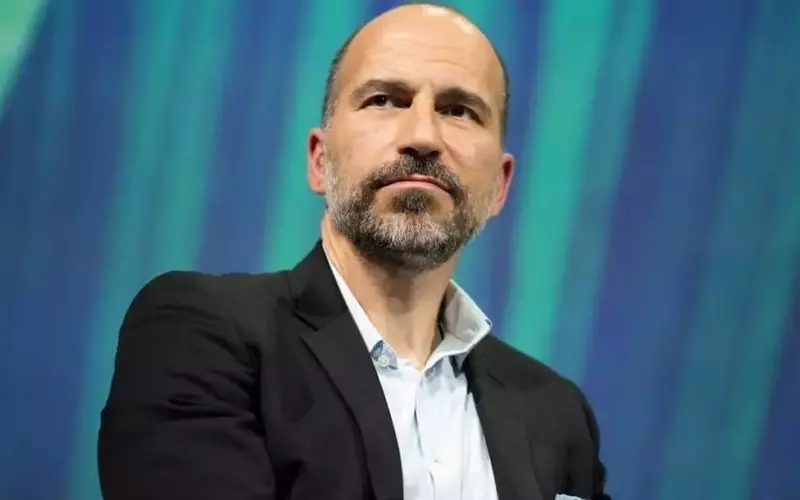
In a strategic move on June 2, 2026, Uber CEO Dara Khosrowshahi publicly endorsed a Fast Company profile highlighting Uber's forward-thinking autonomous vehicle plans, emphasizing the company's commitment to building a platform for every ride, irrespective of whether it's human or autonomously driven. This marks a significant departure from previous attempts to develop its own self-driving fleet. Instead, under Khosrowshahi's leadership, Uber is now pursuing a multi-billion-dollar strategy centered on integrating robotaxis from a diverse array of manufacturers and technology providers.
Khosrowshahi articulated this vision to Fast Company, stating, "We get to collaborate with everyone in the ecosystem. This allows us to observe various approaches to autonomy. Given our operational scale, facilitating over 40 million trips daily, we believe our investment in this ecosystem-wide approach is the most sound." While Benzinga sought further clarification from Uber's press office, no additional comments were available at the time of publication.
Uber has allocated approximately $10 billion, acting as both an equity investor and customer, across a network of roughly 30 self-driving partners. The company's ambitious targets include deploying tens of thousands of robotaxis and initiating operations in more than 15 markets by the close of 2026.
A key advantage of robotaxis, as identified by Khosrowshahi, lies in their potential to mitigate the challenge of fluctuating demand. A hybrid operational model, seamlessly blending autonomous vehicles with human drivers, can ensure that expensive autonomous fleets remain productive during off-peak hours, while human drivers handle surges in demand during peak periods. Khosrowshahi expressed his conviction, stating, "It's increasingly clear to me that many autonomous vehicle developers will reach the finish line. Our role is to commercialize this technology, which will ultimately save lives and become the primary revenue driver for this industry."
In their first-quarter earnings call in May, Khosrowshahi characterized autonomous vehicles as a "trillion-dollar Total Addressable Market (TAM)," underscoring the immense opportunities they present for the entire industry. He has also conveyed optimism regarding the potential integration of Tesla Inc. robotaxis into Uber's platform. Uber's diversified partnerships include collaborations with Alphabet Inc.-backed Waymo, innovative startups such as Nuro and Waabi, and established automakers like Rivian Automotive Inc. and Stellantis N.V. Uber reported a first-quarter revenue of $13.20 billion, representing a 14% increase year-over-year, though it fell slightly short of analysts' $13.29 billion estimate. Adjusted earnings reached 72 cents per share, surpassing the 70-cent projection. Gross bookings surged by 25% to $53.72 billion, with total trips increasing by 20% to 3.64 billion. While Uber stock currently shows poor momentum and an unfavorable price trend across short, medium, and long terms, Benzinga Edge Rankings highlight its excellent growth potential.
Uber's strategic pivot towards a hybrid model for its ride-sharing platform demonstrates a proactive and insightful approach to the evolving transportation landscape. By embracing a diverse ecosystem of autonomous vehicle partners and maintaining a flexible operational structure, Uber positions itself to capitalize on the profound opportunities presented by self-driving technology. This vision not only promises enhanced efficiency and scalability for the company but also signals a transformative shift for urban mobility, potentially leading to safer and more accessible transportation options for communities worldwide. The commitment to commercializing this advanced technology reflects a forward-looking mindset that could redefine the future of transportation.