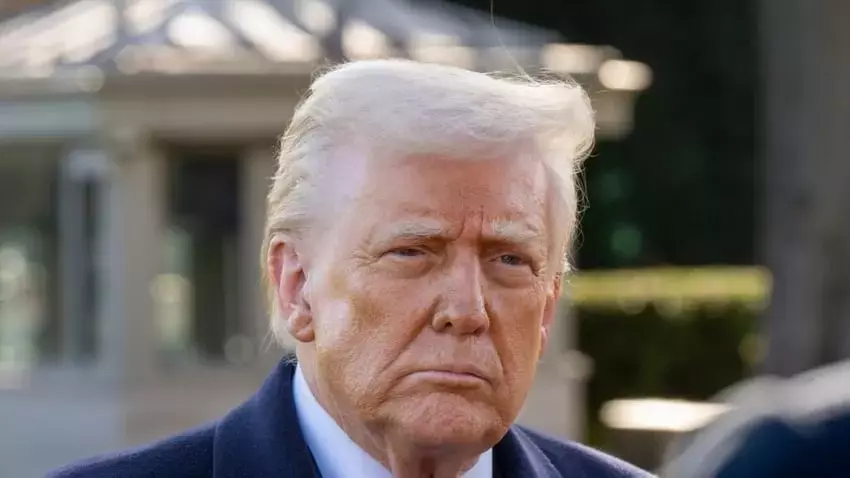
Former President Donald Trump has called for a cautious approach to the ongoing negotiations with Iran. He emphasized the importance of securing a comprehensive and precise agreement, while also countering criticisms from some political figures regarding the potential outcomes of such a deal.
Details of the Iran Nuclear Negotiations
On a recent Sunday, former President Trump utilized Truth Social to communicate his directive to his negotiating team: avoid rushing into an agreement with Iran. He underscored that “time is on our side” in efforts to resolve the regional conflict impacting global energy markets. This statement reinforced his earlier remarks from Saturday, where he characterized the negotiations as constructive. He mandated that a U.S. naval blockade on Iranian ports remain fully enforced until a final, certified, and signed agreement is reached, stressing that both parties must proceed carefully to prevent any errors. Trump unequivocally stated that Iran must not be permitted to develop nuclear weapons, a cornerstone of his administration's policy.
The discussions have reached a pivotal phase, marked by conflicting reports. Initially, there were indications that Iran had provisionally agreed to relinquish its stockpile of highly enriched uranium, a critical component for any emerging nuclear accord with the U.S. However, Iran later issued a denial, asserting that no agreement on its nuclear program had been finalized with the United States. These developments highlight the complex and sensitive nature of the diplomatic efforts.
Despite the cautious optimism from Trump, the potential deal has drawn significant opposition from certain Republican lawmakers. Figures such as former Secretary of State Mike Pompeo and Senator Ted Cruz (R-Texas) voiced concerns, suggesting that the rumored agreement could inadvertently bolster Iran's military capabilities and advance its nuclear ambitions. Pompeo specifically criticized the deal's potential to empower Iran, while Cruz warned against any terms that might enable Iran's nuclear aspirations. In response, Trump reiterated that the negotiations are unfolding in an "orderly and constructive" manner, drawing a stark contrast to the 2015 Joint Comprehensive Plan of Action (JCPOA), which he famously denounced as one of the worst deals ever negotiated by former President Barack Obama.
Reflections on Geopolitical Strategy and Diplomacy
The intricate dance of diplomacy surrounding Iran's nuclear program offers a compelling lesson in geopolitical strategy. Trump's insistence on patience and a meticulous approach underscores the long-term implications of such agreements. While the allure of a swift resolution can be strong, history shows that hastily crafted deals often carry unforeseen consequences. The critiques from Republican figures highlight the deep divisions in political thought regarding international engagement and the balance between appeasement and deterrence. The conflicting reports from Iran further complicate the narrative, reminding us that transparency and verifiable commitments are paramount in high-stakes negotiations. Ultimately, the outcome of these talks will not only shape the future of U.S.-Iran relations but also set a precedent for how global powers address nuclear proliferation. It is a testament to the enduring challenge of securing peace through diplomacy, demanding both unwavering resolve and strategic flexibility.