Forging Alliances: Trump's Vision for a Unified Middle East
Trump's Bold Proposal: Expanding Regional Pacts for Stability
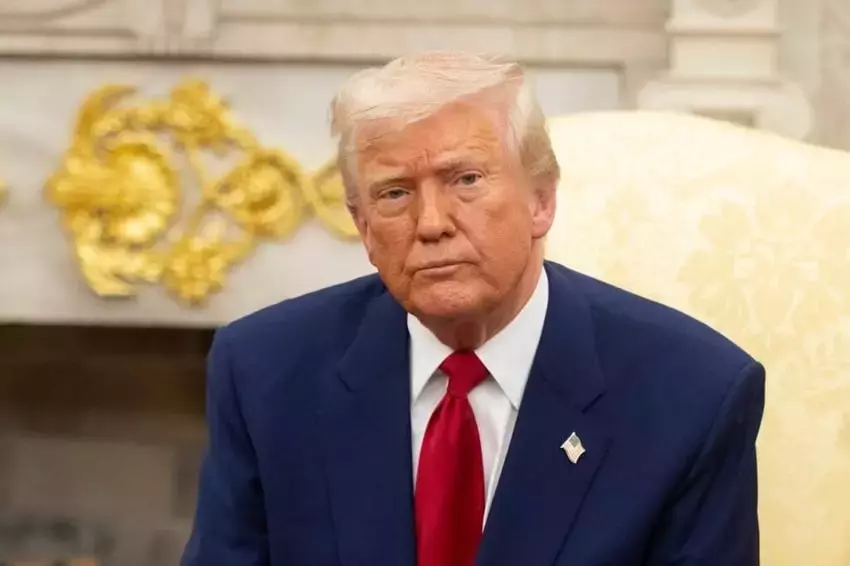
Former President Donald Trump recently articulated a strategic vision for Middle Eastern peace, proposing that several nations, including Saudi Arabia, Qatar, Pakistan, Turkey, Egypt, and Jordan, formally join the Abraham Accords. This initiative aims to synchronize efforts towards achieving a lasting peace with Iran, intertwining a delicate ceasefire negotiation with a broader drive for normalized relations with Israel. Trump's outreach extended to leaders of these countries, as well as existing signatories like the United Arab Emirates and Bahrain, who had previously established diplomatic ties with Israel during his initial term.
Regional Skepticism: Pakistan's Rejection and Broader Concerns
The reception to Trump's proposal has been mixed, with Pakistan notably declining the invitation. Public sentiment in many Muslim-majority nations remains strongly critical of Israel's military actions in Gaza, creating a challenging environment for normalization efforts. A Pakistani insider underscored that while Iran ceasefire discussions are vital, they should not be conflated with the Abraham Accords' expansion. This source emphasized Pakistan's autonomy in its foreign policy decisions, suggesting a reluctance to be coerced into such an agreement.
The Crucial Role of Saudi Arabia: A Path to Palestinian Statehood
Saudi Arabia stands as a pivotal player in these diplomatic endeavors. Recognition of Israel by the guardian of Islam's holiest sites would signify a profound shift in regional politics. However, Riyadh has consistently maintained that any normalization hinges on tangible progress towards the establishment of a Palestinian state. While Egypt, Jordan, and Turkey already have existing relationships with Israel, these ties have experienced considerable strain due to the recent conflict in Gaza.
Iran Negotiations and Economic Opportunities: A Dual Approach
Concurrently, Trump has indicated positive developments in ongoing discussions with Iran, though a definitive agreement has yet to materialize. Senator Lindsey Graham (R-S.C.) has expressed support for linking Iran diplomacy with regional normalization, envisioning such an integration as a catalyst for significant economic growth and opportunity across the region. This dual approach underscores the complex interplay between security, diplomacy, and economic prosperity in the Middle East.