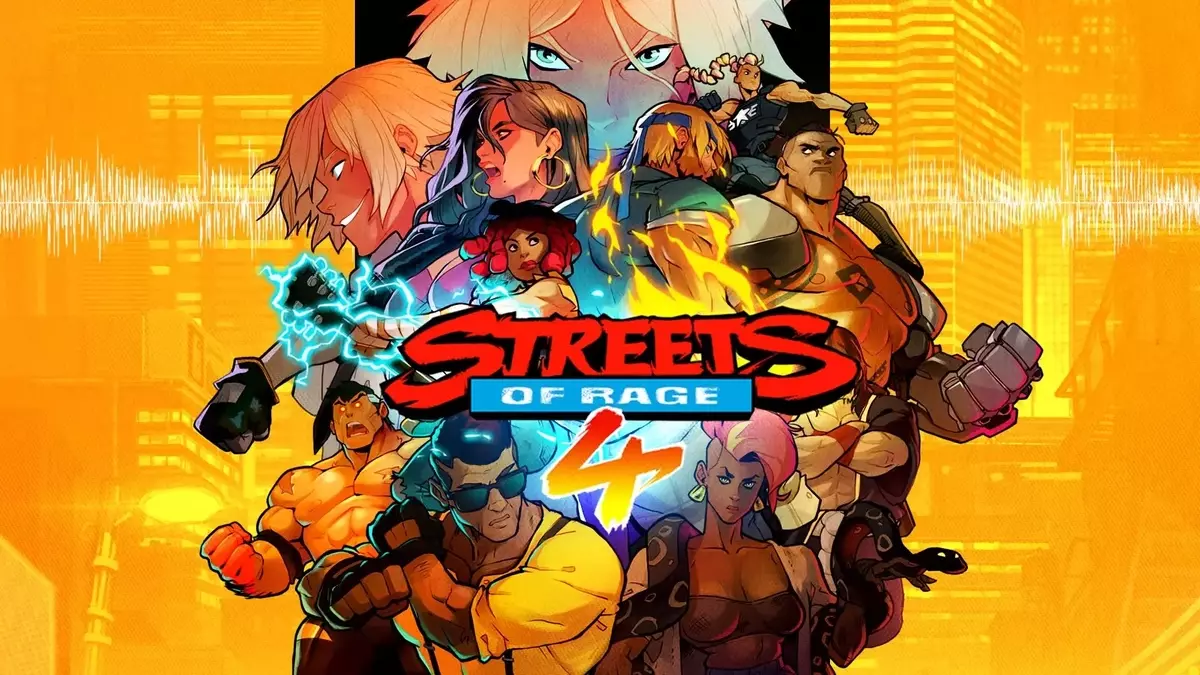
The beloved video game franchise, Streets of Rage, is set to make its cinematic debut, marking another significant milestone in Hollywood's increasing embrace of video game adaptations. Lionsgate has officially announced the creative team behind this long-anticipated project. Jeymes Samuel, celebrated for his work on films such as 'The Harder They Fall' and 'The Book of Clarence', will take the helm as director. The screenplay will be crafted by Pat Casey and Josh Miller, the duo responsible for the successful Sonic the Hedgehog film series. This development underscores a broader trend in the entertainment industry, where the lucrative potential of video game narratives is being fully realized, offering fresh material for diverse audiences.
Erin Westerman, President of Lionsgate's Motion Picture Group, expressed enthusiasm for Samuel's involvement, highlighting his distinctive and powerful directorial approach. She noted that Samuel's signature style, characterized by its impactful visuals and memorable musical integration, aligns perfectly with the essence of Streets of Rage. This choice is expected to resonate with both long-time fans of the game and newcomers, promising an engaging and dynamic cinematic experience that honors the game's legacy while introducing a fresh perspective.
The production team boasts a lineup of experienced industry professionals. Toru Nakahara from SEGA will produce, alongside Dmitri M. Johnson, Michael Lawrence Goldberg, and Timothy I. Stevenson from Story Kitchen. Todd Black, Jason Blumenthal, and Tony Shaw of Escape Artists are also on board. Notably, Derek Kolstad, known for his work on 'John Wick' and an earlier draft of the Streets of Rage screenplay, will also serve as a producer, bringing valuable insights to the project.
Streets of Rage, which first captivated audiences on the Sega Genesis in 1991, quickly became a cornerstone of the beat 'em up genre. The series is renowned for its compelling storyline, centering on former police officers battling the formidable crime lord Mr. X, and its iconic electronic dance music soundtracks. The franchise saw three direct sequels, with 'Streets of Rage 4' released after a 25-year hiatus, achieving critical acclaim and selling over 2.5 million copies. Its enduring popularity makes it a prime candidate for a big-screen adaptation.
The journey of video game adaptations in Hollywood has seen a remarkable transformation. Once perceived as challenging projects with mixed results, recent successes have altered this perception dramatically. Films like 'Five Nights at Freddy’s' and 'A Minecraft Movie' have surprised many with their impressive box office performances, proving the commercial viability of such ventures. Similarly, the cinematic exploits of iconic characters like Mario and Sonic have shattered records, with the Mario franchise earning over $2 billion and the Sonic films surpassing $1 billion. These achievements underscore a shift in Hollywood's approach, with studios actively seeking out popular video game intellectual properties to capitalize on their built-in fan bases and established narratives.
This renewed interest extends beyond established franchises, with creators exploring diverse origins for cinematic content, as exemplified by 'The Backrooms' transforming a viral online concept into a profitable horror film. As long as video game adaptations continue to deliver strong box office returns and critical engagement, the trend of bringing beloved digital worlds to the silver screen is set to continue, promising an exciting future for fans and filmmakers alike.
The announcement of the Streets of Rage film, with its stellar creative and production team, signifies a new chapter for this classic franchise. It exemplifies the current landscape where video games are recognized as rich sources of storytelling, capable of translating into compelling cinematic narratives that resonate with a global audience. The fusion of Jeymes Samuel's directorial vision with the iconic world of Streets of Rage is poised to deliver an exciting and memorable film experience, further cementing the place of video game adaptations in mainstream cinema.