The annual Rio2C event is set to host a pivotal meeting for Ibero-American Deputy Ministers of Culture, bringing together high-ranking officials from 17 countries to shape policies for the creative industries across the region. This collaborative effort, spearheaded by Brazil's Ministry of Culture, underscores the growing importance of fostering cultural exchange and economic development through creative initiatives. The forum aims to move beyond purely political discourse to focus on tangible strategies for optimizing integration and content production, thereby strengthening the cultural ties and economic contributions of the Ibero-American creative sector. Brazil, as the current temporary president of the forum, will play a central role in guiding these discussions and presenting new proposals for regional cooperation.
The discussions at Rio2C will also address the renewal of the Ibero-American Cultural Charter, a foundational document from 2006, with a new version expected to be approved in November. Furthermore, Brazil's Ministry of Culture plans to introduce new Portuguese and Spanish language courses through its virtual school, making these educational resources available to all participating nations. This convergence of institutional policy debates and the dynamic creative market environment at Rio2C is seen as a crucial step in building bridges between public and private sectors. The overarching goal is to invigorate and reinforce the production chains within the culture and creative economy throughout the Ibero-American region, fostering sustainable growth and collaboration.
Ibero-American Cultural Diplomacy at Rio2C
The sixth assembly of the Ibero-American Forum of Deputy Ministers of Culture is slated to occur as part of Rio2C, a prominent creativity conference held in Rio de Janeiro. This significant event will bring together key government representatives from 17 nations, including Brazil, Spain, and Portugal, to discuss and formulate public policies for the thriving creative sector within the Ibero-American sphere. This marks the first time such a high-level ministerial gathering will be integrated into the Rio2C program, highlighting a strategic move towards consolidating international cooperation and enhancing the regional creative economy. The forum's primary objective is to transcend political rhetoric and delve into actionable strategies for improving cultural integration and optimizing content creation across these diverse countries.
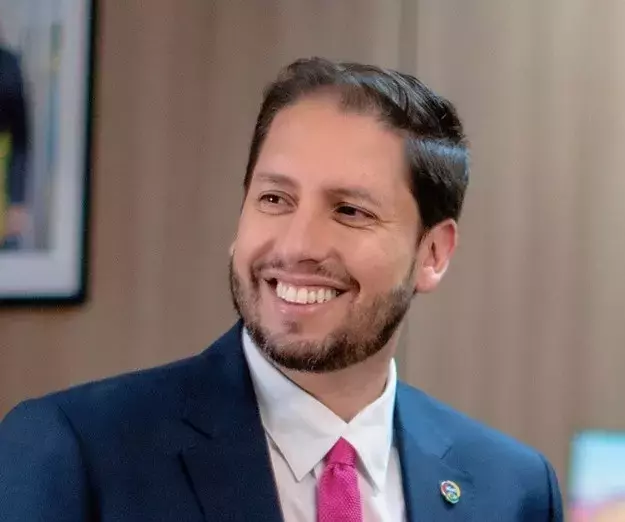
Rafael Lazarini, the founder of Rio2C, emphasized that the decision to host the forum was an initiative of Brazil’s Ministry of Culture, acknowledging the event's relevance as a platform for meaningful discussions among vice ministers and executive secretaries. These officials are seen as the driving force behind policy implementation, making their collective presence at Rio2C particularly impactful for fostering practical solutions. The discussions are intended to be sector-focused rather than solely political, aiming to streamline cooperation and boost the production of cultural content. Márcio Tavares, Brazil's Minister of Culture executive secretary, will preside over the meeting, leveraging Brazil's temporary presidency of the forum to steer these important conversations and drive forward regional cultural initiatives.
Strengthening Creative Economies Through Collaboration
A key focus of the upcoming forum will be the signing of a cooperation agreement between the Organization of Ibero-American States for Education, Science and Culture (OEI) and Fundação Itaú. This agreement is designed to establish robust data and indicators for effectively measuring the contribution of creative industries to sustainable development across the Ibero-American region. By quantifying the economic and social impact of the creative sector, the forum aims to provide evidence-based support for policy-making and resource allocation, ensuring that cultural initiatives are recognized as vital components of national and regional growth strategies. This move towards data-driven policy highlights a modern approach to cultural development, emphasizing accountability and measurable progress in the creative economy.
Furthermore, the meeting in Rio2C will serve as a platform for deliberating the renewal of the Ibero-American Cultural Charter, a significant document originally established in 2006. The participating countries are expected to finalize and approve a revised version of the Charter in November, reflecting contemporary challenges and opportunities within the cultural landscape. Brazil’s Ministry of Culture will also introduce new Portuguese and Spanish language courses, to be offered through its virtual school, Escola Solano Trindade de Cultura e Economia Criativa, to all member countries of the forum. Márcio Tavares highlighted the unprecedented importance of this convergence between institutional policy debates and the dynamic creative market, viewing it as essential for forging stronger links between public and private sectors to energize and strengthen the cultural and creative economic production chains throughout the region.