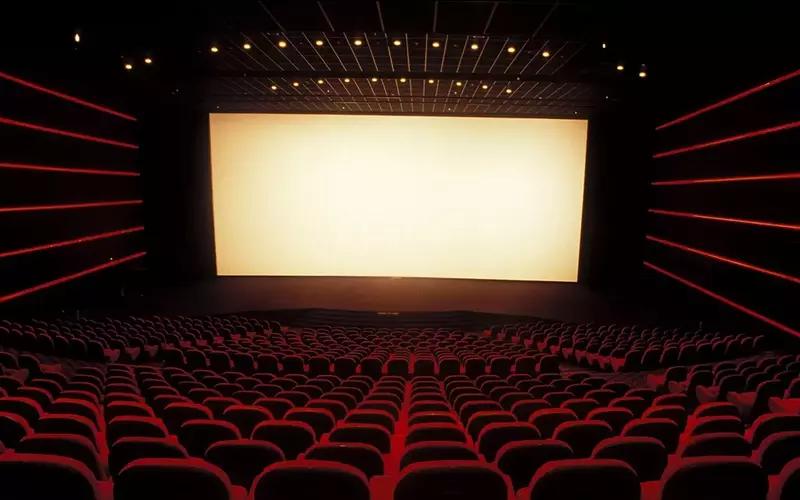

The cinema industry, often preoccupied with film release windows and production expenditures, frequently overlooks a critical factor for its long-term viability: the actual experience offered to moviegoers. This article examines how enhancing the in-theater environment and adopting more flexible pricing models can significantly boost profitability and re-engage audiences. By strategically expanding premium viewing options and recalibrating standard ticket prices, theaters can cultivate a more inclusive and frequent movie-going culture, ensuring sustained success in a competitive entertainment landscape.
The Path to Cinematic Renaissance: A Detailed Blueprint for Theaters
The contemporary cinematic landscape, as highlighted by a report on June 29, 2026, by Joseph M. Singer, underscores a fundamental imbalance in the exhibition model. High-demand films, such as Christopher Nolan's epic The Odyssey, consistently fill Premium Large Format (PLF) screens, including IMAX and Dolby, commanding top ticket prices due to their superior audio-visual quality. However, these popular features are often displaced after a mere two to three weekends to accommodate new releases, irrespective of continued audience interest. This premature rotation results in substantial foregone revenue, as films with sustained appeal, like Tom Cruise’s Top Gun: Maverick or Nolan’s own Oppenheimer, are relegated to standard auditoriums, where profitability dips despite ongoing demand for a premium experience.
The core issue is a deficit in PLF screen capacity. The current infrastructure struggles to meet the prolonged success of modern blockbusters, which often maintain strong viewership for extended periods, especially during holiday seasons. Increasing the number of premium screens would have two immediate benefits. Firstly, it would prolong the 'premium tail' for successful films, allowing them to remain on high-yield screens for longer, thus capturing additional revenue without altering the film itself. Secondly, it would alleviate scheduling pressures, enabling exhibitors to program films based on genuine audience demand rather than a rigid turnover schedule.
Beyond these direct impacts, an expanded premium capacity paves the way for a revolutionary re-evaluation of standard screen pricing. With PLF screens absorbing much of the revenue burden, theaters could afford to reduce standard ticket prices without compromising overall economics. This move is crucial, as the escalating cost of moviegoing has alienated a significant portion of the audience, particularly families. Initiatives like 'Discount Tuesday' have already demonstrated the power of lower prices in boosting attendance and concession sales—the latter being a high-margin revenue stream that often more than compensates for reduced ticket prices. A deliberate pricing structure, with premium options at the top and clearly more affordable standard tickets, would provide consumers with meaningful choices, driving higher attendance frequency and better mid-week traffic. This approach would also diversify the audience mix, engaging a broader demographic that is currently priced out of the premium experience.
The practical implementation of these strategies is straightforward. The existing demand for premium screenings, evident in sold-out shows, clearly indicates a supply shortage, not a lack of interest in content. The solution involves constructing more premium auditoriums, extending the run of successful films on these screens, and allowing standard screens to cater to a more accessible price point. This dual approach would enhance revenue at both ends of the spectrum and provide clearer choices for the audience.
Furthermore, operational excellence is paramount. Addressing common grievances such as phone usage and excessive pre-show advertisements is vital. Live pre-show announcements and visible staff presence can significantly improve audience behavior. Offering varied screening options, such as 'quiet' or 'family-friendly' showings, allows viewers to tailor their experience. Accurate start times are also essential; a 7:00 p.m. movie should begin precisely at 7:00 p.m., rather than after a lengthy advertising reel. Streamlining entry, improving signage, ensuring functional mobile ticketing, and accelerating concession lines all contribute to a more efficient and enjoyable visit. Maintaining high presentation standards—crisp projection, clear sound, clean facilities, and comfortable seating—is non-negotiable, as audiences instantly notice and are deterred by substandard conditions. Ultimately, the cumulative effect of these improvements will transform the movie-going experience into the quiet, efficient, relaxing, and communal event that audiences crave.
The insights from this analysis are profound for the entire entertainment exhibition sector. It's clear that merely focusing on the films themselves isn't enough; the environment in which they are consumed is equally, if not more, important. The industry has a golden opportunity to redefine the value proposition of going to the movies. By embracing innovative pricing strategies and making a concerted effort to enhance the physical and operational aspects of theaters, cinemas can overcome current hurdles and build a sustainable, thriving future. The emphasis must shift from just showing movies to curating an unparalleled experience that home viewing cannot replicate. This proactive stance will not only attract a broader audience but also foster a renewed passion for the magic of the big screen, ensuring its relevance for generations to come.