
Embracing Innovation: Festivals as Future Distribution Hubs
The Evolving Role of Film Festivals in Distribution
Juan de Dios Larraín, the acclaimed Chilean producer known for his work on A Fantastic Woman, recently articulated his belief that prestigious film festivals, such as Sundance, ought to consider adopting a direct distribution model. This perspective arises from the increasing difficulties independent productions face in securing adequate distribution opportunities following their festival premieres. Larraín’s own initiative, Pijama, a direct-to-audience platform co-founded with his brother Pablo Larraín, serves as a practical example of this forward-thinking approach.
Insights from Karlovy Vary Industry Days
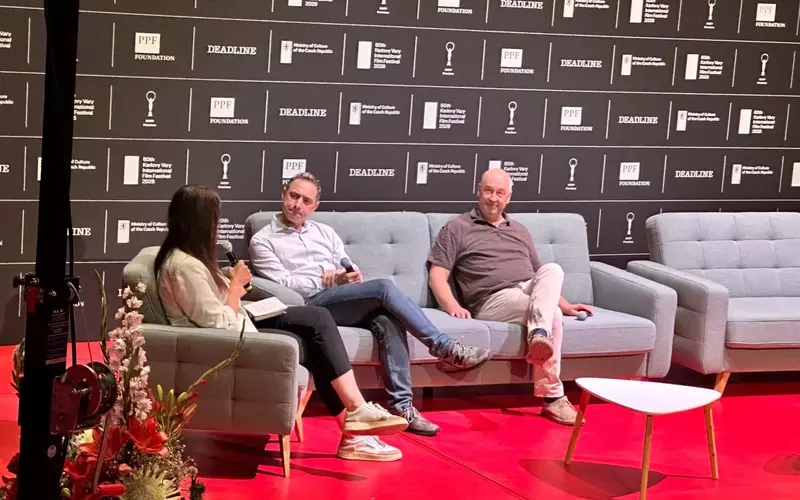
Larraín shared these views during a panel discussion at the Karlovy Vary International Film Festival's Industry Days, titled "The Future of Film Distribution Is Already Here: Same Problem – Opposite Directions." He was joined by Steffen Kottkamp of Directors Collection, an upcoming venture focusing on AVOD and FAST channel distribution, with Diana Lodderhose from Deadline Hollywood moderating the session. The discussion underscored the urgent need for innovative strategies to bridge the gap between independent filmmakers and their potential viewers.
Addressing Sundance's Distribution Dilemma
During the panel, Larraín directly addressed the concerns surrounding Sundance, noting that festival organizers are increasingly aware of the diminishing distribution prospects for films showcased at their event. He emphasized that a festival's responsibility should extend beyond mere exhibition to actively facilitating audience access. He cited Karlovy Vary's KVIFF.TV streaming platform as a successful precedent, suggesting that Sundance could explore similar avenues to become a comprehensive distribution platform.
Pijama: A New Model for Independent Film Accessibility
Larraín elaborated on the foundational philosophy behind Pijama, stressing that a film's inability to find traditional distribution does not equate to a lack of audience. He highlighted that every film, regardless of its niche, possesses a potential viewership, whether it comprises a small, dedicated group or a larger community. The primary motivation for creating Pijama was to establish a direct conduit between these films and their specific audiences, thereby enabling creators to monetize their work effectively in a challenging market.