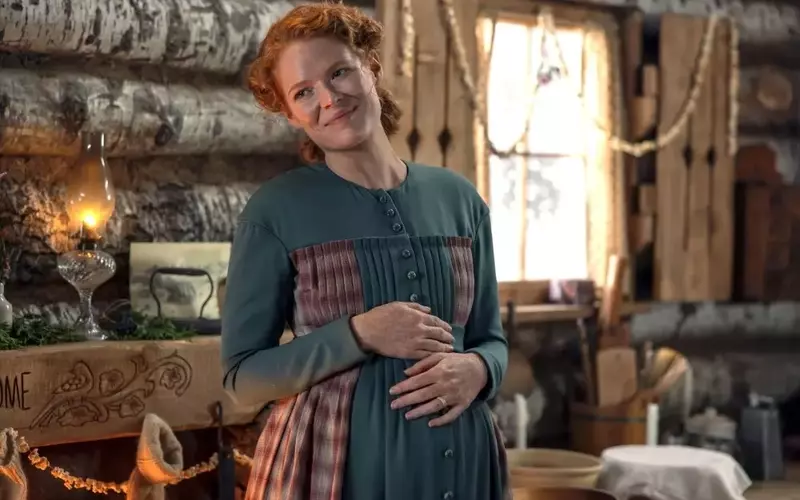

Rebecca Sonnenshine, the acclaimed writer behind “The Boys” and creator of “Archive 81,” is set to unveil her highly anticipated adaptation of “Little House on the Prairie” on Netflix this July 9th. This project fulfills a childhood aspiration for Sonnenshine, who has been a devoted admirer of Laura Ingalls Wilder's works since her formative years. Her passion for the classic series was a key factor in securing her role, even with her background in supernatural and horror genres.
Sonnenshine's interpretation of “Little House” broadens the scope of the original narrative, specifically integrating the story of the Osage Indigenous people, who were significant in Wilder's books but less explored in previous adaptations. This new approach introduces a mixed-race Osage family, the Mitchells, featuring William, White Sun, and their daughter Good Eagle, mirroring the Ingalls' pioneering journey. Despite Netflix's commitment, evidenced by a second season order, Sonnenshine has faced public criticism, including from Megyn Kelly, regarding the show's potential to be “woke.” However, original series star Melissa Gilbert defended the show, pointing out that the classic already addressed many socially relevant themes.
Sonnenshine seeks to balance the familiar wholesome aesthetic of “Little House” with a more inclusive historical perspective, without endorsing the controversial “tradwife” movement. She highlights her own background of resourcefulness and self-sufficiency, values she shares with the Ingalls family, asserting that such practices are universal and not exclusive to any specific ideology. Sonnenshine believes that audiences, including conservatives, will connect with the show's exploration of diverse narratives, finding nothing to fear in its contemporary reimagining.
Sonnenshine's endeavor with the new “Little House on the Prairie” exemplifies a commitment to storytelling that embraces historical nuance and addresses contemporary social dialogues. By enriching a beloved classic with broader perspectives, she invites viewers to engage with history in a more comprehensive way, fostering understanding and challenging preconceived notions. This approach not only revitalizes a cherished narrative but also underscores the enduring power of empathy and inclusivity in media.