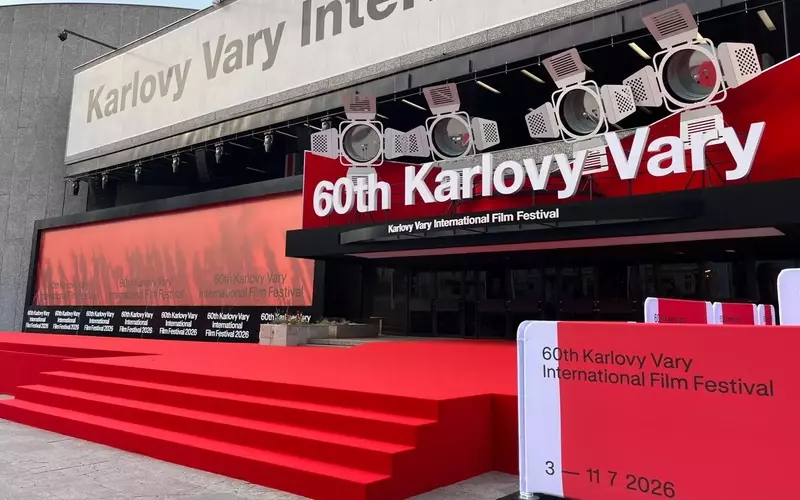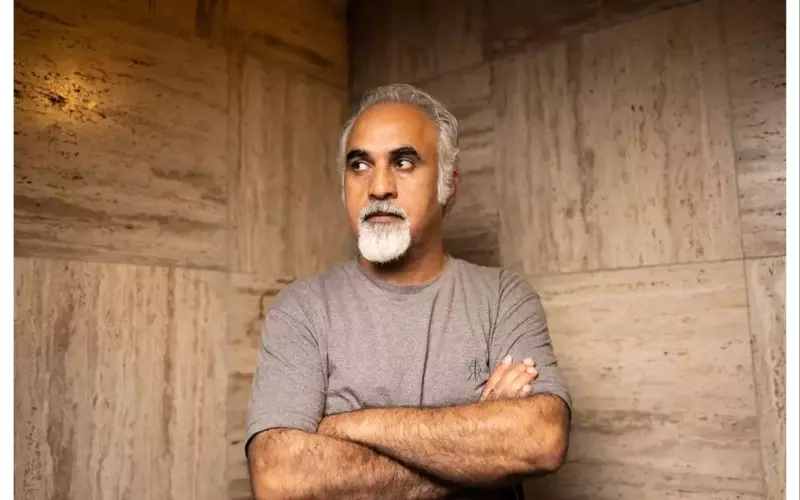

Nader Saivar, an Iranian director renowned for his contributions to independent cinema, is making waves with his new film, 'Hijamat,' set to premiere at the Karlovy Vary Film Festival. This Berlin-based drama delves into the complex dynamics of a Muslim family confronting a son's homosexuality, a sensitive topic Saivar felt compelled to address. His work, including previous collaborations with celebrated filmmaker Jafar Panahi, often navigates the intricate social and political landscapes of Iran. In a recent interview, Saivar discussed his motivations for creating 'Hijamat' outside his home country, the challenges faced by Iranian artists, and his observations on the evolving religious sentiments among Iran's younger generation.
Saivar's film not only explores personal freedoms and societal constraints but also serves as a metaphor for broader change, suggesting a need for a 'mental Hijamat'—a cleansing of outdated perspectives. Living in Berlin, the director finds a sense of liberation that influences his artistic vision, though he remains connected to the struggles of his peers in Iran, many of whom face significant hurdles in their creative pursuits and personal freedoms. His continued partnership with Jafar Panahi highlights a shared commitment to storytelling that challenges norms and encourages critical reflection on identity, religion, and governance.
Creative Freedom and Societal Reflections in 'Hijamat'
Nader Saivar, an acclaimed Iranian filmmaker, embarks on a new cinematic journey with 'Hijamat,' his first feature produced entirely outside of Iran, specifically in Berlin. This decision stemmed from a desire to explore more universal and personal themes, moving away from narratives solely focused on Iranian sociopolitical issues. The film, starring German-Lebanese actor Kida Khodr Ramadan, examines the profound impact of a son's homosexuality on his deeply religious Muslim family. Saivar chose this sensitive subject to challenge rigid societal and religious norms, portraying a family's struggle to reconcile faith with personal identity. The film's title, 'Hijamat,' referring to a traditional therapeutic practice, symbolizes a necessary purging of outdated views, suggesting that true progress requires a transformation of thought and perspective, not just political upheaval. This symbolic depth underscores Saivar's intent to spark a broader dialogue about acceptance and change, both within and beyond the Muslim community.
The collaborative spirit behind 'Hijamat' is further highlighted by Saivar's enduring partnership with Jafar Panahi, a testament to their shared artistic vision and resilience. Even with geographical distance and political obstacles, Panahi actively contributed to the scriptwriting and editing processes, underscoring the deep professional bond between the two filmmakers. Saivar’s choice to tackle homosexuality within a Muslim context, particularly in Berlin, aims to dismantle 'walls' of prejudice and misunderstanding that exist not only in traditional societies but also in the West. He believes that by addressing such a fundamental human experience, he can effectively challenge entrenched beliefs. His experience in Berlin has provided him with a sense of freedom that is palpable in the film, influencing its narrative and themes. The film also indirectly speaks to an Iranian audience, who, despite censorship, access such content online, reflecting a growing secular trend among Iran's youth—a generation that Saivar observes is increasingly questioning traditional religious frameworks, perhaps even more so than some in Europe.
The Iranian Context: Artistic Challenges and Generational Shifts
The creation of 'Hijamat' marks a significant turning point for Nader Saivar, as it represents his first feature film produced entirely outside of Iran. This move was driven by a conscious decision to broaden his thematic scope beyond specific Iranian sociopolitical narratives, seeking to explore more universal and personal stories. While living in Berlin, Saivar has gained a newfound sense of creative freedom, which profoundly influenced the film's exploration of challenging subjects like homosexuality within a religious family. This departure from his previous Iranian-centric works allows him to address topics that resonate globally, fostering a dialogue about cultural and religious boundaries that extend beyond national borders. His commitment to addressing these themes, even while being physically distant from Iran, showcases his dedication to artistic integrity and social commentary, reflecting his deep engagement with contemporary issues.
Saivar's current living situation in Berlin, while not an exile, underscores the precarious reality for many Iranian filmmakers. He acknowledges the severe restrictions and personal sacrifices artists like Jafar Panahi face in Iran, where merely attempting to pursue their craft can lead to confiscation of passports, legal battles, and immense personal stress. These challenges significantly divert energy from creative work, hindering the development of Iranian cinema. Despite these obstacles, Saivar remains hopeful about Iran's future, envisioning a young generation that, much like flowing water, will inevitably find its path towards greater freedom and secularism. He observes a marked aversion to religion among Iranian youth, a sentiment he believes is even more pronounced than in some parts of Europe. Saivar's 'Hijamat' thus serves as both a personal artistic statement and a reflection of the broader societal shifts occurring in Iran, offering a glimpse into the evolving cultural landscape and the enduring spirit of its artists.