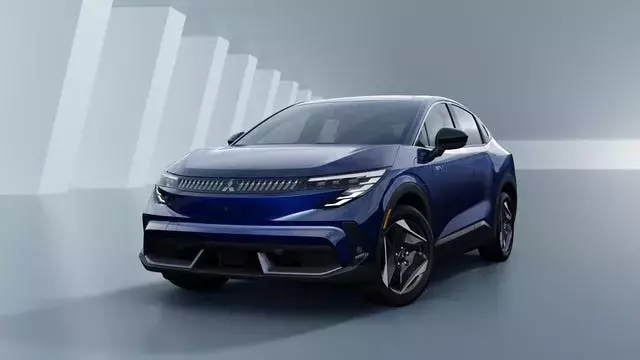

Mitsubishi is poised to roll out an entirely new electric vehicle, the Eclipse Sportback, later this year. This upcoming compact EV is fundamentally constructed upon the existing architecture of the Nissan Leaf, yet it endeavors to carve out its own identity through specific design alterations.
Mitsubishi Eclipse Sportback: A Detailed Look at its Distinctive Features
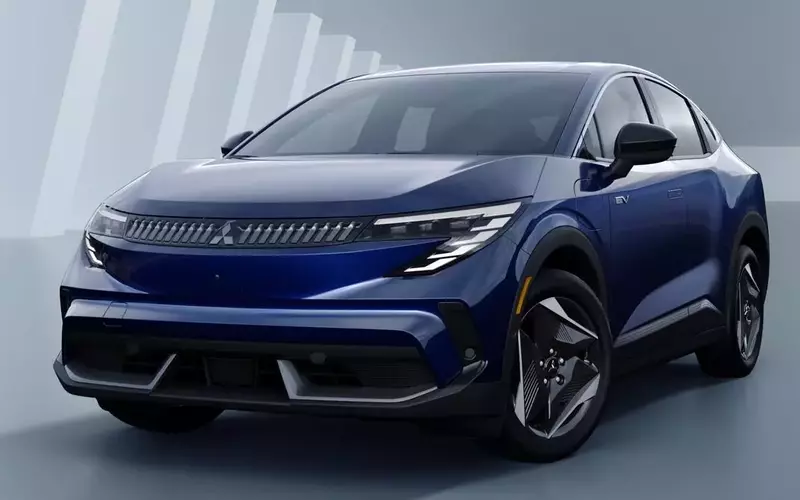
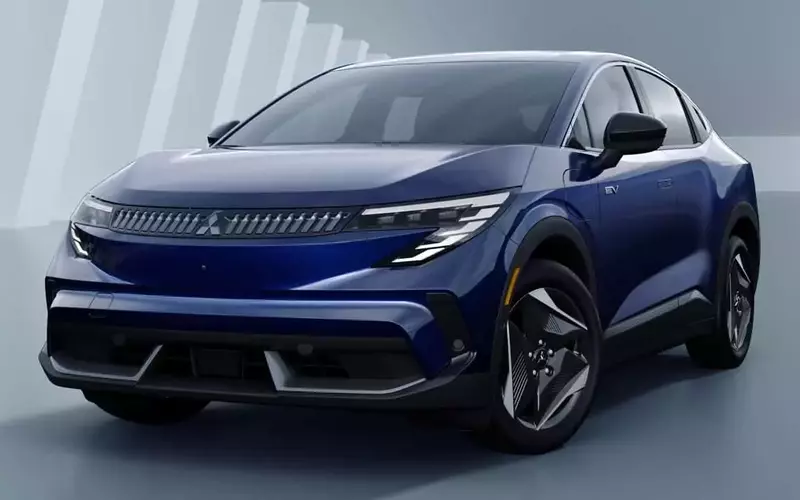
Scheduled for a second-half launch this year, the 2027 Mitsubishi Eclipse Sportback will enter the market as a fresh contender in the electric vehicle segment. Despite its shared foundation with the Nissan Leaf, the Mitsubishi variant will showcase a unique front aesthetic, proudly displaying the brand's Triple Diamond emblem. The lighting configuration at the front is set to offer a novel interpretation, complementing a completely revised bumper design.
Moving to the rear, the Eclipse Sportback will diverge from the Leaf's distinctive taillights, adopting a pair of opposing L-shaped markers that echo the front's design language. Prominent Mitsubishi branding will adorn the trunk area, further distinguishing it from its Nissan sibling, alongside a re-sculpted rear bumper. Additionally, the side profile of the Eclipse will feature redesigned C-pillar trim and subtly textured side skirts, alongside a set of sport-inspired alloy wheels that contribute to its unique visual appeal. While interior images are yet to be released, it is anticipated that the cabin will bear a strong resemblance to that of the Leaf.
Further details regarding the vehicle's full specifications, pricing structure, and precise market availability are expected to be unveiled by the automaker in the near future. Industry observers largely anticipate that the powertrain will remain consistent with the Nissan Leaf's offerings. The 2026 Nissan Leaf, available in three trim levels, starts at approximately $31,535 for the entry-level Leaf S+ (inclusive of a $1,545 destination charge). This model is equipped with a 75-kilowatt-hour battery and a 214-horsepower electric motor, a configuration Mitsubishi is likely to adopt for the Eclipse Sportback.
The introduction of the Eclipse Sportback expands Mitsubishi's vehicle portfolio, joining the Eclipse Cross. Notably, the European version of the Eclipse Cross is a rebadged and restyled Renault model, hinting at Mitsubishi's strategy of leveraging alliance partnerships for new product development.
From a journalistic perspective, the unveiling of the Mitsubishi Eclipse Sportback highlights an intriguing trend within the automotive industry: strategic badge engineering to expand electric vehicle offerings. While sharing platforms can streamline development and reduce costs, the success of such an approach hinges on how effectively each brand can imbue a shared vehicle with its own distinctive character and value proposition. For Mitsubishi, differentiating the Eclipse Sportback sufficiently from the Nissan Leaf will be crucial in attracting consumers and establishing its unique place in the competitive EV market. It raises questions about brand identity in an era of increasing cross-brand collaborations and what consumers truly prioritize when choosing an electric vehicle.