
In the realm of extended gaming sessions and desk-bound activities, the importance of maintaining proper posture and ergonomic principles cannot be overstated. This comprehensive guide delves into critical insights from Dr. Lindsey Migliore, a distinguished physician specializing in esports medicine and the founder of GamerDoc. The discussion highlights common postural pitfalls, such as hunching and improper seating, and provides actionable strategies to mitigate their adverse effects. By understanding and implementing these ergonomic adjustments, individuals can significantly improve their comfort, prevent chronic pain, and extend their physical well-being during prolonged periods of sitting.
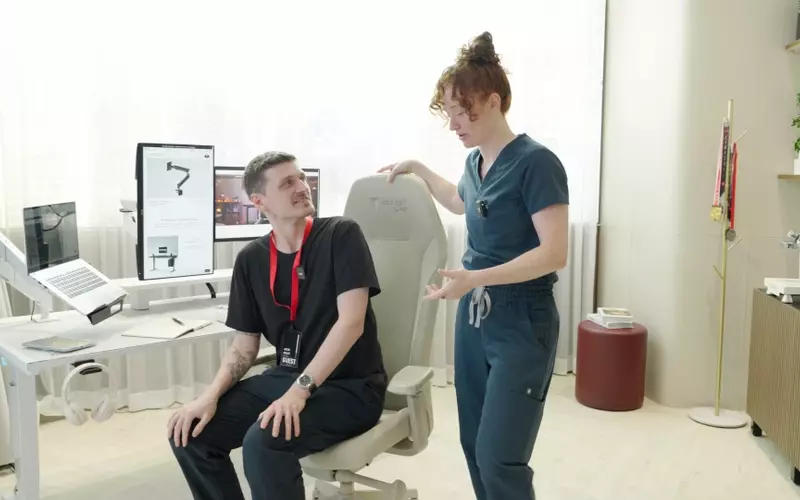
Many gamers, and indeed anyone who spends significant time at a desk, often overlook the fundamental aspects of ergonomic setup, leading to various musculoskeletal issues. The prevailing sentiment among some has historically been that gaming chairs prioritize aesthetics over functional support. However, contemporary research and expert opinions, like those of Dr. Migliore, underscore a shift towards more scientifically grounded approaches in ergonomic design. During a recent encounter at Secretlab's headquarters in Singapore, Dr. Migliore, affectionately known as Dr. Lindsey, meticulously analyzed an individual's poor sitting habits. This personal assessment served as a poignant illustration of common mistakes, including persistent hunching, feet not being flat on the floor, and underutilization of standing desks. Her immediate and accurate diagnosis of morning lower back pain highlighted the direct correlation between poor posture and chronic physical discomfort.
Dr. Lindsey advocates for a holistic approach to ergonomics, transcending mere physical adjustments to encompass behavioral changes. She emphasizes that ergonomics is not solely about achieving a single 'perfect' posture but rather about integrating movement and varied positions throughout the day. Key recommendations include ensuring feet are flat on the floor, maintaining knees in alignment with hips (or slightly above), and correctly adjusting seat depth to allow for two to three finger-widths between the chair's edge and the back of the knee. The lumbar support of the chair should firmly contact the lower back. Furthermore, armrests play a crucial role in maintaining a neutral wrist position, thereby alleviating pressure on the carpal tunnel and preventing conditions like carpal tunnel syndrome. Whether armrests are set at desk level or slightly below, the goal is to support the forearms and wrists to avoid strain. For desks, particularly standing desks, Dr. Lindsey stresses the importance of adjusting them to ensure elbows form a 90-degree angle and monitors are an arm's length away, with the top edge at or just beneath eye level.
Beyond static adjustments, Dr. Lindsey profoundly stresses the dynamic nature of healthy sitting. The traditional '90-90-90 rule' that once dictated rigid, upright postures has evolved. Modern ergonomics now champion supported stillness combined with intentional movement. Prolonged static positions, even seemingly correct ones, can lead to muscle strain and tissue remodeling, where the body adapts to a lack of movement, often resulting in pain and discomfort. Therefore, actively utilizing a chair's tilt functionality, regularly shifting monitor positions (especially for multi-monitor setups), and frequently transitioning to a standing desk are crucial. These actions encourage continuous muscle engagement and reduce localized stress. As Dr. Lindsey eloquently puts it, “Life’s not a video game where we get to choose another character. We are stuck in this.” This underscores the urgency of adopting proactive ergonomic habits to safeguard one's long-term health. The insights gained from Dr. Lindsey serve as a powerful reminder that it is never too late to make positive changes, encouraging a more mindful and dynamic approach to how we sit and work.