When it comes to men's fashion, the choice of footwear plays a crucial role in defining the overall impression of an outfit, especially when donning a gray suit. This comprehensive guide, informed by insights from leading tailoring experts, emphasizes that successful shoe pairing extends far beyond mere color matching. It’s an intricate dance between the suit's shade, fabric texture, and overall formality, all contributing to a harmonious and polished appearance.
The Nuances of Pairing Footwear with Gray Suits
Selecting the ideal shoes for a gray suit involves a sophisticated understanding of several factors, as highlighted by fashion authorities like Chase Winfrey, editorial director of J. Mueser, and Mark Cho, co-founder of The Armoury. Their collective wisdom underscores the importance of the suit's material and cut in dictating footwear choices. According to Winfrey, “The biggest determining factor in finding the right footwear for a gray suit is going to be your cloth,” noting that a worsted wool charcoal suit projects a more formal aura than a linen one.
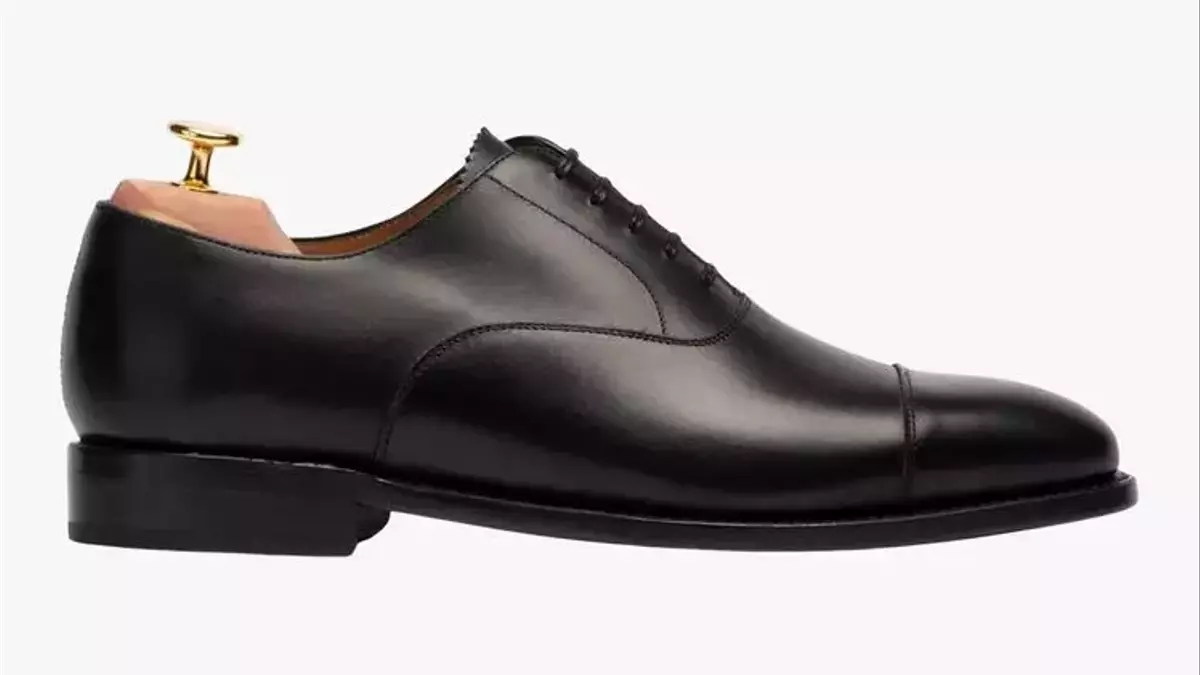
The journey begins with color. Lighter gray suits, typically perceived as more casual, pair exquisitely with softer, lighter shoes such as tan leather, suede, or loafers. In contrast, dark gray suits, including charcoal, demand more subdued footwear. Black is a timeless choice for these darker shades, though dark brown can also be an excellent option, particularly when the ensemble leans slightly more relaxed. Cho elaborates, “With dark gray, I like darker colors such as black, dark brown, or navy,” while for lighter grays, he suggests tan or even white nubuck for a distinctly summery vibe. The experts unanimously caution against the high-contrast look of chestnut leather shoes with dark suits, a trend from the late 2000s, advocating for darker tones that maintain sartorial elegance.
Beyond color, fabric texture is paramount. A smooth, finely woven worsted wool suit, inherently formal, calls for sleek, polished leather shoes, perhaps in black, dark brown, or even a rich cordovan like burgundy or oxblood. The goal is to avoid anything overly casual or soft. Conversely, suits with tactile qualities, such as flannel or tweed, which possess greater volume and depth, benefit from shoes that echo this texture. Suede, grained leather, or shoes with chunkier soles can create a cohesive look. Winfrey advises, “Something with a little bit of texture that’s going to echo what your suit has.” The principle here is completion, not imitation; a soft suit with overly shiny shoes can create a discordant visual.
Finally, the suit's cut and intended formality significantly influence shoe selection. Structured tailoring, often featuring pleated or cuffed trousers, demands classic footwear. Lace-ups, brogues, or shoes with substantial presence are ideal companions. Mark Cho, known for his preference for cuffed and pleated trousers for comfort and drape, consistently pairs such tailoring with traditional shoes. For more relaxed suits, particularly those made from linen, a lighter, more forgiving fabric, the footwear can follow suit. Winfrey suggests, “A suede loafer… something with a little bit of texture,” encouraging a more playful approach. The overarching message is to maintain consistency between the suit's structure and the shoe's formality to avoid a mismatched appearance.
In essence, while guidelines regarding color, texture, and formality provide a strong framework, personal intuition remains a valuable tool. As Winfrey wisely concludes, if you find yourself overthinking, simply choose your favorite shoes. This sentiment underscores that fashion, while guided by principles, ultimately thrives on individual expression and confidence.
Reflecting on Personal Style and Confidence
This exploration into shoe and suit pairing offers more than just fashion rules; it's a lesson in understanding how subtle details can profoundly impact one's presentation. It highlights that true style emanates from a thoughtful consideration of every element, ensuring that each piece not only complements the others but also reflects the wearer's personality and the occasion. The advice from these tailoring masters reminds us that while trends come and go, timeless elegance is achieved through an appreciation for fabric, form, and harmony. Ultimately, dressing well is not about rigidly adhering to dictates but about cultivating an informed sensibility that allows for both adherence to tradition and confident personal flair. It's about knowing when to follow the guidelines and when to trust your gut, creating a look that is both impeccable and authentically you.