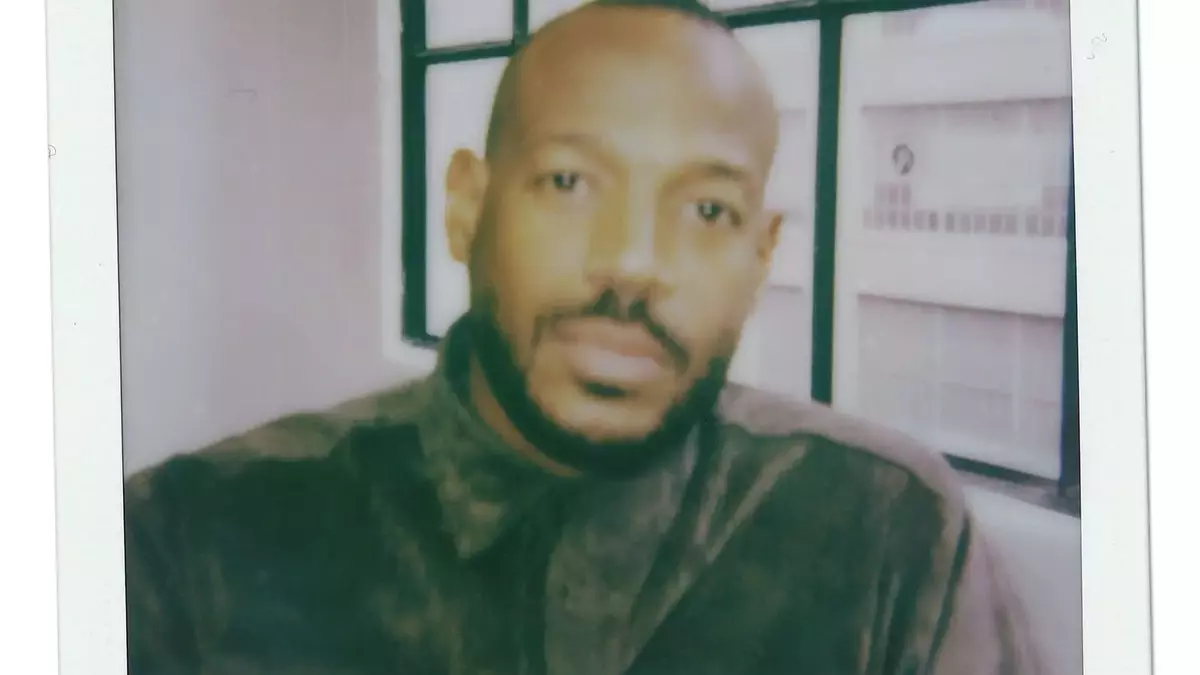
Marlon Wayans, a name synonymous with comedic genius and a member of one of entertainment's most influential families, recently offered a revealing glimpse into his personal and professional world. From growing up in a household brimming with creative talent to navigating the highs and lows of Hollywood, Wayans shared insights into his unique journey. He spoke passionately about the Wayans brothers' distinctive brand of humor, their enduring impact on pop culture, and the highly anticipated revival of the “Scary Movie” franchise. Beyond the laughter, Wayans also touched upon deeply personal themes of grief, resilience, and his ongoing quest for artistic fulfillment, emphasizing a renewed commitment to projects that resonate with his evolving vision.
Marlon Wayans' Candid Reflections: From Family Legacies to the “Scary Movie” Reboot
In a recent interview, actor and comedian Marlon Wayans provided an intimate look into his life and career, marked by both profound family connections and significant professional milestones. He began by acknowledging the monumental influence of his family, including his renowned siblings Keenen, Damon, Kim, and Shawn Wayans, who collectively shaped a substantial part of modern pop culture, notably through their groundbreaking work on “In Living Color” and films like “Scary Movie” and “White Chicks.”
Wayans candidly discussed the upcoming release of a new “Scary Movie” installment, marking the family’s return to a franchise they originated. He recounted the challenging period when the rights were held by others, leading to a hiatus in their involvement. He explained how a combination of perseverance and new executive leadership at Miramax, particularly Jonathan Glickman, paved the way for the Wayans brothers to reclaim creative control. Wayans expressed his commitment to collaborating with his family, stating that no financial incentive could compel him to pursue the project without his brothers, Keenen and Shawn, by his side. Despite initial hesitations from his siblings, rooted in past experiences with the industry, Wayans successfully convinced them, emphasizing trust in his vision and a desire to bring their unique comedic energy back to audiences.
Beyond the professional sphere, Wayans delved into deeply personal reflections. He described his early life as incredibly fortunate, nurtured by parents who instilled in him a strong sense of humor, love, and respect. His mother, a wellspring of creativity and wit, and his God-fearing father, a Jehovah's Witness, provided a foundation of unconditional love and guidance. However, Wayans also spoke of a profound shift in his life after the age of 48, following the passing of both his parents and the loss of numerous acquaintances. These experiences taught him about mortality and the importance of valuing life and fostering positive relationships, leading to a newfound appreciation for forgiveness and internal strength.
Wayans also touched upon his artistic evolution, particularly his desire to explore more dramatic roles, citing his work in films like “Requiem for a Dream.” He challenged the notion that comedy is easier than drama, articulating that while drama allows for the direct expression of personal trauma, comedy often requires transforming pain into laughter—a process he explored in his special “Good Grief.” He believes that great comedians often make great dramatic actors because they understand how to access and channel profound emotions. Furthermore, he discussed his stand-up career becoming increasingly personal, exemplified by his current tour that addresses his journey of acceptance regarding one of his children's transition, transforming a deeply personal experience into a compelling comedic narrative.
Reflecting on his career ambitions, Wayans aspires to “superstardom,” defining it as the ability to effortlessly transition between genres and command diverse roles. He emphasized his relentless work ethic and his commitment to mastering various artistic disciplines, recognizing that while audience appreciation is strong, industry recognition remains a crucial step in achieving his ultimate goals. He concluded by reiterating his father's dying wish for the brothers to work together again, seeing the new “Scary Movie” as a fulfillment of that promise, aiming to bring much-needed laughter and nostalgic joy to a world grappling with numerous challenges.
Marlon Wayans' journey reminds us that true artistic expression often emerges from a blend of personal experience, unwavering dedication, and a deep connection to one's roots. His ability to transform adversity into humor, coupled with his commitment to family and his craft, offers a compelling blueprint for navigating the complexities of both life and the entertainment industry. His story underscores the idea that success, particularly in a creative field, is not merely about fame or fortune, but about the continuous pursuit of passion, the courage to be vulnerable, and the resilience to keep pushing boundaries, all while cherishing the foundational bonds that shape who we are.