
Recent market activity saw a substantial decline in major U.S. stock indices, primarily influenced by escalating geopolitical tensions and persistent inflation. The Dow Jones index experienced a sharp drop exceeding 900 points, while the S&P 500 and Nasdaq Composite also closed significantly lower. This downturn coincided with renewed conflicts between the U.S. and Iran in the Strait of Hormuz, prompting concerns about global stability and its economic repercussions. Furthermore, the U.S. annual inflation rate surged to 4.2% in May, reaching its highest point in over a year, further dampening investor confidence.
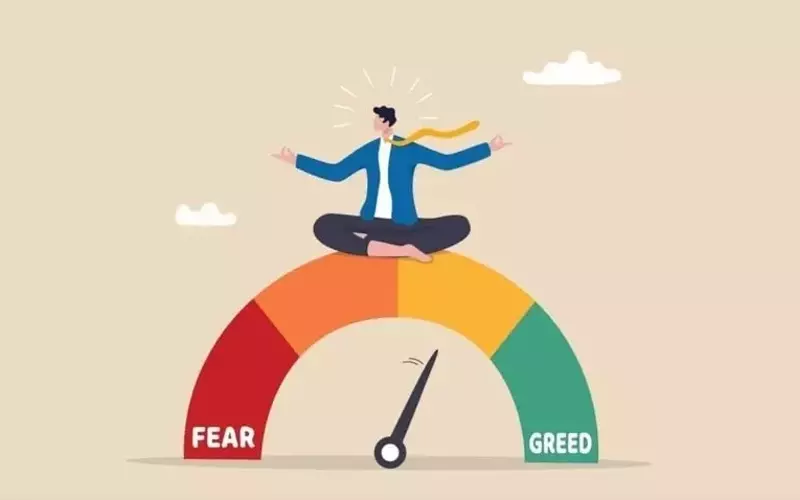
The CNN Money Fear and Greed index, a key barometer of market sentiment, reflected this growing apprehension, remaining deep within the "Fear" zone. This indicator, which assesses various market factors to gauge investor psychology, highlighted a pervasive sense of caution and uncertainty. While most sectors on the S&P 500 faced losses, with industrials, materials, and information technology stocks being the hardest hit, certain defensive sectors like consumer staples and energy managed to conclude the trading session with gains, indicating a flight to safety among some investors.
Geopolitical Events and Economic Pressures Drive Market Downfall
The latest trading session witnessed a considerable drop in American equities, with the Dow Jones Industrial Average experiencing a significant fall of over 900 points. This sharp decline was largely attributed to a resurgence of hostilities between the United States and Iran within the strategic Strait of Hormuz. The situation was exacerbated by President Trump's declarations hinting at additional retaliatory actions against Iran, which fueled anxieties regarding potential broader regional instability and its knock-on effects on the global economy. Investors reacted by shedding riskier assets, leading to a widespread sell-off across various market segments.
Adding to the market's woes was the latest economic data, which revealed that the annual inflation rate in the U.S. accelerated to 4.2% in May. This figure not only surpassed the previous month's 3.8% but also marked the highest inflation level recorded since April 2023. The combination of geopolitical uncertainty and rising inflationary pressures created a challenging environment for investors, pushing market sentiment into a more pessimistic outlook. The majority of sectors within the S&P 500 index concluded the day with losses, underscoring the broad impact of these concerns on market performance.
Investor Sentiment Reflects Heightened Market Anxiety
The CNN Money Fear and Greed Index provided a clear illustration of the deteriorating investor confidence, registering a current reading of 27.6 and firmly positioning itself within the "Fear" category. This marked a further decrease from its earlier reading of 32.5, indicating a deepening sense of apprehension among market participants. The index, which quantifies market sentiment by analyzing seven equally weighted indicators, operates on the fundamental principle that elevated fear levels tend to depress stock prices, whereas increased greed typically propels them higher. Its range from 0 (representing extreme fear) to 100 (signifying maximum greediness) offers a granular view of the prevailing market psychology.
The current state of the market, characterized by significant declines in prominent indices such as the Dow, S&P 500, and Nasdaq, underscores the profound impact of recent events on investor behavior. While sectors traditionally considered defensive, including consumer staples and energy, managed to achieve gains, the broader market experienced widespread losses, particularly in industrial, materials, and information technology stocks. This divergence highlights a shift towards more conservative investment strategies as market participants seek refuge from ongoing uncertainties. The sustained presence of the Fear and Greed Index in the "Fear" zone suggests that a cautious approach is likely to persist until there is greater clarity regarding both geopolitical developments and the trajectory of inflation.