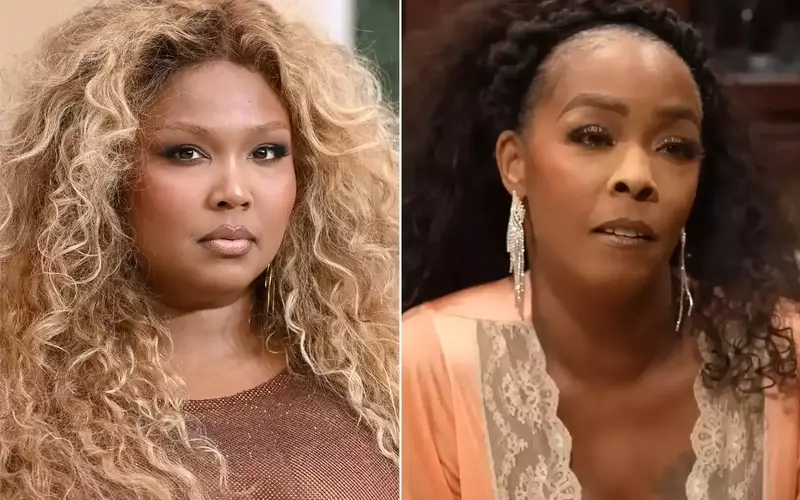

In response to her recent album's unexpectedly low sales, acclaimed pop artist Lizzo has publicly addressed the "Khia Asylum" meme. This internet phenomenon is frequently employed to denote female musicians experiencing commercial decline in their careers. Lizzo highlighted the meme's underlying bias and its impact on women in the music industry.
Lizzo emphasized the inherently prejudiced nature of the term "Khia Asylum" in an interview. She pointed out that the meme, though often used humorously, derives its name from Khia, an iconic figure in Black rap music, making its application a disservice to her legacy. Lizzo contended that the meme predominantly targets women, particularly Black women, transforming into a mechanism for online harassment and bullying. Despite her strong feelings about the meme's negative connotations, she also recognized the humor in its origins, noting its evolution from a playful internet trend to a more damaging tool.
Acknowledging her current career challenges, Lizzo asserted that her established success, including multiple Grammy awards and a Diamond-certified record, should render her immune to being categorized within the "Khia Asylum." She clarified that such labels are more appropriate for "one-hit wonders." While candid about the "weeds" of her present professional landscape, marked by her latest album's low chart performance, Lizzo maintains a firm stance against the misuse of the meme as a derogatory descriptor. She reaffirmed her position as a successful artist, impervious to such criticisms.
Lizzo's journey exemplifies the resilience required to navigate the music industry's fickle nature and the complexities of public perception. Her candid discussion about the "Khia Asylum" meme calls for a more constructive discourse around artists' careers, advocating for respect and understanding over derision. This stance not only defends her own achievements but also champions a more equitable and supportive environment for all female artists.