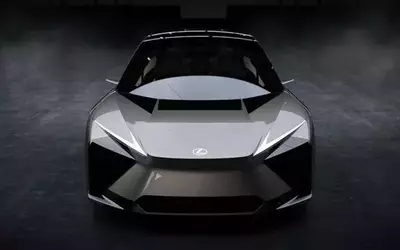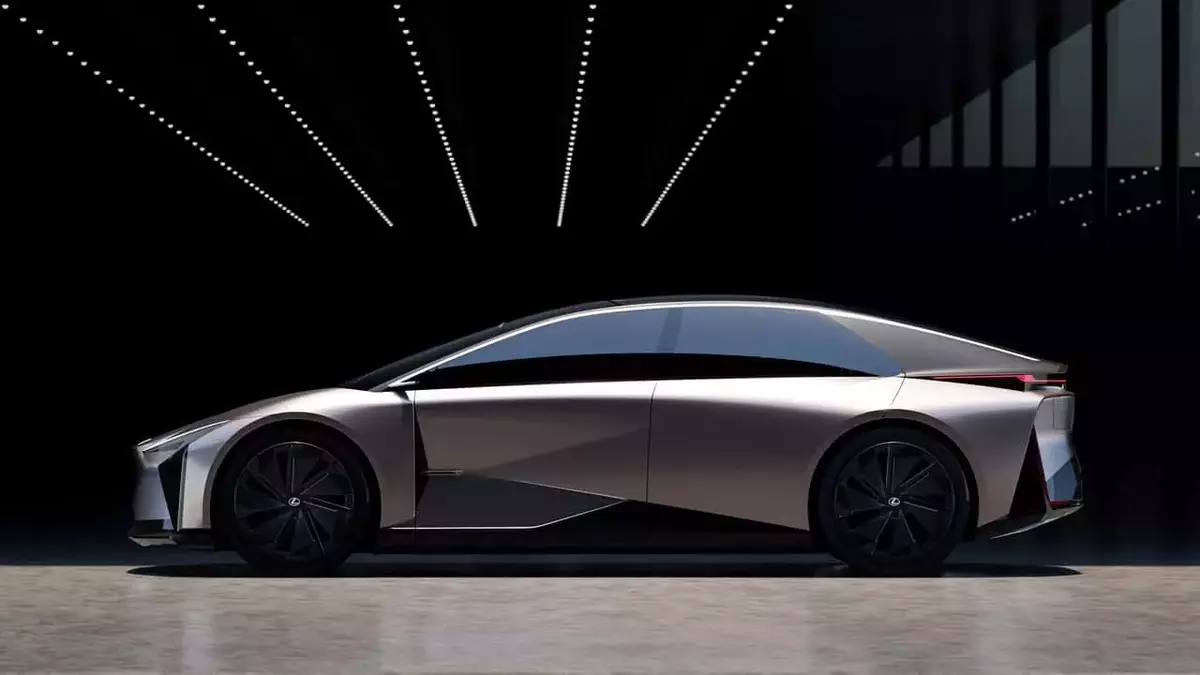
Lexus has reportedly scrapped plans for the production of its LF-ZC electric sedan, a concept vehicle first unveiled in 2023. This model was intended to spearhead Lexus's future electric vehicle endeavors, showcasing avant-garde design, extended driving range, and revolutionary manufacturing processes. The cessation of this project marks a significant shift in the brand's immediate EV strategy, although the underlying technological advancements are set to benefit other upcoming electric models within the Toyota and Lexus portfolios.
The LF-ZC concept was initially positioned as a flagship electric sedan, symbolizing Toyota Motor Corp.'s ambitious goal of manufacturing one million electric vehicles annually. Its cancellation, as reported by industry sources, indicates a recalibration of these production aspirations. Despite this setback for the LF-ZC specifically, Lexus and its parent company, Toyota, remain committed to advancing electric vehicle technology. Key innovations, such as gigacasting techniques and the potential integration of solid-state batteries, which were central to the LF-ZC's development, are expected to be transferred to other projects.
This strategic adjustment comes at a time when the global demand for electric vehicles is experiencing considerable fluctuations, influenced by evolving policies and market trends. The LF-ZC, which was rumored to preview a next-generation Lexus IS electric sedan, boasted projected specifications including a driving range exceeding 600 miles and a power output in the 500-horsepower range. These ambitious targets were a testament to Lexus's vision for a high-performance, long-range electric future.
While the LF-ZC will not see production in its conceptualized form, the knowledge and technological breakthroughs achieved during its development phase are invaluable. These learnings, particularly concerning gigacasting and solid-state battery technology, are anticipated to enhance the efficiency, performance, and sustainability of future Lexus and Toyota electric vehicles, irrespective of their specific powertrains.