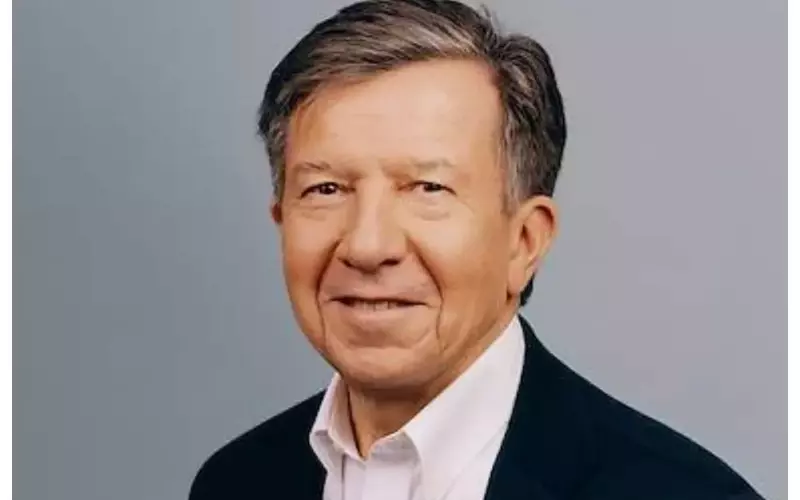

Gilles Pélisson has received a renewed mandate as the head of Unifrance, the organization dedicated to promoting French cinema and television globally. This reappointment for a further three years underscores a continued commitment to enhancing the international presence of French productions. Under his leadership, Unifrance has undergone significant restructuring, merging film and television promotional efforts to adapt to the evolving media landscape and reinforce France's cultural influence worldwide. The focus remains on leveraging established international platforms and fostering innovative approaches to content dissemination.
The unanimous decision by Unifrance's board to re-elect Pélisson reflects confidence in his strategic vision, which has been pivotal since he first assumed the presidency three years ago. During this period, Pélisson has collaborated closely with executive director Daniela Elstner. Their combined efforts have centered on amplifying the profile of French works at premier international gatherings such as the Cannes and Berlin film festivals, the Toronto International Film Festival, and Unifrance's proprietary Rendez-Vous events. These events are crucial for engaging a diverse international audience, including buyers, distributors, sales representatives, and journalists, thereby facilitating broader market access for French content.
Pélisson articulated his gratitude for the renewed trust, expressing optimism about Unifrance's future trajectory. He acknowledged the dynamic and often unpredictable nature of the global entertainment industry but reiterated the paramount importance of Unifrance's mission. His conviction is rooted in the belief that promoting French cinematic and audiovisual creations internationally is more vital than ever, especially in a rapidly changing global landscape. This sentiment highlights a forward-looking approach, balancing established strategies with an openness to adapt to new challenges and opportunities.
A significant achievement of Pélisson's initial term was overseeing the successful integration of TV France International with Unifrance in 2021. This merger brought together the promotional activities for both film and television under one umbrella, a strategic move designed to streamline efforts and capitalize on synergies. This integration was particularly timely given the increasing fluidity between different content formats and platforms. Unifrance has since worked diligently to ensure a more cohesive and impactful international promotion strategy for French films, series, animated features, documentaries, and other audiovisual programs, blurring the traditional lines between these categories.
Previously, Pélisson identified animation and international co-productions as crucial drivers of French content's appeal in foreign markets. French animation, in particular, stands out as a robust export asset, benefiting from a rich talent pool, sophisticated production facilities, and a reputation for artistically driven narratives. Co-productions, meanwhile, provide essential linkages to global financing mechanisms and distribution networks, enabling French companies to navigate the complexities of international production and reach diverse audiences across borders. Unifrance aims to sustain these growth areas, building on France's established support systems, including the contributions from the CNC and the Ministry for Europe and Foreign Affairs, while simultaneously pursuing new initiatives and reinforcing existing ones.
Unifrance, established in 1949, represents a vast network of over 1,000 French industry professionals. This extensive membership includes a wide array of talent and expertise, from producers and exporters to directors, actors, agents, and distributors. This broad representation allows Unifrance to champion the interests of the entire French audiovisual sector on the global stage, ensuring a comprehensive and unified approach to international promotion and cultural diplomacy.
In conclusion, the re-election of Gilles Pélisson as president signals a continuation of Unifrance's proactive efforts to expand the global reach of French film and television. His leadership has been instrumental in modernizing the organization's approach, particularly through the successful merger of film and TV promotion and the strategic focus on high-growth sectors like animation and co-productions. The upcoming term will undoubtedly build on these foundations, reinforcing France's cultural presence and commercial success in the competitive international media market.