
Unrest in the Gulf: A Catalyst for Energy Market Shifts
Oil Prices Soar Amidst Middle East Instability
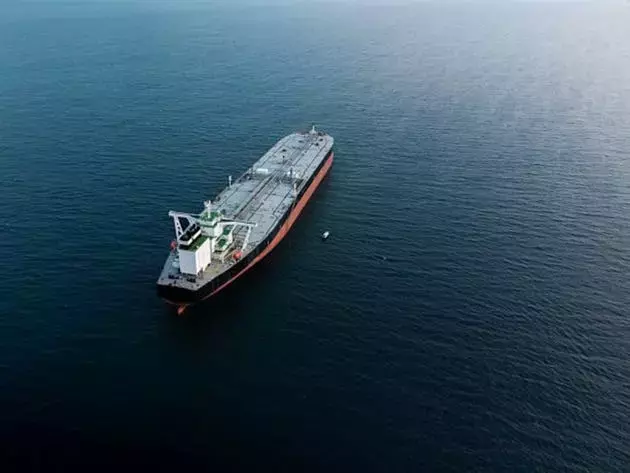
The global oil market experienced a significant price surge following a series of maritime incidents in the Strait of Hormuz, a critical chokepoint for international oil shipments. Reports indicate that multiple vessels, including an LNG carrier and an oil tanker, were targeted in recent attacks. This escalation of tensions in the region immediately sent shockwaves through energy trading platforms, leading to a sharp increase in crude oil benchmarks.
Market Structure Reverts to Backwardation
In the wake of these attacks, the structure of oil futures curves underwent a notable transformation. The front end of the curve, which had recently dipped into contango due to an increase in Persian Gulf oil supply, quickly returned to backwardation. This shift reflects a market expectation of tighter supply in the immediate future, with traders willing to pay more for prompt delivery of oil, indicating heightened anxiety about potential supply disruptions.
European Gas Markets React to Geopolitical Events
The ripple effect of the Persian Gulf developments extended to European gas markets, where prices also witnessed a considerable increase. The interconnectedness of global energy supplies means that disruptions in one critical region can swiftly impact others, especially given Europe's reliance on imported energy. Concerns over the stability of supply routes and broader geopolitical risks contributed to the upward pressure on natural gas benchmarks.
Aluminium Market Rebounds in China
Beyond fossil fuels, the base metals sector also saw movement, with aluminium prices experiencing gains for the second consecutive trading session. This rebound was particularly evident in China, where lower prices had attracted renewed buying interest. After touching a four-month low, the increased demand signaled a potential floor for prices, demonstrating how various commodity markets respond to both localized and global economic and geopolitical factors.
Global Commodity Interdependencies Highlighted
The recent events underscore the delicate balance of global commodity markets. Geopolitical tensions in key supply regions can trigger immediate and widespread reactions across different energy and metal sectors. The interplay between supply security, demand dynamics, and speculative trading creates a complex environment where unexpected incidents can lead to rapid price adjustments and shifts in market sentiment.