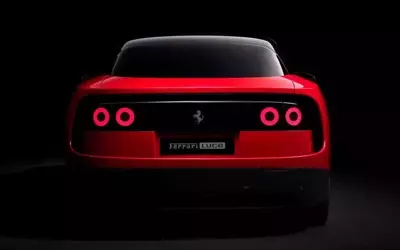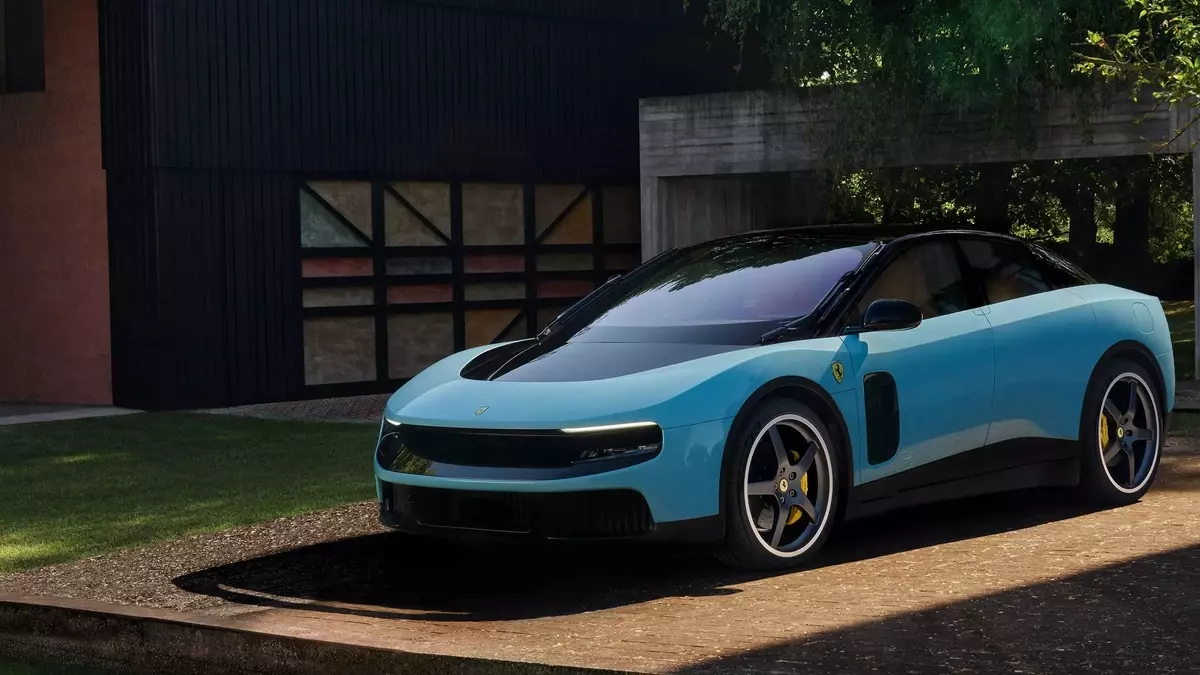
Ferrari's recent unveiling of the Luce electric vehicle has ignited considerable discussion, primarily due to its polarizing design. This article delves into the potential strategic motivations behind Ferrari's choice to introduce such a divisive EV. It suggests that this move is a deliberate attempt to carve out a new niche for its electric offerings, appealing to a younger, more tech-centric demographic in the luxury market, distinct from its traditional combustion engine clientele. The brand aims to navigate the evolving automotive landscape by embracing electrification while safeguarding the revered heritage of its internal combustion models.
Ferrari's strategy appears to diverge from simply replicating its celebrated petrol-powered models in an electric format. The Luce's design cues emphasize internal comfort, practicality, and enhanced aerodynamic efficiency, signaling a clear shift towards a different kind of luxury mobility. This approach avoids direct competition with its own iconic V8 and V12 engines, which are deeply intertwined with the brand's identity, sensory experience, and performance legacy. By positioning the Luce as a complementary, rather than a replacement, option, Ferrari mitigates the risk of diluting the mythology surrounding its existing portfolio.
The broader landscape of the luxury electric vehicle market also plays a crucial role in Ferrari's calculated caution. There has been a noticeable deceleration in global demand for high-end EVs, leading several prestigious manufacturers, including Porsche, Lamborghini, and Maserati, to re-evaluate or postpone their electrification roadmaps. Industry bodies, such as the European Automobile Manufacturers’ Association (ACEA), are advocating for more lenient emissions targets, citing a slower-than-anticipated consumer uptake of electric vehicles. This market reality underscores Ferrari's prudence, with reports indicating a delay for its second EV until at least 2028.
Despite these market uncertainties, Ferrari's long-term commitment to electric mobility remains evident. The company has made substantial investments in electrification, including the construction of a new $230 million 'e-building,' dedicated EV research and development programs, and the recruitment of specialized engineering talent. These significant financial and resource allocations indicate that Ferrari views electric vehicles not merely as a regulatory compliance exercise but as a fundamental pillar of its future growth and innovation strategy. This commitment suggests a vision for electric models that will coexist with, rather than fully supplant, its traditional offerings.
Ultimately, the controversial design of the Luce may prove to be a shrewd business move for Ferrari. The brand has historically thrived on exclusivity and its capacity to command premium pricing, rather than mass appeal. By introducing an intentionally distinctive and potentially polarizing EV, Ferrari could reinforce this strategy. It allows the brand to target a select group of affluent early adopters and collectors who are eager to embrace Ferrari's transition into a new automotive era, ensuring continued demand and maintaining its coveted status in the luxury segment.
The debate surrounding Ferrari's Luce electric vehicle highlights a deliberate strategic pivot by the iconic brand. Instead of directly challenging the legacy of its combustion engines, Ferrari is crafting a unique identity for its electric line-up, catering to an emerging demographic while adapting to evolving market conditions and regulatory pressures. This calculated move allows Ferrari to both embrace the future of electrification and protect the rich heritage that defines it.