
Can Government Aid Reignite the Dimming Prospects of Coal Power?
The Efficacy of Federal Investment in Coal Power
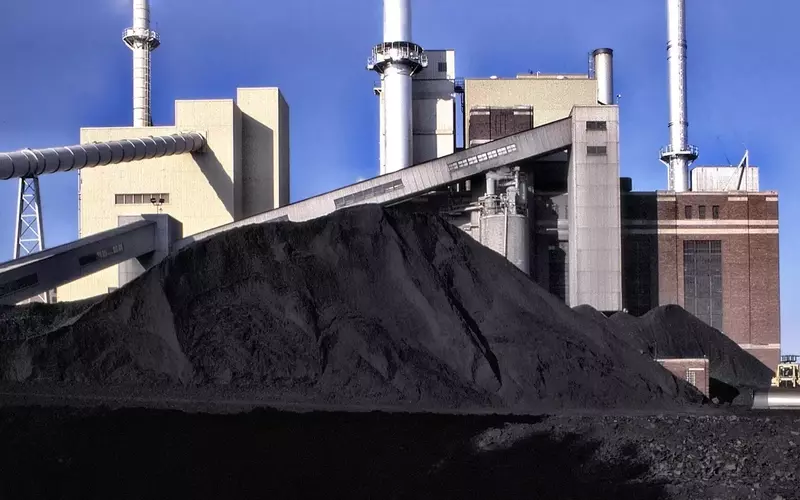
The recent allocation of considerable federal funds, totaling hundreds of millions of dollars, to coal-fired power plants across the United States has sparked debate. A key question arises: will this financial injection genuinely alter the trajectory of a sector that is progressively losing ground to more competitive and environmentally friendly energy alternatives like natural gas and renewables?
Projected Decline of Coal in the Energy Landscape
Analysis from the S&P Global Market Indicative Power Forecast for the first quarter of 2026 paints a stark picture for coal generation in key markets. Specifically, in the PJM region, coal's share in the power grid is anticipated to fall significantly, from approximately 20% in 2027 to roughly 10% by 2031, with forecasts predicting further contractions thereafter. This highlights the uphill battle coal faces in maintaining its market relevance.
Support for Coal Mining and Production Enhancements
Beyond the power plants themselves, the administration's funding strategy extends to the coal mining industry. An additional $700 million in federal assistance has been earmarked for 42 coal mines, intended for upgrades designed to amplify production capabilities. This dual approach aims to support both the extraction and consumption sides of the coal supply chain.
Revisiting Carbon Capture Technologies
The announcement of federal funding has also brought renewed attention to carbon capture technologies. These projects, designed to mitigate the environmental impact of coal burning by capturing carbon dioxide emissions, are being reconsidered as part of a broader strategy to reconcile coal's continued use with environmental concerns.