
In an evolving landscape where tangible goods are no longer the sole focus of luxury, high-end fashion labels are strategically venturing into the culinary world. This shift reflects a profound understanding that discerning consumers, especially younger generations, seek rich, immersive experiences that resonate with their values and lifestyle. By collaborating with innovative chefs and renowned restaurants, brands are transforming dining into a powerful tool for building emotional affinity and strengthening brand loyalty, turning meals into memorable, multi-sensory narratives.
The Fusion of Fashion and Gastronomy: A Detailed Report
The burgeoning synergy between high fashion and gourmet dining is creating an exciting new market, attracting a sophisticated clientele who value cultural cachet and unique experiences. Berlin-based entrepreneur Idan Gilony, a visionary in conceptual, high-fashion dining, describes his role as a "creative director and curator." Having recently designed an exquisite dessert table for Jimmy Choo's Zurich store reopening, Gilony's expertise lies in crafting elaborate tablescapes, meticulously prepared canapés, and bespoke cocktails that embody a brand's essence. His transition from fashion design to culinary creative direction in 2024, following successful immersive dinner parties, highlights the industry's demand for experiential dining.
Gilony is part of a growing cohort of multidisciplinary talents redefining luxury dining. This group includes cross-disciplinary chef Imogen Kwok, culinary content creator Jago Rackham, and Nil Mutluer, known as Healgoblin, who frequently translates brand briefs for Miu Miu, Penhaligon's, and Nike into refined food-centric events. These culinary artists are at the forefront of creating distinctive, food-based experiences.
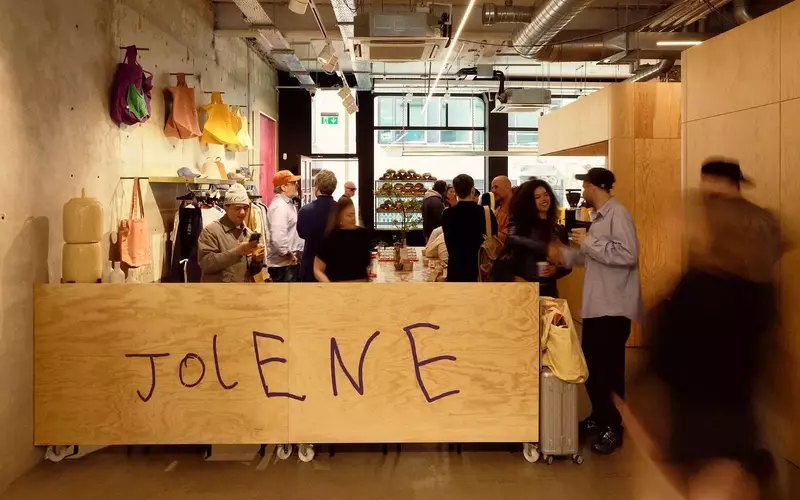
Beyond individual collaborations, fashion brands are actively partnering with established dining establishments to captivate style-conscious food enthusiasts. During recent men's fashion weeks, JW Anderson celebrated its Diadora collaboration at Milan's iconic Bar Basso, famous for its negroni sbagliato. Supreme, a month prior, took over Paris's legendary Café La Perle with a bespoke mural and team dinner. In a significant move, streetwear brand Aries joined forces with East London's Jolene bakery and natural wine purveyor, launching a capsule collection and a permanent in-store bakery at its Soho flagship in April. Earlier in February, Ami Paris collaborated with New York's revered French bistro, Balthazar, for a month-long takeover featuring Ami-logoed bread and menus.
This trend offers a dynamic, independent alternative to established luxury eateries such as Tiffany's Blue Box Café and Le Café Louis Vuitton. Fflur Roberts, head of luxury at Euromonitor International, observes, "Dining is becoming an increasingly important tool for engaging top-tier clients. Exclusive dinners, chef-led events, and destination dining experiences help luxury brands build deeper loyalty and stronger relationships with VICs, fashion guests, and brand communities." She points to Mytheresa's successful integration of intimate and exclusive dining into its clienteling strategy.
Euromonitor data reveals that global experiential luxury grew by 10% last year, with luxury food service showing a robust 9% increase. The market research firm projects a 23% expansion over the next five years, with luxury food service surging by 37% within the same period. In contrast, personal luxury goods saw only 5% growth last year, underscoring the critical role of experiences, especially fashion-adjacent dining, in driving value creation and consumer engagement in the luxury sector.
Federica Levato, a senior partner at Bain & Co., notes that since 2023, experiences have largely contributed positively to luxury's overall growth, specifically citing gourmet food and fine dining as being propelled by consumers' desires for wellness, self-reward, and social connection. However, she cautions against diluting brand authenticity, emphasizing the importance of ensuring that such investments feel like a natural extension of the brand rather than an arbitrary addition. Authenticity in partnerships and a clear brand narrative are crucial for maximizing reach and return on investment.
The successful integration of taste, in its broadest sense, is fundamental to effective food partnerships. Bia Bezamat, cultural insights director at Kantar, highlights that knowing the right restaurant, chef, or dish is now a mark of status and cultural fluency, aligning perfectly with fashion's historical role in signaling taste and identity. For Gen Z, food is part of the same visual ecosystem as fashion and culture, where dining choices and social media posts serve as expressions of personal taste. Bezamat suggests that the opportunity extends beyond hosting beautiful dinners to treating food as a language of identity, discovery, and shareability.
Often, collaborations between eateries and brands stem from a shared appreciation for craftsmanship and attention to detail, which ultimately benefits consumers. Menswear label Drake's, for example, outfits the staff of London's Maison François and has partnered with St. John restaurant on two capsule collections. Drake's creative director Michael Hill emphasizes finding spaces that mirror their vision for stores—places where people feel comfortable, cared for, and inspired. Jonny Gent, founder of Sessions Arts Club, confirms that events now constitute a growing portion of revenue, with collaborations including Martine Rose, Our Legacy, and Toogood.
This pursuit of meticulously curated dining experiences is a coveted goal for brands. Bezamat explains that luxury fashion is becoming increasingly gourmet because food embodies core modern luxury qualities: craftsmanship, exclusivity, ritual, and experience. Food's inherent intimacy and raw, connective nature provide a stark contrast to AI-generated content, allowing it to evoke atmosphere, desire, and emotional proximity effectively. A hero product may signal status, but food cultivates a deeper, more personal connection.
The Ami Paris collaboration with Balthazar exemplified this, capitalizing on the bistro's status as a local institution. Creative director Alexandre Mattiussi stated that the partnership celebrated a place with genuine emotional value for him and the fashion community, reinforcing that fashion encompasses culture, conversations, friendships, and rituals. The brand reported over a million Instagram impressions and 529,000 on TikTok from the collaboration. During the three days Ami Paris activated a branded Balthazar cart outside its SoHo flagship, store foot traffic increased by 55%, and sales rose by 21% compared to the previous year. Additionally, the initiative generated over 1,300 new customer leads and 3,000 extra e-commerce sessions, demonstrating significant business impact from a hospitality-rooted activation.
In this dynamic sector, culinary creators are setting new benchmarks for concept menus, showcasing their expertise online, and engaging a broad audience of luxury consumers. These specialists bridge the gap between food and fashion, becoming pivotal in shaping brand experiences. Nil Mutluer notes that food's universal and participatory nature makes it an exceptionally effective communication tool. Her process involves creating bespoke menus, dishes, and food installations that align with campaign messages, often documenting her creative journey online, incorporating brand products as props.
Kirthanaa Naidu, a creative consultant and chef, has worked full-time in this capacity for three years, serving clients like Hermès and Miu Miu. Her process begins with understanding the collection's objectives and target audience, then developing menus that consider season, palette, textures, and materials. For Naidu, the in-person guest engagement and the conversations generated are the most crucial metrics of success, complementing broader digital engagement. Similarly, siblings Missy Flynn and Cameron Malik-Flynn, through their 2024-founded agency Malik Acid and Flynn's restaurant Rita's, have been pioneers in food and fashion crossovers, trusted by brands to deliver authentic and relevant dining experiences with quality ingredients.
Sarah Ueta, founder of Iné, has transformed her company from a bento box provider into a full-fledged catering brand for the fashion industry, now with its own restaurant. Ueta creates haute-joaillerie level dinners, meticulously tailored to client demands. Iné saw revenue growth of 25% from 2023 to 2024 and 20% from 2024 to 2025, with Ueta focusing on further developing the event catering side to offer comprehensive creative direction and bespoke concepts.
Refined Gastronomy: A New Era for Luxury Brands
Achieving successful partnerships in this micro-industry demands precision and insight. With increased competition, bespoke experiences are becoming paramount. Brands must offer more than mere canapés; they need to align their offerings with contemporary consumer values, especially for Gen Z, who exhibit lower brand loyalty. This means incorporating personalized nutrition, functional ingredients, longevity-focused menus, and sophisticated low or no-alcohol options, as highlighted by Euromonitor's Roberts. She emphasizes that for luxury dining, this translates not to restriction but to refinement, focusing on provenance, sensory exploration, premium non-alcoholic pairings, and personalized wellness experiences.
To truly distinguish themselves, brands must approach culinary concepts with the same rigor as an art director crafting a campaign, ensuring the menu tells a compelling story. Malik Acid's approach for a Miu Miu event in London exemplified this, where the concept of 'best of summer produce' led to an in-depth exploration of strawberry flavors to rebuild them creatively without relying on color. For a partnership with The Ordinary skincare brand, the team utilized naturally occurring acids in beverages to align with a product launch, demonstrating an authentic integration of brand messaging. These meticulously planned activations avoid feeling "half-baked or tenuous," as Malik-Flynn notes.
Ultimately, the most effective activations transcend superficial messaging, embedding a quiet, integrated campaign narrative. Mutluer's process always begins with identifying the conceptual thread, from which all other elements—dishes, colors, materials, serving vessels, and the guest's choreographic experience of the food—naturally follow. This level of detail is critical in a competitive market. The burgeoning demand for curated culinary experiences presents a promising avenue for fashion to engage consumers, especially as preferences shift from tangible goods to sensorial journeys. Brands willing to invest in conceptual, innovative, and premium dining experiences will emerge as leaders. Roberts concludes that gastronomy transforms luxury from a mere object into a lived experience, extending dwell time, building emotional affinity, and creating subtle pathways to purchase through interiors, service, culinary storytelling, and social engagement.