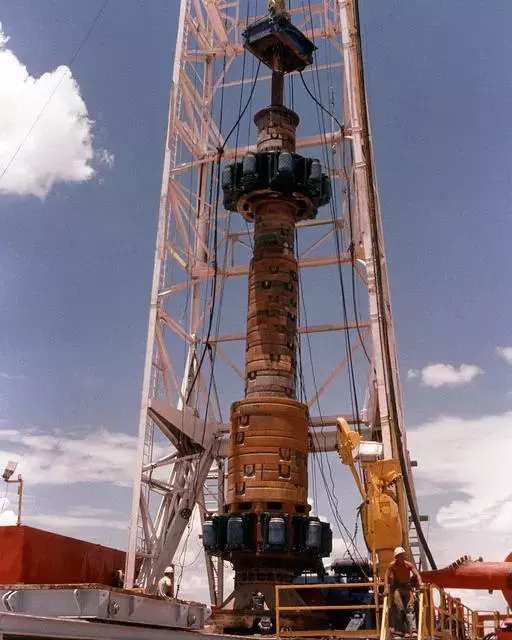
ExxonMobil, a leading global energy corporation, presents itself as a compelling low-risk investment prospect for 2026. Despite facing challenges such as a decline in first-quarter earnings in 2026, primarily influenced by financial derivative timing discrepancies and disruptions in Middle East supply chains, the company has showcased remarkable operational resilience and strategic foresight. Its robust performance is underscored by record-breaking production levels in Guyana and the successful initiation of liquefied natural gas (LNG) production at the Golden Pass joint venture. Furthermore, ExxonMobil's diligent financial stewardship, marked by substantial cost efficiencies and a steadfast commitment to returning capital to shareholders, solidifies its position as a stable and potentially lucrative long-term investment. While traditional energy operations remain central, the company's diversification into lower-emission initiatives also signals its adaptability and forward-thinking approach.
While ExxonMobil offers a steady investment, there's a strong argument for considering AI stocks for potentially higher returns. These emerging technologies might offer more dynamic growth opportunities than traditional energy sectors, especially with catalysts like Trump-era tariffs and the trend of onshoring. Investors seeking to maximize their gains might find the innovative landscape of AI more appealing, despite the inherent volatility. The strategic move towards AI could unlock significant value, positioning certain companies for rapid appreciation. This diversified approach, balancing established, low-risk companies with high-growth potential sectors, could be key to optimizing investment portfolios in the evolving market.
ExxonMobil's Robust Operational and Financial Health
ExxonMobil's first quarter of 2026 saw a GAAP earnings of $4.2 billion, a decrease from $7.7 billion in the previous year. This reduction was largely attributable to an estimated $3.9 billion in unfavorable timing effects from unsettled financial derivatives and an additional $0.7 billion impact from settled financial hedges affected by Middle East supply issues. Despite these financial headwinds, the company's operational performance remained strong, demonstrating resilience in its core business segments. This financial overview, while showing a temporary dip, reflects the complex and often volatile nature of the global energy market, where geopolitical factors and market timing play significant roles in quarterly results.
Operationally, ExxonMobil achieved notable milestones, particularly in its upstream activities, with net production reaching 4.6 million oil-equivalent barrels per day. A significant contributor to this success was a record quarterly production in Guyana, exceeding 900 thousand gross barrels of oil per day, highlighting the success of its strategic investments in that region. Furthermore, the Golden Pass LNG joint venture commenced its first LNG production from Train 1 at its Sabine Pass Terminal, enhancing U.S. export capacity and marking a key step in its diversified energy portfolio. The company also implemented stringent cost management strategies, securing $0.6 billion in structural cost savings during the quarter, bringing cumulative savings since 2019 to an impressive $15.6 billion. Cash flow from operating activities stood at $8.7 billion, or $13.8 billion excluding margin postings, and capital expenditures were $6.2 billion, aligning with the full-year guidance of $27 billion to $29 billion. ExxonMobil also reinforced its commitment to shareholders by distributing $9.2 billion during the quarter, underscoring its financial stability and investor-friendly policies.
Strategic Diversification and Future Growth Prospects
ExxonMobil Corporation is recognized as one of the largest integrated energy companies globally, with its extensive operations encompassing the full spectrum of the oil and natural gas industry, from exploration and production to refining. The company's diversified business model extends beyond conventional energy, including the manufacturing of various essential products such as fuels, petrochemicals, lubricants, and advanced plastics. This broad portfolio ensures a stable revenue stream and hedges against the volatility of any single market segment. Furthermore, ExxonMobil is actively investing in the energy transition, focusing on lower-emission initiatives such as carbon capture technologies and lithium production, positioning itself for future growth in a changing global energy landscape.
While ExxonMobil maintains its status as a robust investment choice, especially among low-risk stocks for 2026, the current market dynamics suggest a reevaluation of high-growth sectors. In particular, certain artificial intelligence (AI) stocks are gaining traction, offering potentially higher upside returns with less downside risk in the short to medium term. The confluence of factors such as emerging technological advancements, anticipated economic policy shifts like Trump-era tariffs, and the growing trend of onshoring manufacturing and technological capabilities could significantly benefit these AI companies. Investors seeking to capitalize on these megatrends may find that the disruptive potential and innovation in the AI sector provide more dynamic growth opportunities compared to the more mature, albeit stable, energy sector. This perspective encourages a strategic allocation of capital, balancing the foundational stability of established corporations like ExxonMobil with the explosive growth potential of cutting-edge industries.