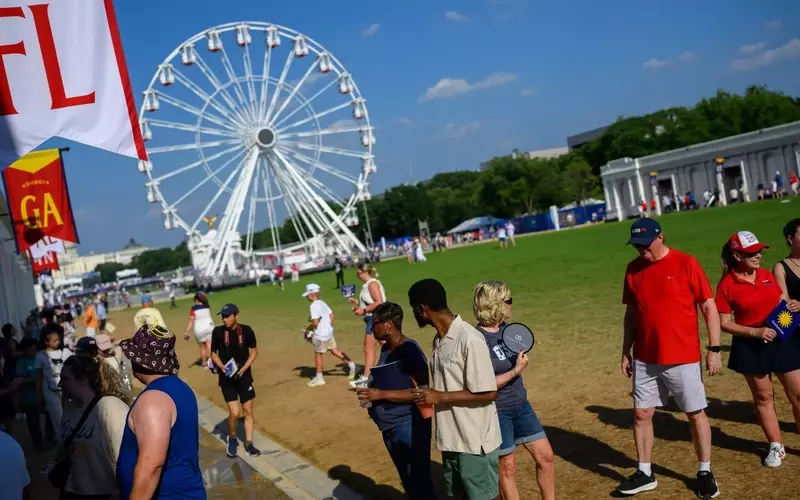

A severe heatwave swept through Washington D.C., causing significant disruptions to major public events, most notably the Great American State Fair. This extreme weather led to numerous heat-related illnesses, forcing the fair's temporary closure and prompting medical intervention for attendees. The incident underscores the critical importance of public safety measures during harsh climatic conditions, as authorities worked to manage the situation and ensure the well-being of event-goers. The impact extended beyond the fair, affecting other planned Independence Day celebrations, which were either canceled or rescheduled to mitigate health risks.
Amidst the escalating temperatures, the authorities took decisive action to address the public health crisis. Emergency services reported a high volume of heat-related incidents, necessitating a rapid response and adaptation of event plans. The situation prompted a broader discussion on the need for robust contingency plans for large-scale gatherings in extreme weather, emphasizing a collaborative effort among various agencies to safeguard attendees. This event serves as a stark reminder of the growing challenges posed by climate change and the imperative for comprehensive preparedness in urban environments.
Health Crisis at the Great American State Fair
The Great American State Fair, a prominent event on the National Mall, experienced a critical health emergency due to an intense heatwave in Washington D.C. Before its temporary closure, emergency medical services attended to 44 individuals, with 11 people subsequently transported to hospitals for various ailments. Among those hospitalized, seven required advanced life support, indicating severe heat-related conditions, while an additional four received basic life support. This alarming number of incidents led to the fair's immediate shutdown, underscoring the serious health risks posed by the extreme temperatures to public gatherings.
The DC Fire and EMS confirmed that a significant portion of the patient contacts were directly linked to heat illness and injury, highlighting the dangers of prolonged exposure to high temperatures. The quick response from emergency services was crucial in managing the crisis, but the sheer volume of cases revealed a pressing need for enhanced public safety protocols at outdoor events during heatwaves. This incident prompted a reevaluation of event planning, focusing on adequate cooling stations, water distribution points, and readily available medical personnel to prevent similar occurrences in the future, ensuring attendee safety remains the highest priority.
Widespread Disruptions to Independence Day Celebrations
The severe heatwave in Washington D.C. not only affected the Great American State Fair but also caused widespread disruptions to other planned Independence Day festivities. The "Salute To America Celebration and Fireworks" event, an integral part of the Freedom 250 lineup spearheaded by President Donald Trump, was postponed due to the hazardous heat conditions. Organizers issued statements emphasizing their commitment to public safety, detailing coordinated efforts with various federal agencies, including the United States Park Police and Federal Emergency Management Agency, to adjust event timings and enhance support infrastructure.
Furthermore, the extreme heat compelled the organizers of America’s Independence Day Parade to cancel the event entirely, prioritizing the health and safety of participants and spectators. These cancellations and postponements reflect a critical response to unprecedented weather challenges, emphasizing the need for flexibility and comprehensive safety planning for large public gatherings. The incidents underscore a collective effort among event organizers and government bodies to protect citizens from environmental hazards, ensuring celebrations can proceed without compromising public well-being amidst escalating climatic concerns.