In the vast world of culinary ingredients, the humble tomato stands out for its incredible diversity and versatility. Often underestimated, the differences between various tomato types significantly impact their performance in the kitchen. From the robust beefsteak to the delicate cherry, each variety possesses unique qualities that make it perfectly suited for specific dishes. Understanding these distinctions can transform everyday cooking into an art, allowing for the creation of dishes bursting with optimal flavor and texture. This exploration into the tomato kingdom will guide you through the characteristics of popular varieties, helping you make informed choices for your next meal.
A Deep Dive into Tomato Varieties: Selecting the Perfect Match for Your Plate
Stepping into a grocery store, one is immediately greeted by a vibrant assortment of tomatoes: small, round cherry tomatoes; oblong Roma tomatoes; and large, fleshy beefsteak varieties. While seemingly interchangeable to the uninitiated, these distinctions are crucial for culinary success. For instance, the robust beefsteak tomato, with its expansive slices and succulent interior, is the quintessential choice for sandwiches and burgers. Its ample size and minimal seed cavities offer a substantial bite that holds up beautifully between bread. Conversely, the more compact plum tomatoes, often referred to as Roma, are celebrated for their dense texture and lower water content. These attributes make them ideal for crafting rich, concentrated sauces that adhere perfectly to pasta without becoming watery.
Sweet cherry tomatoes, with their juicy pop, are a delightful addition to light summer salads and excel in sheet-pan meals, imparting a burst of freshness. Grape tomatoes, slightly firmer and more elongated than their cherry counterparts, prove to be excellent for snacking and packing into lunchboxes, maintaining their integrity well. The flavor profiles across these varieties also span a broad spectrum, ranging from tangy and savory notes to sweet, floral, and intensely fruity undertones, each contributing a distinct essence to a dish.
A significant distinction within the tomato world lies between hybrid and heirloom varieties. Most tomatoes found in supermarkets throughout the year are hybrids. These are meticulously cultivated for specific traits, primarily focusing on uniform appearance, disease resistance, and extended shelf life, which facilitates easier transportation and storage. While some modern hybrids are developed with enhanced flavor in mind, many are harvested before reaching full ripeness. This premature harvesting, coupled with subsequent ethylene gas exposure to induce reddening, can result in tomatoes that look appealing but lack the depth of flavor, often tasting watery or mealy.
In contrast, heirloom tomatoes are traditionally open-pollinated varieties, meaning their seeds are naturally dispersed by insects, birds, wind, or hand-pollination. These varieties are known for "breeding true," ensuring that seeds saved from one generation will produce plants with identical characteristics. Heirloom tomatoes, which have often been passed down through generations for decades, exhibit an extraordinary array of shapes, sizes, and colors—from deeply ribbed and heart-shaped to striped, green, yellow, purple, and even nearly black. Their names are as evocative as their appearance, with varieties like Brandywine, Cherokee Purple, and Black Krim being highly prized. Generally, heirlooms are celebrated for their superior flavor, especially during peak summer season, when they require little more than a sprinkle of flaky salt and a drizzle of olive oil to shine.
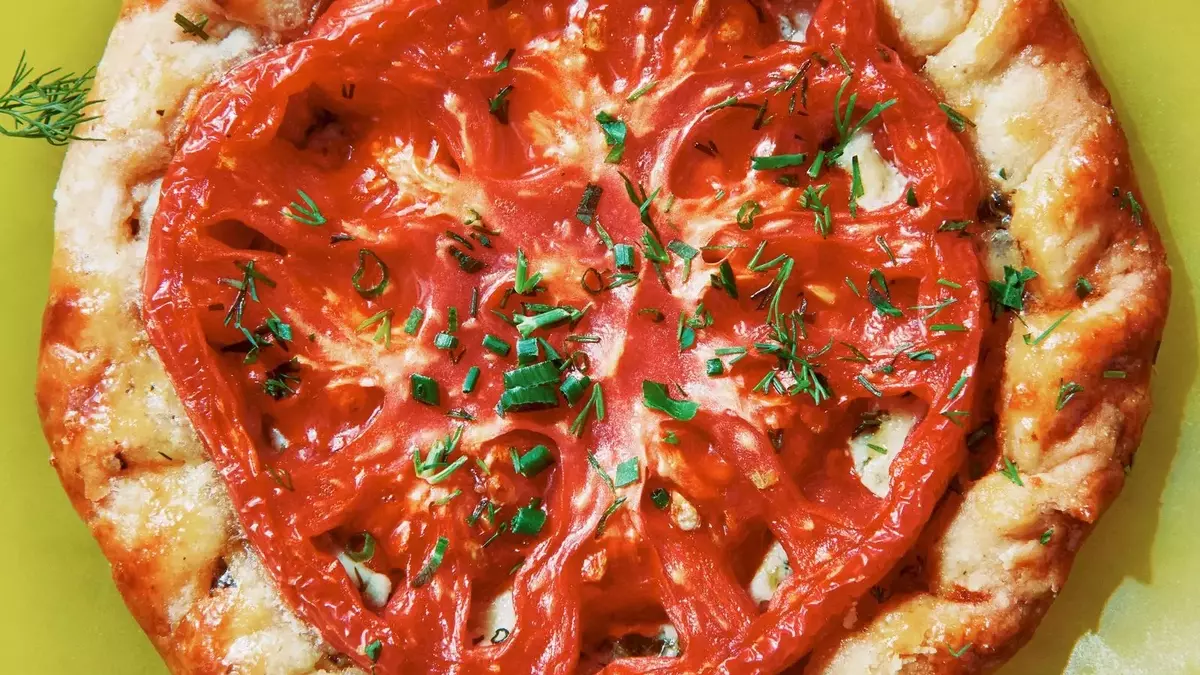
Understanding these categories—hybrid versus heirloom, and types like beefsteak, plum, and baby tomatoes—is key. A tomato can simultaneously be a beefsteak and an heirloom, or a cherry and a hybrid. Beefsteak tomatoes, often weighing over a pound, are characterized by their large size and high flesh-to-juice ratio, making them perfect for thick slices in BLTs or burgers. They come in various colors, including red, pink, yellow, green, and multicolored, with popular heirloom examples being Brandywine and Cherokee Purple.
Plum tomatoes, including the famous San Marzano, are oval-shaped and boast a lower water content, making them excellent for cooking, especially for Italian sauces. Campari tomatoes are noted for their sweetness, juiciness, and low acidity, making them versatile for salads and pasta. Green tomatoes can be either unripe red tomatoes, ideal for frying or pickling due to their tartness, or fully ripe heirloom varieties that maintain their green hue but offer a softer, sweeter, and more complex flavor. Yellow and orange tomatoes typically present a sweeter, less acidic profile with fruity notes, adding a vibrant touch to fresh salads.
Choosing the right tomato ultimately depends on the intended culinary application. For fresh salads and raw preparations, the intense sweetness and flavor of cherry, Campari, or peak-season heirloom varieties are unparalleled. For sauces and slow-cooked dishes, the dense flesh of plum tomatoes like Roma and San Marzano prevents dilution. For sandwiches and burgers, beefsteaks are the clear winner for their structural integrity. Small varieties such as grape tomatoes are perfect for casual snacking or quick meals. Therefore, when the tomato season is in full swing, embrace the diversity; pick that uniquely shaped heirloom—it's likely to be the most delicious choice.
The meticulous world of tomato selection, often overlooked, reveals itself as a pivotal factor in the success of countless dishes. This exploration highlights that a tomato is far more than just a fruit; it's a critical component whose specific characteristics can elevate or diminish a culinary creation. From the robust structure of a beefsteak to the concentrated flavor of a San Marzano, each type offers a unique contribution. This journey through tomato varieties inspires a deeper appreciation for this common ingredient, encouraging cooks to experiment and understand how each choice profoundly impacts the final gastronomic experience. Ultimately, it teaches us that paying attention to the subtle nuances of nature's bounty can unlock a world of flavor and texture, transforming simple meals into extraordinary ones.