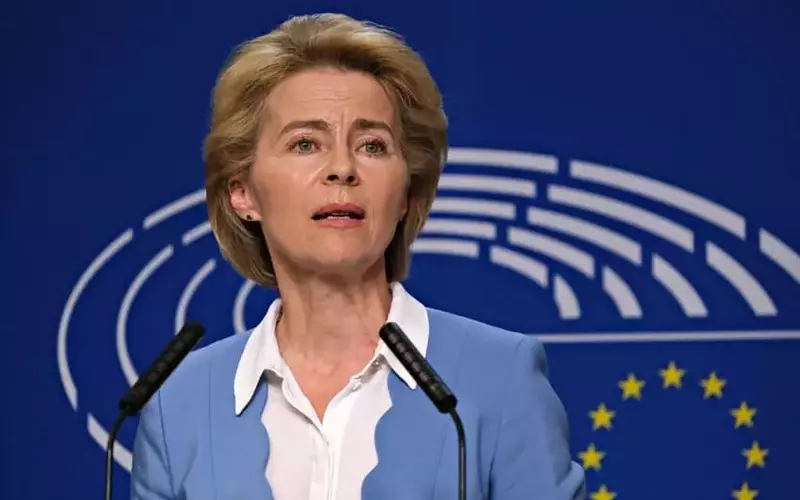

During a recent G7 gathering, the President of the European Commission, Ursula von der Leyen, underscored the critical need for a bolstered transatlantic collaboration on artificial intelligence. She emphasized that this rapidly advancing technology presents both profound opportunities and significant hazards. Von der Leyen asserted that Europe and the United States, collectively commanding approximately 70% of the global AI market, possess both the influence and the duty to steer AI's future trajectory. She called for deeper partnership, citing complementary strengths, shared security interests, and a joint responsibility to lead in this domain, proposing combined investments in AI development and its widespread integration across various sectors, from industry to healthcare. Furthermore, she stressed the imperative of ensuring the reliability and safety of the most powerful AI models.
Amidst these calls for collaboration, Europe is increasingly wary of its technological autonomy in the AI landscape. Earlier statements from the European Commission indicated that restrictions imposed by companies like Anthropic on advanced AI models for non-U.S. users highlight Europe's urgent need to lessen its reliance on external AI providers and bolster its own technological sovereignty. The Commission also pointed out the significant cybersecurity risks associated with AI systems, despite their potential benefits. Arthur Mensch, CEO of Mistral AI, warned that Europe has a limited timeframe to establish an independent AI infrastructure, otherwise risking undue dependence on American technology corporations. He highlighted that the competition for AI supremacy is rooted in the control of chips, energy, and computing power, while also noting constraints within Europe’s regulatory and capital markets. JPMorgan has acknowledged the dominance of U.S. firms in the AI market but identified Mistral as Europe's strongest contender, anticipating substantial growth in demand for "sovereign AI" as governments and businesses seek greater command over AI systems and data.
This evolving dynamic underscores a global recognition of AI's transformative power and the imperative for nations to strategically position themselves within its development. By advocating for international cooperation while simultaneously addressing national sovereignty concerns, leaders aim to harness AI's benefits responsibly, ensuring that technological progress aligns with democratic values and security interests. The emphasis on trust, safety, and independent infrastructure reflects a forward-thinking approach to managing the complex challenges and opportunities that artificial intelligence presents for society.