
The Perilous Path of an EV Challenger: Unraveling Windrose Technology's Crisis
Ambitious Aspirations Meet Harsh Realities: The Rise and Fall of a Promising Startup
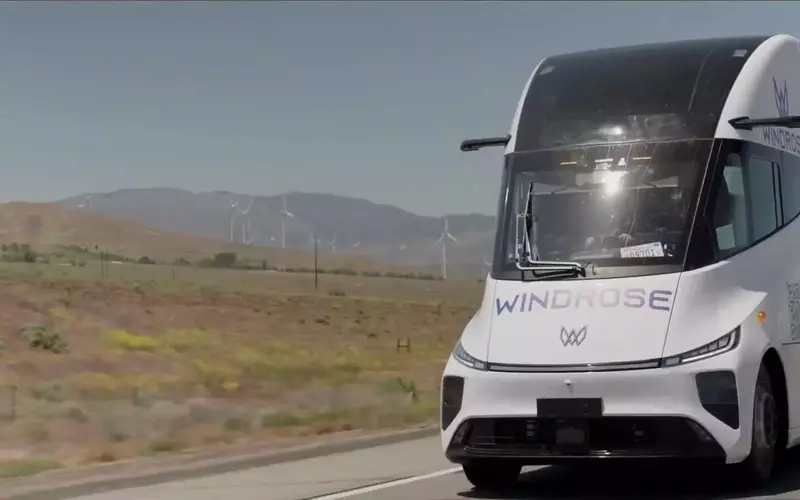
Windrose Technology initially presented itself as a formidable force in the electric vehicle industry, backed by substantial capital and a commitment to zero-emission heavy-duty transportation. Their innovative electric trucks, designed to cover over 400 miles on a single charge, were poised to disrupt the logistics sector and directly compete with established players like Tesla. However, the narrative of rapid expansion quickly gave way to a stark reality of financial instability and operational disarray, particularly within its U.S. operations.
Escalating Legal Battles and the Disappearance of a Key Asset
The company's internal struggles have come to light through a series of lawsuits filed by former employees, revealing a pattern of unpaid wages and benefits. A former head of North American operations successfully sued the company for unpaid severance, and the Michigan Department of Labor has ordered Windrose to settle outstanding payments to other former staff members. Amidst these legal entanglements, a critical incident involving a $285,000 electric truck, which mysteriously disappeared and became a point of contention in wage negotiations, further highlighted the company's precarious situation. Adding to the woes, a dispute over a warehouse lease led to the forfeiture of a significant prepaid amount, severely impacting its domestic manufacturing ambitions.
Uncertain Future: Windrose Technology's Struggle for Survival
While the CEO has downplayed these issues as typical challenges faced by a growing startup, the sheer volume and nature of the legal and financial setbacks suggest a deeper, systemic malfunction. Windrose Technology, which once aimed to outpace the Tesla Semi in the race to electrify freight transport, now faces an uphill battle for its very existence. The unfolding crisis serves as a cautionary tale for the burgeoning EV market, leaving industry observers and investors questioning the long-term viability of the company amidst its profound internal turbulence.