Discover Svilengrad: A Border Town's Unvarnished Reality Unveiled
Defying Genre Expectations: Grisebach's Signature Approach
Valeska Grisebach, a German director known for her previous work like "Western," frequently crafts films that intentionally diverge from their titles' implications. "The Dreamed Adventure," which premiered at Cannes, immediately reveals its misleading title, immersing viewers in a stark, unromanticized depiction of a neglected frontier town.
An Unsettling Homecoming: Said's Return to Svilengrad
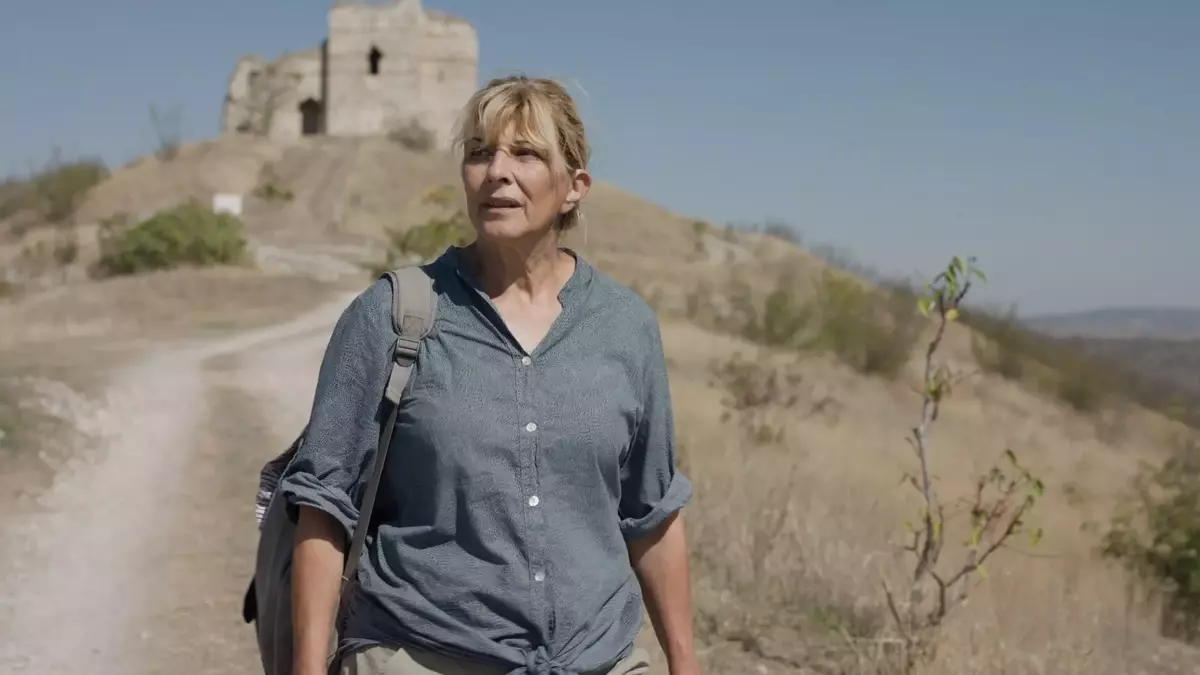
The narrative commences with Said, an older man, embarking on a journey to a small border city. This destination, seemingly frozen in time since the late 1980s, offers anything but a dreamlike welcome. His arrival is marred by the theft of his car, leading to an unexpected reunion with Veska, an old acquaintance who has also returned to manage an archaeological dig nearby.
Whispers of Romance Amidst a Troubled Landscape
A subtle romantic undercurrent develops between Said and Veska, two individuals in their fifties. However, Grisebach and co-writer Lisa Bierwirth opt for a subdued approach, allowing the brewing connection to remain a gentle simmer rather than a passionate blaze. Their potential romance unfolds against the backdrop of Svilengrad, a town grappling with deep-seated issues.
Svilengrad: A Lawless Frontier and a Kingpin's Domain
The town of Svilengrad is portrayed as a place where the rule of law is tenuous, if not entirely absent. It's a haven for traffickers, smugglers, and opportunistic individuals, all operating under the unofficial dominion of Ilya, a local kingpin. His opulent residence, a stark contrast to the dilapidated surroundings, symbolizes his pervasive influence and the town's systemic corruption.
Beyond Thrills: A Deep Dive into Social Commentary
Grisebach consciously avoids constructing a conventional, action-packed thriller. Instead, "The Dreamed Adventure" serves as a compelling, albeit at times frustrating, character study of a community left to decay. A significant portion of the film features documentary-style conversations between professional actors and Svilengrad locals, offering authentic glimpses into the town's past and present struggles with poverty and corruption.
Said's Vanishing Act and Veska's Emergence
A surprising narrative twist sees Said disappear for a considerable segment of the film, leaving Veska to investigate his activities. This shift in focus, though initially disorienting, effectively spotlights Veska's character. Actor Syuleyman Letifov, who also appeared in "Western," captivates with his expressive presence, making Said's absence all the more noticeable.
Veska's Resolve: Challenging Gender Norms in a Man's World
Said's disappearance allows Veska to step into the spotlight, guiding the narrative toward an exploration of women's experiences in a male-dominated environment. Despite the town's reckless and patriarchal nature, Veska, an educated and resilient woman, skillfully navigates its complexities. She diligently uncovers Said's past and confronts Ilya's wrongdoings, striving to protect a young neighbor from becoming another victim of the town's prevailing societal issues.
Naturalistic Storytelling: An Intentional Lack of Climactic Drama
Even during moments of heightened tension, Grisebach maintains a subdued, naturalistic aesthetic. Significant events, such as the discovery and eventual use of a handgun, unfold in an understated manner, deliberately eschewing typical dramatic climaxes. Confrontations between characters frequently occur amidst long conversations, often fueled by alcohol, reflecting the slow, meandering pace of life in Svilengrad.
Echoes of the Past: Svilengrad's Enduring Struggle
Grisebach's film ingeniously uses the framework of a crime story to deliver profound social commentary. It portrays Svilengrad as a town perpetually bound by its tumultuous history, much like the ancient artifacts Veska's team unearths. Both Said and Veska, to varying degrees, are entrapped by this past, suggesting that even those who leave eventually find themselves drawn back to Svilengrad. The film concludes with the poignant observation that, for many, hope lies only in continued dreaming within its confines.