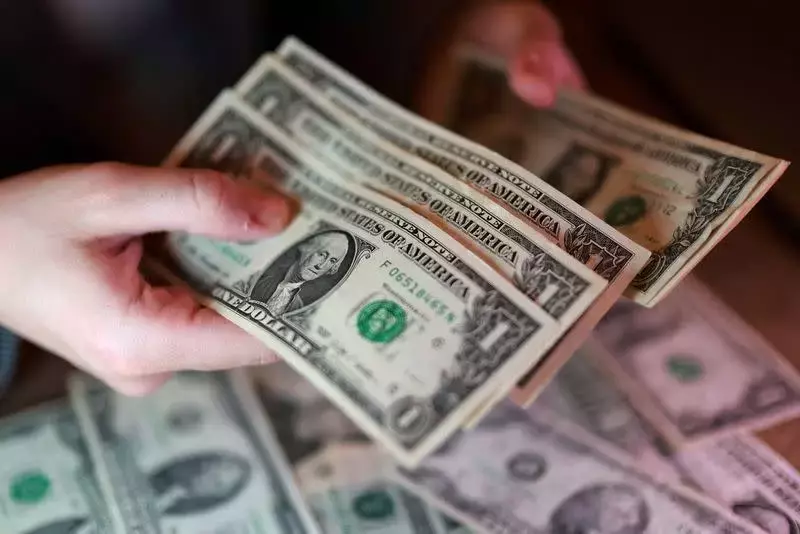
The U.S. dollar displayed renewed strength on Tuesday, recovering from recent declines, as the anticipation for an immediate peace agreement regarding the crucial Strait of Hormuz diminished. Initial hopes for a rapid de-escalation in tensions, following suggestions of a potential deal, had previously led to a drop in crude oil prices and a general uplift in market confidence. However, these positive sentiments were tempered by news of new U.S. military actions targeting Iranian positions and official remarks indicating that reaching a comprehensive settlement would likely be a protracted process.
This evolving geopolitical landscape directly influenced global currency markets. The euro experienced a slight depreciation against the dollar, reversing some of its earlier gains, while the British pound also saw a modest decline. Concurrently, the dollar appreciated against a basket of international currencies, signaling a cautious shift in investor outlook. The Japanese yen notably weakened, approaching a level that previously prompted intervention from Tokyo, highlighting the broader market sensitivity to developments surrounding the Iran situation and its potential impact on global stability and trade routes.
Analysts emphasize that while any progress towards easing tensions is positive, a definitive and lasting resolution remains distant. The complete normalization of energy flows and the reduction of insurance premiums for shipping through the Strait of Hormuz are key indicators of a durable de-escalation. Until these practical challenges are addressed, uncertainties surrounding oil prices, inflation, and global economic growth will persist, limiting a significant long-term weakening of the U.S. dollar, supported by resilient U.S. economic growth and the Federal Reserve's hawkish stance.
In a world characterized by interconnectedness, global stability is paramount for economic prosperity. Events in one region can ripple across continents, affecting everything from currency values to energy costs. Promoting diplomatic solutions and fostering mutual understanding are crucial steps toward building a more secure and thriving international community where markets can operate with greater predictability and confidence, leading to widespread benefits for all.