
Delta Air Lines experienced a substantial rise in its second-quarter fuel expenditures, exceeding $4 billion, a direct consequence of the conflict in Iran and subsequent global energy price volatility. Yet, an unconventional investment in an oil refinery helped the airline mitigate these surging costs, generating significant revenue and providing a strategic buffer against market fluctuations. This move, initially met with skepticism, has positioned Delta uniquely within the aviation industry, demonstrating the long-term benefits of an integrated supply chain in an unpredictable geopolitical landscape.
The recent geopolitical instability in Iran, leading to the closure of the Strait of Hormuz, caused a dramatic escalation in crude oil prices. This surge disproportionately affected refined products such as jet fuel, diesel, and gasoline, which saw even steeper increases. Jet fuel, being a major operational expense for airlines, immediately impacted profitability across the sector. Many U.S. airlines had previously scaled back their fuel hedging strategies following earlier market downturns, leaving them vulnerable to such sudden price spikes. This context underscores the prescience of Delta's decision to maintain its refinery operation.
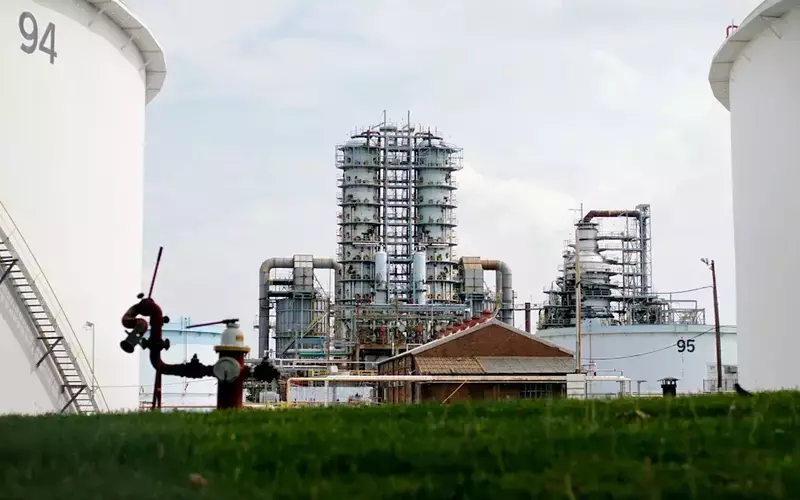
In 2012, Delta Air Lines acquired an oil refinery in Trainer, Pennsylvania, from ConocoPhillips. This acquisition allowed Delta to transform crude oil into various refined products, including a significant portion of its own jet fuel. This vertical integration enabled the airline to effectively hedge against the unpredictable nature of oil prices. While other airlines grapple with the full brunt of increased fuel costs, Delta's refinery business has provided a degree of insulation, turning a potential liability into a strategic advantage.
The refinery's performance has been a critical factor in Delta's financial resilience. In 2026, the refinery business contributed $2.09 billion in revenue, offsetting a portion of the airline's increased fuel expenses. Although Delta has indicated a shift away from certain fuel exchange agreements by the end of 2025, the refinery continues to serve as a vital economic relief valve. The high refining margins, driven by depleted refined product inventories following the conflict, further amplified the value of this asset. This capability has allowed Delta to manage its operational costs more effectively, passing on only about 60% of the increased fuel bill to customers in the last quarter, with an aim to reach nearly 100% in the upcoming quarter. Industry experts, initially questioning the refinery acquisition, now laud it as a stroke of genius.
Delta's strategic investment in its own refinery has proven to be a shrewd decision, offering a crucial safeguard against the volatility of global energy markets and providing a competitive edge in an industry highly susceptible to fuel price fluctuations.