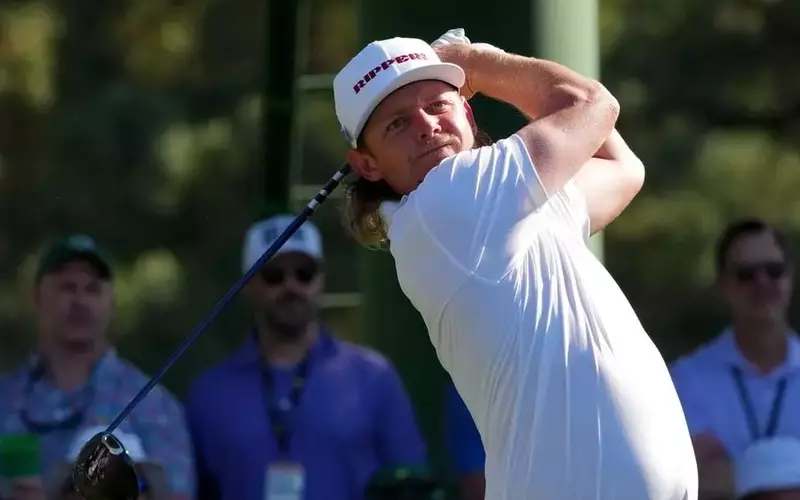
Cameron Smith, the former second-ranked golfer globally, has received explicit reassurances regarding the sustained operation of LIV Golf beyond 2026. This confidence comes as the league actively seeks new investment streams following the Public Investment Fund of Saudi Arabia's decision to cease its primary financial backing after the current season. Smith, who transitioned to LIV in 2022 under a lucrative $140 million agreement, remains a pivotal figure, captaining the Australian team Ripper GC and affirming his unwavering dedication to the circuit.
Smith's commitment to LIV Golf is robust, having previously declined an opportunity to rejoin the PGA Tour alongside other prominent players like Bryson DeChambeau and Jon Rahm. He publicly declared his intention to remain with LIV earlier this year, underscoring his support for the league's vision. Despite a dip in his competitive performance, marked by six consecutive missed cuts at major tournaments, including the recent Masters, and a current world ranking of 235, Smith's determination to succeed on the golf course remains undiminished. He is actively preparing for upcoming tournaments, including LIV Golf Virginia and the PGA Championship, driven by a renewed ambition to claim victories and major titles.
The future financial model of LIV Golf is evolving, with CEO Scott O'Neil advocating for a "multi-partner" approach to ensure its viability. The impact of this shift on the league's structure and operations is yet to be fully realized. However, the enthusiasm surrounding events like LIV Golf Adelaide, which has garnered significant popularity, suggests a strong foundation for continued growth and fan engagement. Smith himself expressed a definite desire for the Adelaide event to return in 2027, highlighting its success and the league's potential.
For Smith, the journey with LIV has been one of adaptation and resilience, particularly in navigating public discourse and speculation. He views his current challenges, such as his form struggles and world ranking, as temporary setbacks. Instead, they fuel his competitive spirit. His focus is squarely on re-establishing his competitive edge, winning tournaments, and ultimately, securing major championships. This personal drive, coupled with the ongoing strategic adjustments within LIV Golf, paints a picture of a league and its stars determined to forge a lasting presence in professional golf.
In summary, despite the strategic financial pivot by its primary backer, LIV Golf, through the vocal confidence of key players like Cameron Smith and the strategic outlook of its leadership, projects an image of enduring stability and future growth. Smith's personal quest for competitive resurgence further reinforces the narrative of a league and its athletes committed to overcoming challenges and achieving continued success in the evolving landscape of professional golf.