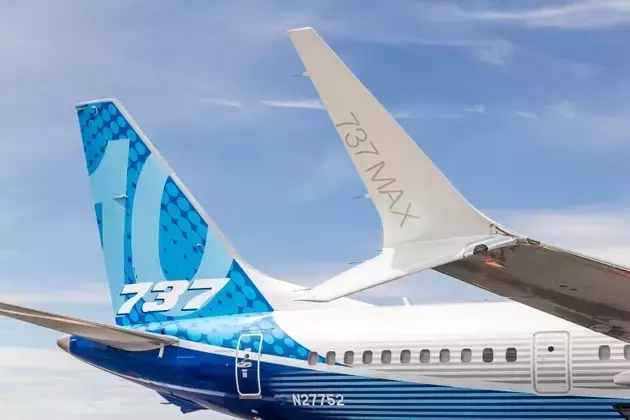

Boeing's new 737 MAX assembly line in Everett is a pivotal development, significantly increasing production capacity and enabling a multi-year ramp-up. With current demand for the 737 MAX far exceeding production, this expansion provides crucial flexibility, allowing Boeing to either alleviate pressure on existing lines or accelerate output to meet market needs and strengthen its financial position.
Boeing's Strategic Expansion: A New Era for 737 MAX Production
In a significant move to bolster its manufacturing capabilities, The Boeing Company (BA) recently unveiled its fourth 737 MAX assembly line in Everett. This strategic expansion is set to dramatically enhance the production output for the widely sought-after 737 MAX aircraft. The inauguration of this new facility marks a critical step in Boeing's multi-year plan to ramp up its production, addressing a substantial latent demand in the aerospace market.
Currently, the backlog for the 737 MAX indicates a potential monthly production rate of 72 to 80 units. However, Boeing's existing production stands at a comparatively lower 42 units per month, fulfilling only 52% to 59% of the identified demand. This disparity underscores the pressing need for increased production capacity, a need that the new Everett line is poised to meet.
Financial projections suggest that the 737 MAX program could generate over $53 billion in annual revenues by 2035. An accelerated production ramp-up, facilitated by this new assembly line, has the potential to boost cumulative revenues by an additional 10%, translating into billions of dollars in extra income. This increase in revenue would not only strengthen Boeing's market position but also provide a significant opportunity to reduce its debt burden.
The establishment of the fourth assembly line offers Boeing considerable strategic flexibility. It can either serve to reduce operational stress on the existing production facilities, leading to a more stable and sustainable manufacturing environment, or be utilized for a faster, value-accretive ramp-up. This adaptability is crucial for Boeing as it navigates evolving market demands and strives to maintain its leadership in the global aerospace industry.
The introduction of this new production line is more than just an increase in numbers; it represents Boeing's commitment to efficiency, market responsiveness, and long-term financial health. By investing in expanded capacity, Boeing is positioning itself to capitalize on robust demand, enhance its competitive edge, and deliver greater value to its stakeholders.
This expansion by Boeing is a testament to the resilient demand within the aerospace sector, particularly for narrow-body aircraft like the 737 MAX. From an analytical perspective, the move highlights Boeing's proactive approach to addressing market gaps and leveraging its operational strengths. The increased capacity not only promises substantial revenue growth but also demonstrates a concerted effort to optimize production processes and alleviate potential bottlenecks. This strategic decision reinforces the idea that companies with strong market positions can achieve significant growth by intelligently scaling their operations to meet underlying demand, ultimately benefiting investors and the broader aviation ecosystem.