
The 2026 World Cup, while yet to crown its official victor on the field, has already delivered an abundance of captivating stories and unexpected heroes that have dominated online discourse and social media. Beyond the traditional triumphs and defeats, this tournament has highlighted the power of viral moments, fan enthusiasm, and individual narratives that transcend the scoreboard. From the surprising embrace of American fast food by international fans to the meteoric rise of internet sensations from obscure players and teams, the World Cup has become a rich tapestry of cultural exchange and digital folklore. These unofficial winners and losers underscore how modern sporting events are increasingly shaped by their resonance in the digital sphere, creating a legacy that extends far beyond athletic prowess.
This World Cup has been particularly notable for its capacity to turn the spotlight on the underdogs and the unexpected. Whether it's the heartwarming journey of a small island nation defying expectations or a coach's charismatic gestures becoming viral content, these moments have enriched the tournament's narrative, offering a more multifaceted view of success and failure. The contrasting fortunes of football's biggest icons further illustrate this dynamic, with one star reaffirming his legendary status while another faces scrutiny despite breaking records. Even controversial elements, like hydration breaks, have sparked widespread debate, demonstrating the intricate relationship between the game, its audience, and the broader cultural landscape.
Global Buzz: Unexpected Internet Sensations and Cultural Exchange
The 2026 World Cup has transcended traditional sporting narratives, generating a flurry of online buzz through unexpected channels. American fast food, often seen with a critical eye internationally, has surprisingly emerged as a soft power, with viral videos showcasing global fans enthusiastically trying and praising items like Taco Bell and gas station Twinkies. This phenomenon, whether driven by genuine curiosity or influencer trends, has offered a refreshing perspective on American culture, diverging from usual geopolitical discussions and highlighting the unexpected ways in which the tournament fosters cultural exchange. The internet has become a playground for these viral moments, amplifying stories that might otherwise remain unseen, and transforming mundane observations into global talking points.
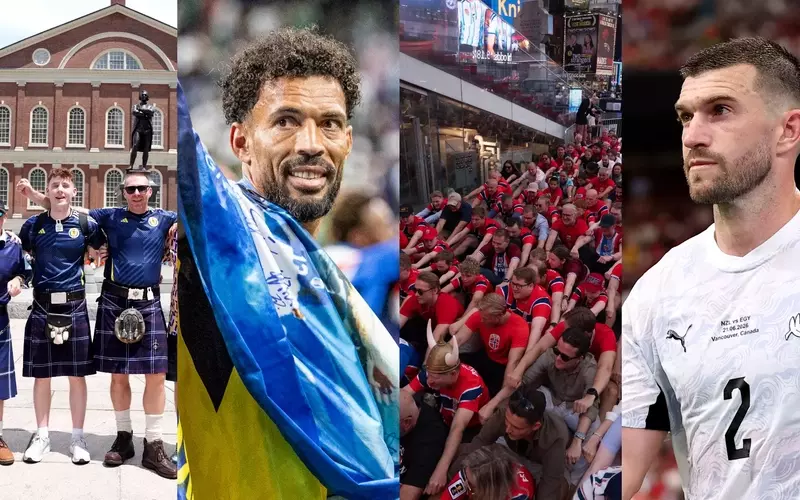
Beyond culinary curiosities, the tournament has birthed several internet celebrities. New Zealand defender Tim Payne, initially the least-followed player on Instagram, became a viral sensation after an Argentine influencer challenged followers to boost his profile, skyrocketing his follower count to millions before he even played. Similarly, Cape Verde's 40-year-old goalkeeper, Vozinha, saw his Instagram following explode from thousands to over 15 million after a heroic draw against Spain, making him a symbol of the tournament's fairy tale narrative. Even Jesse Marsch, the American coach for Canada, became a meme master with his distinctive goal celebrations and inspirational speeches, resonating deeply with fans. These instances illustrate how individuals, through their authenticity and unexpected impact, can capture the global imagination and redefine what it means to be a 'winner' in the digital age, regardless of their team's ultimate success.
Legends and Legacies: Shifting Fortunes and Fanatical Fervor
The 2026 World Cup has been a stage for both the reaffirmation of legendary status and the scrutiny of established icons, alongside the vibrant display of passionate fan cultures. Lionel Messi, at 40, defied expectations, showcasing his enduring brilliance by breaking all-time goal records in his opening matches, cementing his status as a footballing legend. His exceptional performance underlined that age is merely a number when talent and determination are paramount, providing a compelling counter-narrative to the idea of a player's twilight years. This World Cup, therefore, served as a powerful testament to his sustained dominance and unparalleled skill on the global stage.
In contrast, Cristiano Ronaldo, despite making history by scoring in six consecutive World Cups, faced considerable criticism for what many perceived as lackluster performances in Portugal's key matches. This stark difference in public and media reception, despite both players being in the latter stages of their careers, highlighted the intense scrutiny and high expectations that accompany such iconic figures. Meanwhile, the tournament also celebrated the sheer enthusiasm of fan bases, like Scotland's "Tartan Army," whose viral videos of bagpipe-playing and dancing with opposing fans exemplified a joyous, celebratory spirit despite their team's early exit. Similarly, Norwegian fans' 'Viking Ship' routine in Times Square became an internet sensation, showcasing how fan culture can create unforgettable moments that transcend team performance. Even controversial elements like hydration breaks drew widespread ire, underscoring the deep connection fans have with the continuous flow and tradition of the game, demonstrating that the World Cup's narrative is shaped not just by the players, but also by the collective emotional investment of its global audience.