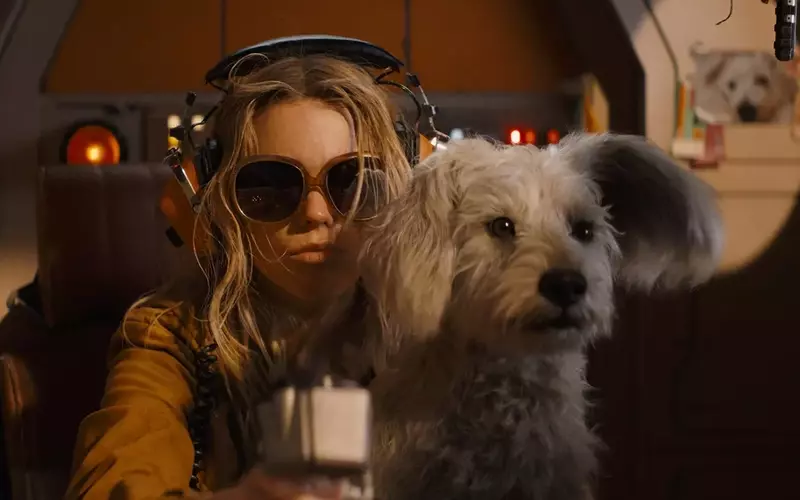

"Supergirl" experienced significant hurdles during its production, particularly concerning creative alignment between director Craig Gillespie and DC Studios' leadership, James Gunn and Peter Safran. This internal discord was evident as early as March, when differing versions of the film underwent testing, revealing notable variations in audience reception. This situation presented a critical challenge for DC, as "Supergirl" was intended to demonstrate the studio's ability to succeed with projects beyond those directly handled by Gunn, following the inaugural success of "Superman."
The film's ultimate box office performance fell short of expectations, grossing only $37.1 million on its opening weekend. This disappointing outcome sparked extensive debate regarding the reasons behind its failure, including casting choices, directorial vision, market saturation for superhero films, and release timing. Multiple sources indicated that creative differences between Gunn and Gillespie were a core issue, leading to a fragmented post-production process. Test screenings consistently yielded scores in the 60s, with a peak of 70, reflecting ongoing struggles to refine the film.
By late 2025, after an initial test screening showed lukewarm results, the studio assumed greater control over post-production. They engaged writer Jeremy Slater, a frequent collaborator with Gunn, to assist, particularly with scenes requiring reshoots and adjustments to the climactic battle. Music emerged as another point of contention, with Gunn's preferred song choice for a key sequence eventually being replaced. The film ultimately went through at least four test screenings, and in a decisive move, the studio mandated a "bake-off" between Gillespie's and their own cut. Although the studio's version narrowly edged out Gillespie's in test scores, the overall reception remained subdued, underscoring the deep-seated issues that plagued the production of "Supergirl."
The struggles of "Supergirl" underscore the complexities inherent in large-scale film productions, where artistic vision must converge with studio strategy. While creative differences are a natural part of the filmmaking process, they can significantly impact a project's coherence and reception if not effectively managed. The film's underperformance, coupled with changing audience preferences for superhero narratives, highlights the imperative for studios to adapt and innovate, fostering collaboration and clear communication to deliver compelling cinematic experiences.